
Reviewed · SUSHI EXPERIENCES
Tokyo Sushi Making Class : Sake Ceremony & Matcha Experience
Opening a sake barrel with a group chant is an unusual way to begin a sushi lesson. At Sushi Meets Matcha, you join the Yoisho cheer, make nigiri under step-by-step instruction, torch a salmon mayo gunkan, and finish with your own bowl of matcha.
I like the mix of hands-on skills and Japanese custom. I also like the clear rhythm of the 90-minute session: a festive start, focused sushi practice, a playful modern bite, then a quiet tea finish. The current rating is 5 out of 5 from 48 reviews, with a 100 percent recommendation rate, and one especially strong point is the instructor’s warm, welcoming approach.
The main consideration is the fixed format. You are in a group of up to 20 people, and the experience covers several activities in a short time. If you want a long, technical sushi course, this will feel brief. If you want an easy, social introduction to sushi, sake customs, and matcha, the pace makes good sense.
In This Review
- Key points at a glance
- Why the Asakusa setting works well
- Starting with kagami-biraki and a shared toast
- Learning the basic shape of nigiri
- The playful modern turn: torched salmon mayo gunkan
- Making matcha as the calm finish
- What the 90-minute schedule means for you
- Group size, atmosphere, and instructor style
- Is the $45.77 price good value?
- Who should book this class
- Practical details before you reserve
- My booking verdict
- FAQ
- Where does the Tokyo sushi-making class take place?
- Where does the activity end?
- How long does the experience last?
- How much does the class cost?
- How many people can join the class?
- Is the class suitable for beginners?
- How many sushi pieces will I make?
- Do I have to drink sake?
- Can I cancel for a full refund?
Key points at a glance
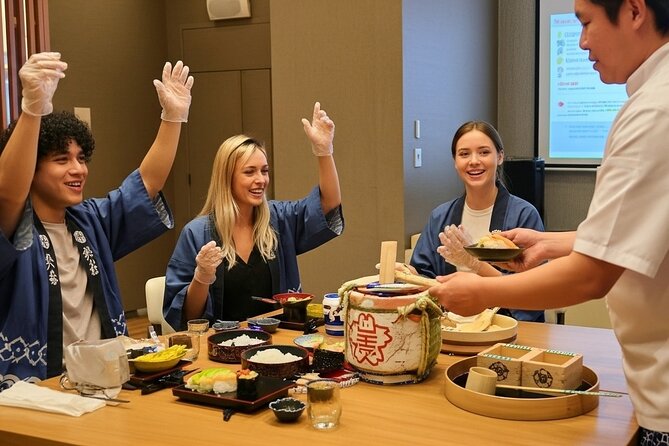
- Kagami-biraki begins the class: Help open a sake barrel and join the Yoisho chant for a traditional group toast.
- You make 6 to 12 sushi pieces: The class includes nigiri and rolls, with guidance on rice shape, toppings, and presentation.
- Torch your own salmon mayo gunkan: This modern Tokyo-style bite adds a smoky finish and a playful photo moment.
- Alcohol is optional: Choose sake, water, or warm Japanese tea for the opening toast.
- Matcha closes the session: Whisk your own bowl and learn how to create a smooth, foamy drink.
- The location is convenient: The class starts and ends at 1-chōme-10-16 Hanakawado in Asakusa, near public transportation.
Why the Asakusa setting works well
Asakusa is a natural place for a short introduction to Japanese food customs. You are not being taken far outside Tokyo for an isolated cooking lesson. Instead, the class sits in one of the city’s best-known sightseeing areas, making it easy to pair with time in the neighborhood.
The meeting point is Sushi Meets Matcha, at 1-chōme-10-16 Hanakawado, Taito City, Tokyo 111-0033. The activity ends at the same place, which keeps the logistics simple. You can plan the class before or after exploring Asakusa without needing to arrange a second pickup point.
The exact route from the nearest station is not provided, but the venue is described as being near public transportation. I would still allow a little extra time to find the entrance, especially if you are moving through Asakusa at a busy part of the day. Your mobile ticket is accepted, and confirmation arrives when you book.
More tea rooms worth booking:
- Matcha Making Class in Tokyo with Authentic Japanese Sweets Set
★ 5.0 · 744 reviews - Tokyo: Traditional Tea Ceremony with a Tea Master
★ 5.0 · 528 reviews - Tokyo: Matcha Making Experience with Mochi Sweets in Asakusa
★ 4.9 · 388 reviews
Starting with kagami-biraki and a shared toast
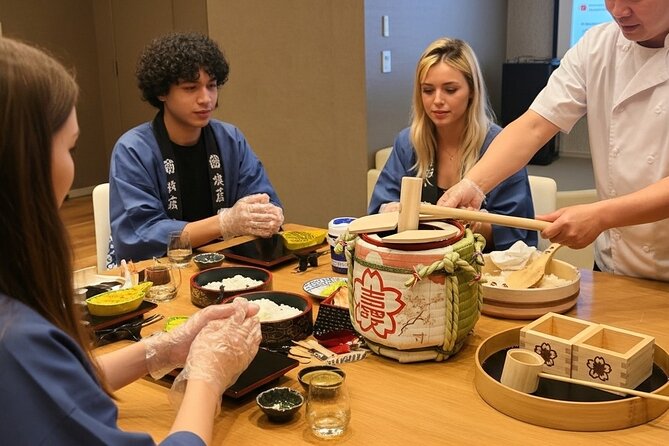
The first part is not a cooking demonstration. It is a small cultural ceremony called kagami-biraki, the opening of a sake barrel to mark a new beginning or celebration.
You take part in the barrel opening and join the group chant, Yoisho, yoisho, yoisho. The moment is meant to be cheerful and communal rather than formal. That makes it a good icebreaker if you arrive alone or are meeting other people in the class for the first time.
You can drink sake during the toast, but you do not have to. Water or warm Japanese tea is available as a non-alcohol option. This matters for several kinds of visitors: people who do not drink, anyone taking an afternoon class before more sightseeing, and families or mixed-age groups who want to join the ritual without alcohol.
I like this opening because it gives the class a sense of occasion. Many food lessons begin with ingredients and equipment. Here, you first get a brief look at how food and drink can also carry social meaning in Japan.
Do not expect a long explanation of sake production or barrel-making. The provided format points to a quick opening ceremony, not a dedicated sake tasting. Its value is the shared action and the cheerful start.
Learning the basic shape of nigiri
After the toast, the class turns to the central skill: making sushi. The focus is on nigiri, the hand-shaped sushi made with rice and a topping placed over it.
You learn how to shape the rice with the right amount of pressure. That detail matters. Press too hard and the rice becomes dense. Use too little pressure and the piece may fall apart before it reaches the plate. The class also covers handling toppings and placing fish cleanly.
This is a sensible level for beginners. You are not expected to know how to make sushi before arriving. The instruction is step by step, and the goal is to leave with a few repeatable techniques rather than a professional sushi chef’s full skill set.
I would pay attention to hand position and pressure more than perfect appearance. Sushi made at home often fails because the rice is packed too tightly or the topping slips. A short guided class can give you the feel of the process, even if your first pieces look a little uneven.
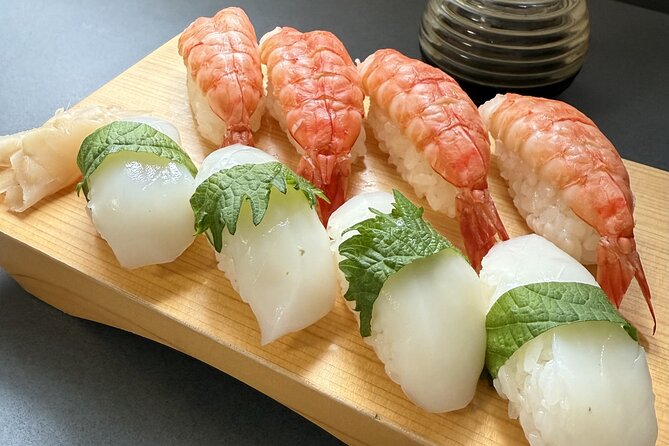
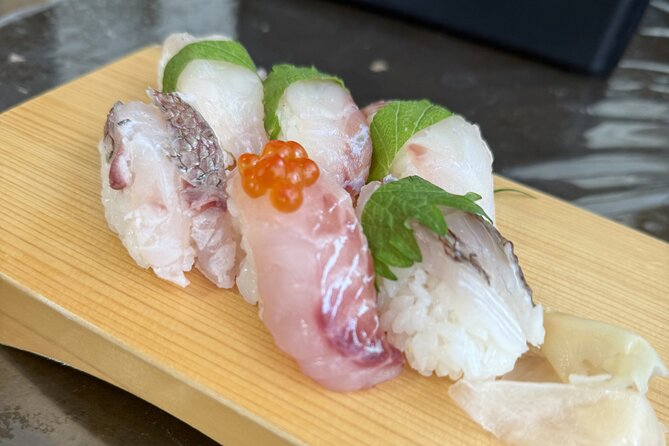
The class includes nigiri and rolls, with a total of about 6 to 12 pieces. The range likely depends on the pace of the group and the pieces you make. That is enough for a satisfying tasting and a useful practice session, but it is not a full meal for everyone.
The presentation also has a practical benefit. You get to see how a finished piece should look before trying to repeat it. For many people, that visual target is easier to follow than a recipe alone.
The playful modern turn: torched salmon mayo gunkan
The most theatrical food moment is the torched salmon mayo gunkan. This is not presented as classic Edomae sushi. It is a modern Tokyo-style combination built for a bold, familiar flavor.
You pile salmon high, add a zigzag of mayonnaise, and finish the piece with a quick torch. The heat gives the topping a smoky note, while the mayonnaise adds creaminess. The result is designed to be rich and immediately appealing, rather than restrained.
The group chants Wasshoi three times during this part. Photos are taken at the best moment, likely around the torching and final presentation. If you enjoy food photos, this gives the class a clear highlight. If you prefer a quiet, traditional lesson, the chant and camera moment may feel a little staged.
That contrast is useful to understand before booking. The class is not trying to present one single definition of Japanese sushi. It places basic nigiri technique beside a modern, playful creation. You get a taste of both the careful side of sushi-making and the kind of bold topping that appears at popular contemporary sushi spots.
I like this pairing because it keeps the session from becoming overly serious. You practice precision with nigiri, then get a more relaxed piece where the fun is part of the point.
More sake and whisky sessions:
- Ramen and Sushi Cooking Class with Sake Pairing Set in Tokyo
★ 5.0 · 291 reviews - Sake Tasting Masterclass in Shinjuku (8+ Varieties with a Pro)
★ 5.0 · 271 reviews - Sake Omakase in Tokyo: Guided Tasting by Certified Sommeliers
★ 5.0 · 239 reviews - Tasting All Types of Sake with Sommelier
★ 5.0 · 151 reviews
Making matcha as the calm finish
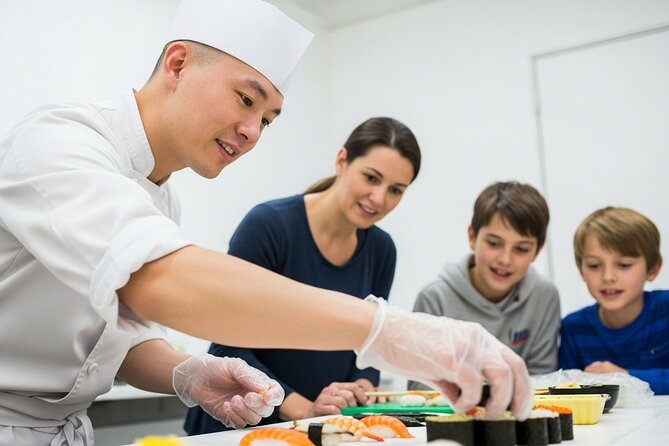
The final activity is matcha. You whisk your own bowl and learn how to create a smooth, foamy drink.
This is a fitting change of pace after the group energy of the sake opening and the torching session. Matcha preparation rewards a steady hand and a little patience. The focus is not just on drinking tea, but on taking part in the preparation.
The supplied details do not name the instructor or describe a long tea ceremony, so you should expect a simple matcha-making lesson rather than a formal ceremony with extensive etiquette. That is probably the right scope for a 90-minute food class. You get to handle the whisk and enjoy the result without spending the rest of your afternoon on tea procedure.
The matcha also gives the session a clean ending. Sushi can be rich, especially with salmon and mayonnaise. A warm, freshly whisked bowl provides a quieter final taste and gives you one more skill to try at home.
What the 90-minute schedule means for you
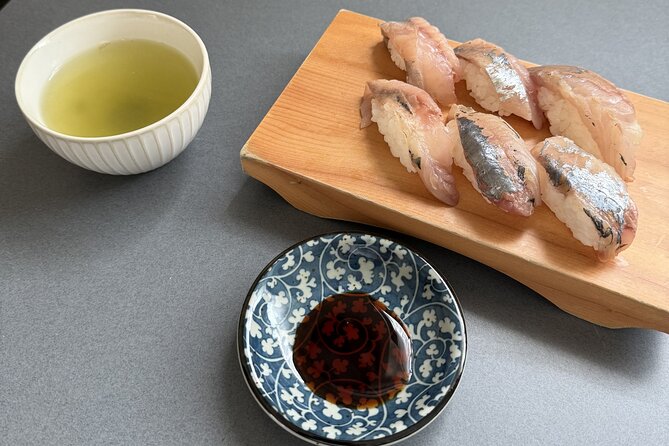
An hour and a half is long enough to include several distinct activities, but short enough to fit into a sightseeing day. The session has a clear sequence:
- Kagami-biraki and the group toast
- Nigiri and roll-making instruction
- Torched salmon mayo gunkan
- Matcha whisking and tasting
The benefit is variety. You are unlikely to feel stuck doing the same task for the entire class. Each part has a different mood and skill, from group celebration to careful shaping, then from torch work to quiet tea preparation.
The trade-off is depth. You will not receive an advanced lesson in fish cutting, rice seasoning, knife technique, or professional sushi service. None of those are listed as part of the session. The emphasis is on assembling sushi and taking part in a few recognizable Japanese customs.
For a first visit to Tokyo, that balance works well. You can experience several food traditions without giving up half a day. For someone already comfortable making nigiri, the class may be more about the ceremony, the social setting, and the torch technique than about new technical knowledge.
Group size, atmosphere, and instructor style
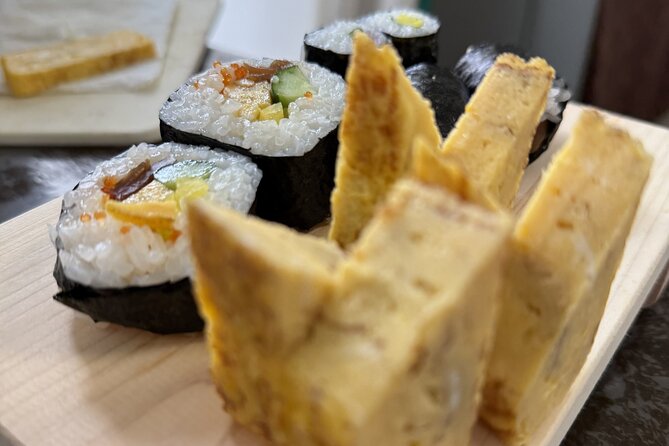
The maximum group size is 20 people. That is large enough for a social class, though it is not an intimate private lesson.
The most useful clue about the teaching style is the strong praise for the instructor being fun, welcoming, and willing to go beyond the basic program. No guide names are provided, so I cannot tell you which instructor will lead your session. Still, the format clearly depends on an upbeat teacher who can keep the group moving while helping beginners with their rice and toppings.
A group of 20 can create a lively atmosphere during the chants and photos. It can also mean that individual correction is limited compared with a one-on-one class. If you need close coaching at every stage, keep that in mind. If you enjoy learning beside other people and do not mind a little group energy, the size should suit you.
The class is described as beginner-friendly. That is important because sushi can look simple while requiring delicate handling. You should arrive ready to follow instructions rather than expecting to improvise from the beginning.
Is the $45.77 price good value?
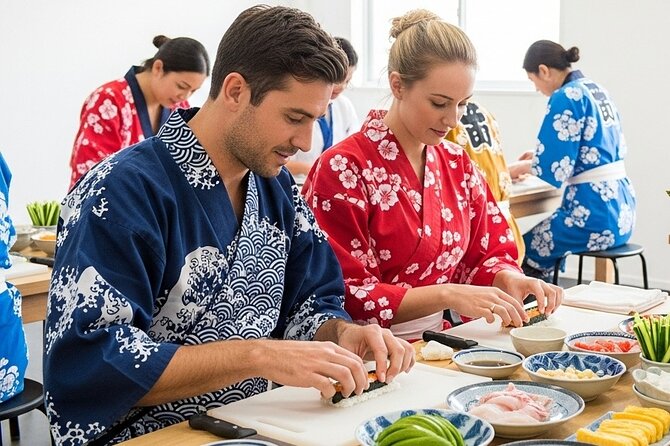
At $45.77 per person, the price is reasonable for a 90-minute Tokyo activity that combines food preparation, tasting, a sake-barrel ceremony, and matcha. You are paying for more than the sushi ingredients. The instruction, shared ceremony, guided torch moment, and tea preparation all form part of the value.
The number of pieces is about 6 to 12, including nigiri and rolls. If you judge the cost only by how much food you eat, this may not replace lunch or dinner. The better comparison is with a short cultural workshop that also gives you something to do and a skill to take home.
The price makes the most sense for you if you value variety and participation. You make the food, take part in the chants, and whisk the matcha yourself. It is less suitable if you are mainly looking for a large sushi meal or an advanced culinary course.
The 100 percent recommendation rate and 5 out of 5 score from 48 reviews support the idea that the friendly atmosphere is a major part of the value. I would still judge the price against your own priorities. You are buying a compact experience, not a full-day cooking school.
Who should book this class
I would point this class toward first-time visitors to Tokyo, couples, families with older children, solo visitors who enjoy social activities, and anyone who wants a food lesson without committing a whole afternoon.
It also suits people who want a keepsake experience. You leave with photos, practical sushi-making knowledge, and the memory of taking part in a group sake-barrel opening. The torching and chanting add a little theater without requiring specialist cooking ability.
You may want to choose another activity if you want detailed instruction in knife work, fish preparation, sushi rice from scratch, or traditional tea ceremony etiquette. Those subjects are not part of the stated program.
The alcohol choice makes the class flexible. You can raise a sake cup or use water or warm Japanese tea, so the opening ritual does not depend on drinking.
Practical details before you reserve
The class starts and ends at Sushi Meets Matcha in Asakusa. Since there is no separate return transfer, you are free to continue sightseeing immediately afterward.
The activity accepts a mobile ticket, and booking confirmation is provided at the time of reservation. The class has a maximum of 20 people, and the experience is listed as near public transportation.
Free cancellation is available if you cancel at least 24 hours before the local start time. Changes or cancellations made within 24 hours are not accepted for a refund, so check your Tokyo schedule before committing.
I would avoid placing this class too close to a major timed attraction. The stated duration is about 90 minutes, but you still need time to find the venue and move on afterward. A relaxed gap will let you enjoy the food and ceremony instead of watching the clock.
My booking verdict
I would book this class if you want a short, cheerful introduction to Japanese food culture in Asakusa. The strongest combination is the opening kagami-biraki, beginner-friendly sushi practice, modern torched salmon bite, and matcha finish.
The main limit is its breadth. You sample several activities, but none is taught at an advanced level. At $45.77, the experience offers good value when you want participation, atmosphere, and a few useful techniques rather than a large meal or serious chef training.
Book it for the social energy and the variety. Skip it if you prefer quiet, highly traditional instruction or an in-depth sushi course.
FAQ
Where does the Tokyo sushi-making class take place?
The class takes place at Sushi Meets Matcha, 1-chōme-10-16 Hanakawado, Taito City, Tokyo 111-0033, Japan.
Where does the activity end?
The activity ends back at the meeting point at Sushi Meets Matcha.
How long does the experience last?
The experience lasts approximately 1 hour and 30 minutes.
How much does the class cost?
The listed price is $45.77 per person.
How many people can join the class?
The activity has a maximum of 20 participants.
Is the class suitable for beginners?
Yes. The experience is described as beginner-friendly and includes step-by-step guidance on shaping rice, handling toppings, and assembling sushi.
How many sushi pieces will I make?
You will create about 6 to 12 pieces, including nigiri and rolls.
Do I have to drink sake?
No. During the kagami-biraki toast, you can choose sake, water, or warm Japanese tea.
Can I cancel for a full refund?
Yes, if you cancel at least 24 hours before the experience start time. Cancellations or changes made less than 24 hours before the start time are not refunded or accepted.
More Drinking Tours in Tokyo
- Tokyo Bar Hopping Tour in Shinjuku (All-You-Can-Drink + Dinner)
★ 5.0 · 3,587 reviews - Best of Shinjuku: Izakaya Food Tour (4 Stops, 14+ Tastings)
★ 5.0 · 1,863 reviews - Tokyo: Shinjuku Local Bar and Izakaya Guided Walking Tour
★ 4.9 · 1,794 reviews - Shibuya Meltdown Nightlife Tour: All-You-Can-Drink Bar Hopping
★ 5.0 · 1,058 reviews
More Sushi Experiences
- Sushi Making Tokyo Roll and Authentic Japanese Sushi Class
★ 5.0 · 3,971 reviews - Tokyo: Roll and Authentic Sushi Making Class in Asakusa
★ 4.9 · 1,957 reviews - Make Sushi and Create Unforgettable Memories in Tokyo
★ 5.0 · 1,413 reviews - Tokyo: Sushi Making Class in a Happi Coat near a Famous Spot
★ 4.9 · 1,377 reviews
New on our Tokyo list
- Tokyo Spectacular View Day-Cruise in 90 Minutes★ 5.0 · 25 reviews
- From Tokyo: Mount Fuji & Hakone Full Day Private Tour★ 4.9 · 25 reviews
- Real Tokyo Runner Club : Daikoku Car Meet Night Tour with JDM Car★ 5.0 · 25 reviews
- 2.5 Hour-Guided Cycle Tour in the Central Tokyo★ 5.0 · 25 reviews
- Ramen Making from Scratch +Akihabara Tour –Cooking Class★ 5.0 · 25 reviews
- [Self-Drive] Tokyo & Daikoku Custom Car Driving Tour★ 4.9 · 25 reviews
- Tokyo: 2-Hour Night Bike Tour of the City’s Hidden Gems★ 4.9 · 25 reviews
- Samurai themed Entertainment show in Shinjuku★ 4.5 · 25 reviews
Sushi Experiences, compared.
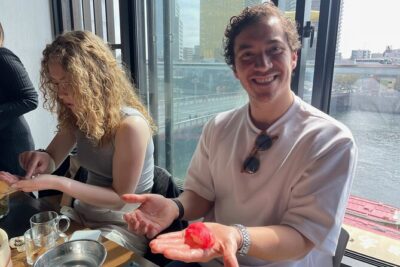
Sushi Making Tokyo Roll and Authentic Japanese Sushi Class
Read our review →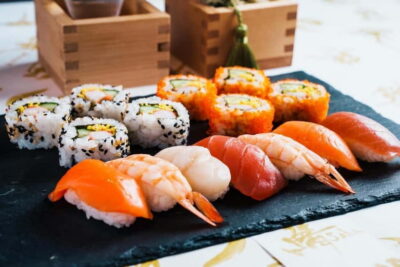
Roll and Authentic Sushi Making Class in Asakusa
Read our review →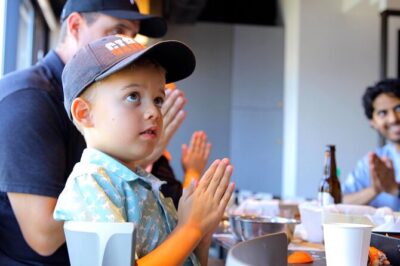
Make Sushi and Create Unforgettable Memories in Tokyo
Read our review →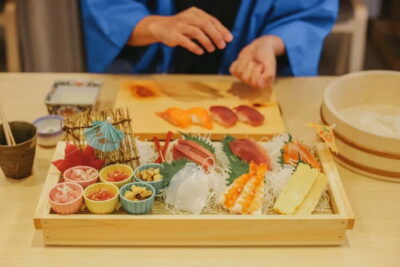
Sushi Making Class in a Happi Coat near a Famous Spot
Read our review →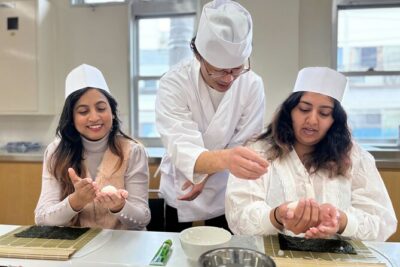
Tokyo Sushi Making Class in Tsukiji with Professional Chef
Read our review →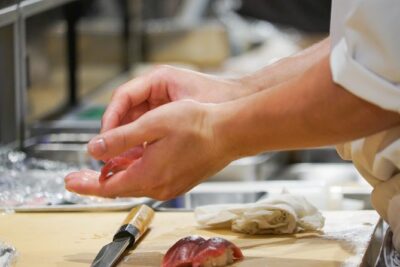
Tokyo Night Foodie Tour in Shinjuku – Seasonal Sushi, Wagyu Beef
Read our review →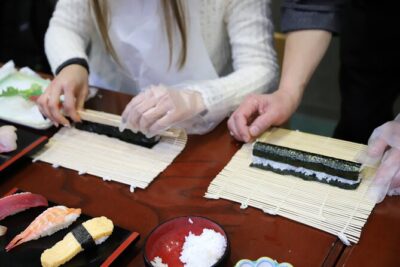
Tsukiji Fish Market Guided Tour and Sushi Making with Pro Chef
Read our review →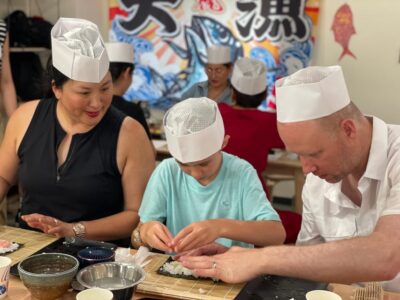
Tsukiji Fish Market Sushi Making Class with Pro Chef
Read our review →Browse the lists this tour appears in