
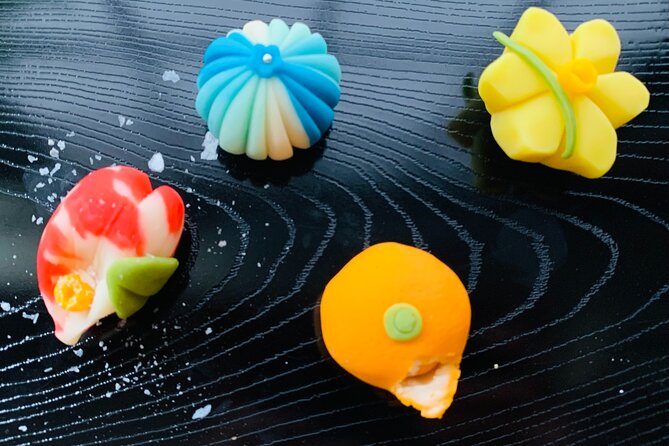
Reviewed · TEA CEREMONIES
2 Hours Mochi &Nerikiri Making & Matcha Class in Bunkyo
The most memorable part of this Bunkyo activity is not simply eating mochi. It is sitting at one table in Yuko’s Japanese home, learning how to shape several traditional sweets with her beside you. The class covers mochi, dango, and nerikiri, depending on the option you book, and includes a matcha finish.
I like two things right away: the private format, which gives you personal instruction instead of a crowded demonstration, and the fact that you learn skills you can try again at home. Yuko is bilingual, patient, and trained by the Wagashi Association of Japan, so the lesson connects technique with Japanese customs.
The main consideration is the price, $78.83 per person for about two hours. That is a fair cost for a private cultural lesson, but it is more than a large group cooking workshop. You should book it for the personal welcome and hands-on teaching, not simply for a quick snack.
In This Review
- Key points at a glance
- Why this home class feels different
- Arriving in Bunkyo at 10:00 a.m.
- Starting with tea and an introduction
- Choosing between mochi, dango, and nerikiri
- Learning from Yuko at one table
- The hands-on mochi and dango work
- Shaping nerikiri like a small work of art
- Finishing with matcha
- What $78.83 buys you
- Who will enjoy this most
- Practical booking advice
- Should you book this wagashi class?
- FAQ
- Where does the mochi and nerikiri class take place?
- What time does the activity start?
- Is this a private activity?
- Which sweets can I learn to make?
- Do I need previous Japanese cooking experience?
- Who teaches the class?
Key points at a glance
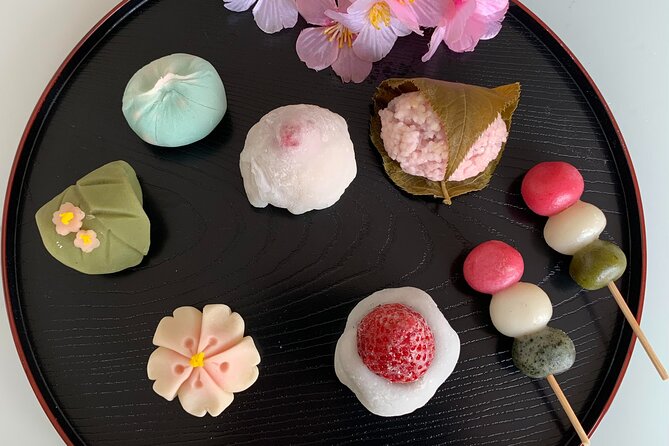
- A private lesson in Yuko’s home: Your group works at one table, making the class personal and relaxed.
- Three course choices: Select mochi and dango, nerikiri, or the combination of mochi, dango, and nerikiri.
- Bilingual instruction: Yuko teaches in English and Japanese, explaining each step and the meaning behind the sweets.
- A taste of wagashi culture: Learn how different sweets relate to New Year celebrations, special events, and tea ceremony.
- A convenient two-hour plan: The 10:00 a.m. start fits neatly into a Tokyo morning without taking your whole day.
- A central Bunkyo setting: The address is near public transportation, and the activity returns to the same meeting point.
Why this home class feels different
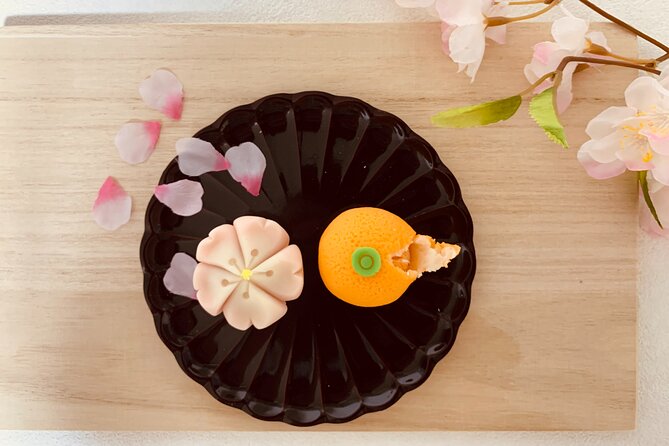
Tokyo offers plenty of food demonstrations, but this one is built around a small, personal setting. You are not watching a chef work from the back of a room. You sit with Yuko and make the sweets yourself, step by step.
That matters with wagashi, the broad Japanese term for traditional sweets. The finished pieces often look simple, but shaping them takes care. Mochi needs the right handling. Dango requires attention to form. Nerikiri is especially visual, with its fine shapes and seasonal designs.
The private setup also works well for families. One family described being welcomed into the kitchen and dining room, while another enjoyed relaxing together and taking in the view during the activity. For a parent and child, or a couple who wants a quiet shared project, this is more intimate than a standard cooking class.
Solo visitors can also fit in comfortably. You do not need to bring a partner or form a group to make the experience worthwhile. The private arrangement means Yuko can focus on your pace and answer questions as they come up.
More tea rooms worth booking:
- Matcha Making Class in Tokyo with Authentic Japanese Sweets Set
★ 5.0 · 744 reviews - Tokyo: Traditional Tea Ceremony with a Tea Master
★ 5.0 · 528 reviews - Tokyo: Matcha Making Experience with Mochi Sweets in Asakusa
★ 4.9 · 388 reviews
Arriving in Bunkyo at 10:00 a.m.
The meeting point is 1-chōme-27-8 Sekiguchi, Bunkyo City, Tokyo 112-0014. The venue is near public transportation, which makes it practical to reach from other parts of Tokyo, though you should allow time to locate a private residence in an unfamiliar neighborhood.
The activity begins at 10:00 a.m. Confirmation is provided when you book, and Yuko has contacted participants ahead of time to help them find the class. I would still save the address and allow extra time. A home class does not have the large sign or hotel lobby desk you might expect from a commercial attraction.
Once you arrive, the setting is part of the experience. You are welcomed into a Japanese home rather than a restaurant or purpose-built school. That gives the lesson a more everyday feel, with the dining area and kitchen serving as your classroom.
The class ends back at the same meeting point. This is useful when planning the rest of your day in Tokyo. You can arrange lunch or another Bunkyo visit afterward without needing to work out a separate return transfer.
Starting with tea and an introduction
The class begins with an overview of traditional Japanese sweets and their place in Japanese life. You may also start with tea before moving into the hands-on work, an inviting way to settle in at the table.
The cultural explanation is one of the class’s stronger features. You are not only learning a recipe. You hear why certain sweets are linked with particular occasions. Mochi can be associated with New Year and new beginnings. Dango appears at special events. Nerikiri is closely connected with tea ceremony.
This context helps you understand why wagashi is often treated as more than a dessert. Shape, color, and presentation matter. The sweets can mark a season or celebration, and their appearance is part of the pleasure.
The opening section should not feel like a long lecture. The class is designed for people without Japanese cooking experience, and the focus quickly moves toward making. If you prefer an activity with a strong cultural side but do not want a full-day museum tour, the balance works well.
Choosing between mochi, dango, and nerikiri
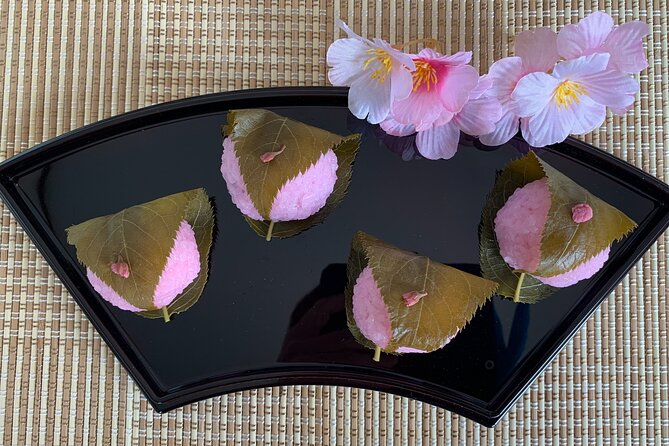
You have three course options:
- Mochi and dango
- Nerikiri
- A combination of mochi, dango, and nerikiri
The combination course offers the broadest look at wagashi. You work with several styles and see how their textures and shapes differ. It is likely the best pick if this is your main Japanese sweets activity and you want the widest range within two hours.
The mochi and dango course is a sensible choice if you are most interested in familiar Japanese treats and want to concentrate on basic shaping techniques. Mochi is soft and chewy, while dango gives you a different form and texture to work with.
The nerikiri course suits anyone drawn to the artistic side of wagashi. Nerikiri is associated with tea ceremony and is shaped into decorative designs. One participant described making different creative designs and feeling like an artist for a day. That captures the appeal, but you should also expect the fine shaping work to require patience.
The course description gives examples tied to New Year, new birth, special events, and tea ceremony. The exact designs may vary, so book the course for the process and cultural lesson rather than expecting one specific decoration.
A few more Tokyo bookings worth comparing
- Sushi Making Tokyo Roll and Authentic Japanese Sushi Class
★ 5.0 · 3,971 reviews - Tokyo: Roll and Authentic Sushi Making Class in Asakusa
★ 4.9 · 1,957 reviews - Tokyo Shinjuku Chopsticks Making Class
★ 5.0 · 1,763 reviews - Tokyo: Sushi Making Class in a Happi Coat near a Famous Spot
★ 4.9 · 1,377 reviews
Learning from Yuko at one table
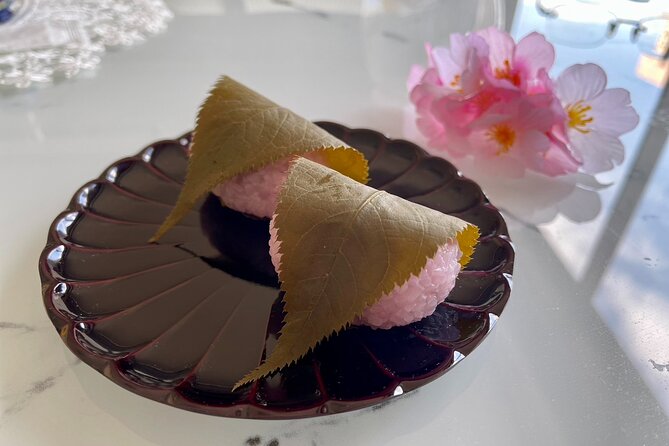
Yuko is the heart of the experience. She is a bilingual native Japanese instructor trained by the Wagashi Association of Japan, and the class is taught in a private format for your group alone.
Her teaching style is hands-on. She demonstrates each stage, then lets you copy the movement yourself. Several activities in Tokyo call themselves workshops but leave you watching most of the time. This class is different in that your own hands do the work.
The step-by-step pace is especially useful for beginners. You do not need previous experience preparing Japanese food. Yuko explains the ingredients, shows the technique, and gives you time to repeat it. If your first shape is uneven, that is part of the fun, and personal instruction makes it easier to correct your method.
The class also allows room for conversation. It is not only a technical lesson. You can ask about the sweets, their cultural connections, and the way they are enjoyed. One participant even took notes during the class, a good idea if you want to recreate the recipes later.
The language support is important for international visitors. The experience is presented by a bilingual teacher, so you can follow the instructions and ask questions without relying only on watching hand movements.
The hands-on mochi and dango work
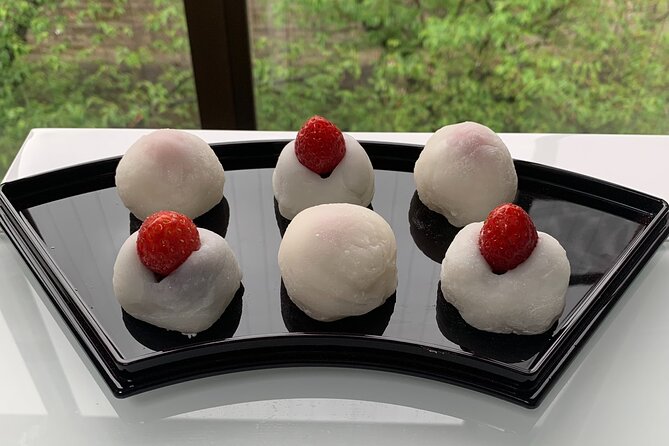
Mochi-making is the part most people picture first, and the class gives you the chance to make several types rather than simply taste one. Yuko shows you the process, then guides you as you form your own sweets.
The appeal is both practical and sensory. You learn how the mixture behaves, how much pressure to use, and how to shape it into a finished piece. The work is simple enough for a beginner, but the results still feel special because you made them yourself.
Dango adds another useful comparison. It belongs to the same broad world of Japanese sweets, but the form and handling are different. Making more than one sweet helps you see that wagashi is not one single recipe. It includes different textures, shapes, occasions, and presentation styles.
This is also where the private format pays off. In a large class, you might lose sight of a demonstration or hesitate to ask for help. At one table, Yuko can watch what you are doing and offer corrections as you go.
You should expect the activity to be neat and focused, not a fast-paced cooking competition. The aim is to understand the craft and enjoy the process. If you want a substantial meal, this is not the right booking. It is a sweets lesson with tasting, not lunch.
Shaping nerikiri like a small work of art
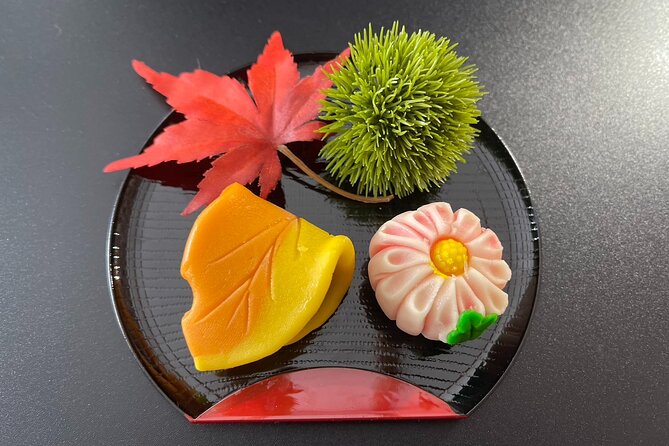
Nerikiri is likely to be the most visually rewarding part of the class. These sweets are connected with tea ceremony and are shaped with care, often into decorative forms.
You will learn how a simple portion of sweet dough can become something much more expressive through color and form. The class gives you a chance to make your own designs, with Yuko demonstrating the movements before you try them.
Do not worry if your first piece looks less precise than the teacher’s. That contrast is normal. Yuko’s skill comes from training and practice, while you are learning in a short class. The point is to understand the technique and leave with something you shaped yourself.
Nerikiri also makes this a strong option for anyone interested in Japanese aesthetics. The dessert is meant to be looked at as well as eaten. You begin to notice the relationship between food, season, ceremony, and presentation.
If you are choosing only one course, think about your interests. Pick mochi and dango for a more familiar, texture-focused introduction. Pick nerikiri if you enjoy crafts, design, and the visual side of Japanese culture. Pick the combination if you want to sample the widest selection.
Finishing with matcha
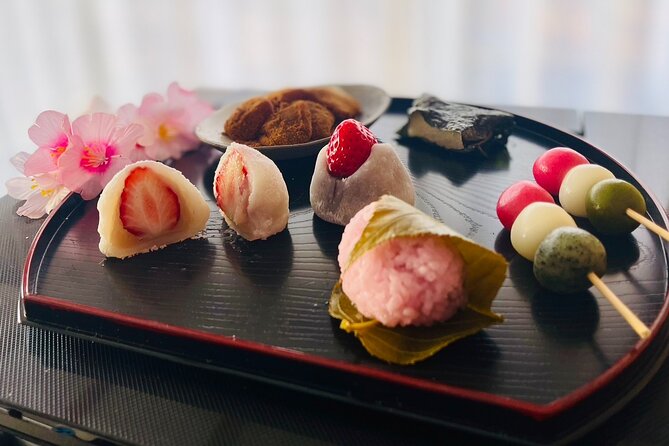
Matcha gives the class a proper closing note. After making the sweets, you finish with matcha and enjoy the connection between wagashi and tea ceremony.
This pairing is not random. Traditional Japanese sweets are often served with matcha because the sweet taste balances the tea’s strong, grassy bitterness. Even if you are new to matcha, tasting it alongside sweets makes the relationship easier to understand.
The tea also slows the experience down. After concentrating on shaping and forming, you have time to sit at the table and enjoy what you made. One participant specifically appreciated the tea ceremony element, and it adds cultural depth without turning the activity into a formal ceremony lesson.
The class may also include sweets to take home. One participant received a takeout tray and a small goodie bag, but this should not be treated as a guaranteed inclusion unless it is confirmed when you book. The certain value is the lesson itself, plus the chance to eat the sweets made during the session.
What $78.83 buys you
At $78.83 per person, this is not a budget snack stop. You are paying for about two hours of private instruction, the home setting, ingredients, cultural explanation, hands-on practice, and matcha.
Compared with a large group class, the price makes more sense if you value attention and quiet conversation. Your group does not share the teacher with a room full of strangers. That can be important for families, couples, solo visitors, and anyone who wants to ask questions freely.
The value is also stronger if you plan to use the skill later. The recipes are described as simple enough for people without Japanese cooking experience, and the techniques can be practiced at home. You are taking away more than a tasting, even if your homemade mochi later looks a little less polished than Yuko’s.
For a family, calculate the total carefully before booking. The private format may make the cost worthwhile for a special trip, but visitors focused mainly on eating Japanese sweets can spend less elsewhere. This is a cultural activity and a lesson, not simply a dessert purchase.
The experience is commonly booked well ahead, with an average booking lead time of 38 days. That suggests you should plan early, especially if you need the 10:00 a.m. start on a particular date.
Who will enjoy this most
I would recommend this class to:
- Families looking for a calm shared activity
- Solo visitors who prefer private instruction
- Couples who enjoy food, crafts, and cultural experiences
- Beginners who want to learn a Japanese recipe without committing to a full cooking course
- Anyone curious about tea ceremony sweets and wagashi design
- Visitors with a sweet tooth who want to understand what they are eating
It is less suitable if you want a full Japanese meal, a large social class, or a flexible drop-in activity. The start time is fixed at 10:00 a.m., and the class lasts about two hours.
The home setting is also worth considering. Some people love the warmth of entering a local residence. Others prefer a formal studio or restaurant. Here, the informal atmosphere is not an extra detail. It is central to what you are booking.
Practical booking advice
The activity is offered with a mobile ticket, and confirmation arrives at booking. Keep the meeting address handy: 1-chōme-27-8 Sekiguchi, Bunkyo City, Tokyo 112-0014.
Because this is a private home class, read the arrival instructions carefully and give yourself enough time to get there. Yuko has helped participants with directions before, but Tokyo addresses can still take a little patience.
You can cancel for a full refund if you do so at least 24 hours before the 10:00 a.m. start time. Cancellations or changes made inside that 24-hour window are not refunded or accepted, and the cut-off follows Tokyo local time.
Should you book this wagashi class?
Book it if you want personal teaching, a genuine home setting, and a small taste of Japanese culture that you can continue at home. Yuko’s patient, friendly instruction is the main reason this works so well, while the choice of three course styles lets you match the activity to your interests.
I especially like it for families and solo visitors. The two-hour length is easy to fit into a Tokyo itinerary, and the private table keeps the experience relaxed. Just remember what you are buying: not a meal and not a quick demonstration, but a hands-on wagashi lesson at $78.83 per person.
If that sounds like the kind of morning you want, this is a strong Bunkyo choice.
FAQ
Where does the mochi and nerikiri class take place?
The class takes place at 1-chōme-27-8 Sekiguchi, Bunkyo City, Tokyo 112-0014, Japan. The venue is near public transportation.
What time does the activity start?
The class starts at 10:00 a.m. and lasts about two hours.
Is this a private activity?
Yes. Only your group participates, and the activity ends back at the meeting point.
Which sweets can I learn to make?
You can choose a mochi and dango course, a nerikiri course, or a combination course covering mochi, dango, and nerikiri.
Do I need previous Japanese cooking experience?
No. The recipes are described as simple enough for beginners, and the instructor provides step-by-step guidance.
Who teaches the class?
The class is taught by Yuko, a bilingual native Japanese instructor trained by the Wagashi Association of Japan.
More 2-Hour Experiences in Tokyo
- Ninja Samurai 2-hour hands-on lesson by Japanese master in Tokyo
★ 5.0 · 194 reviews - Tokyo 2-Hour Genuine Samurai Experience: Kendo in Japan
★ 5.0 · 112 reviews - Tokyo: Flagship 2-Hour Street Go-Kart Tour by Street Kart
★ 4.9 · 94 reviews - Tokyo: Shinjuku Izakaya and Golden Gai Bar Hopping Tour (2h)
★ 4.9 · 67 reviews
New on our Tokyo list
- Sumi-e Experience in a relaxing green tea shop in Tokyo★ 5.0 · 3 reviews
- Tokyo : Kamikaze Street Drift Ride★ 5.0 · 3 reviews
- Private Zen Meditation in English in Shinjuku, Tokyo★ 5.0 · 3 reviews
- Onsen Spa in Tokyo and Asakusa Bar Hopping with Local Guide★ 5.0 · 3 reviews
- Easy for everyone! Now you can play handmade mini shamisen and show off to everyone! Musical instruments, sweets and live music★ 5.0 · 3 reviews
- Tokyo: Private Tsukiji Street Food & Sake with Local Guide★ 5.0 · 3 reviews
- Mt Fuji Exploration Tour with Free Japanese Kusa Mochi from Tokyo★ 4.5 · 3 reviews
- Tokyo Tsukiji Fish Market Walking and Exploring Hidden Gems Tour★ 5.0 · 3 reviews
Tea Ceremonies, compared.
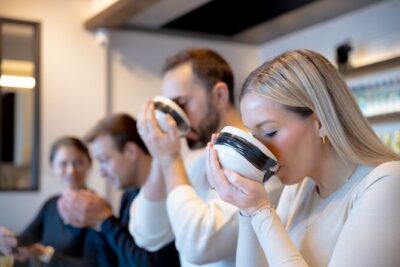
Matcha Making Class in Tokyo with Authentic Japanese Sweets Set
Read our review →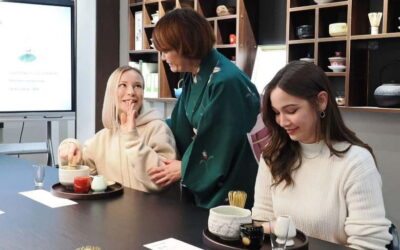
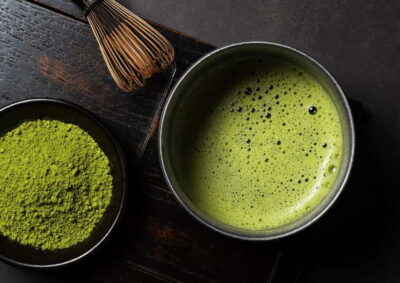
Matcha Making Experience with Mochi Sweets in Asakusa
Read our review →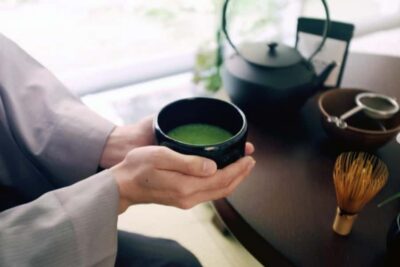
Tea Ceremony Workshop in Tokyo by the Experienced Instrucor
Read our review →

Make Traditional Nerikiri Sweets & Matcha experience in Shibuya
Read our review →Browse the lists this tour appears in