
Reviewed · JAPANESE COOKING CLASSES
AKEMI’s SUSHiKiTCHEN: A fun sushi cooking lesson in Tokyo
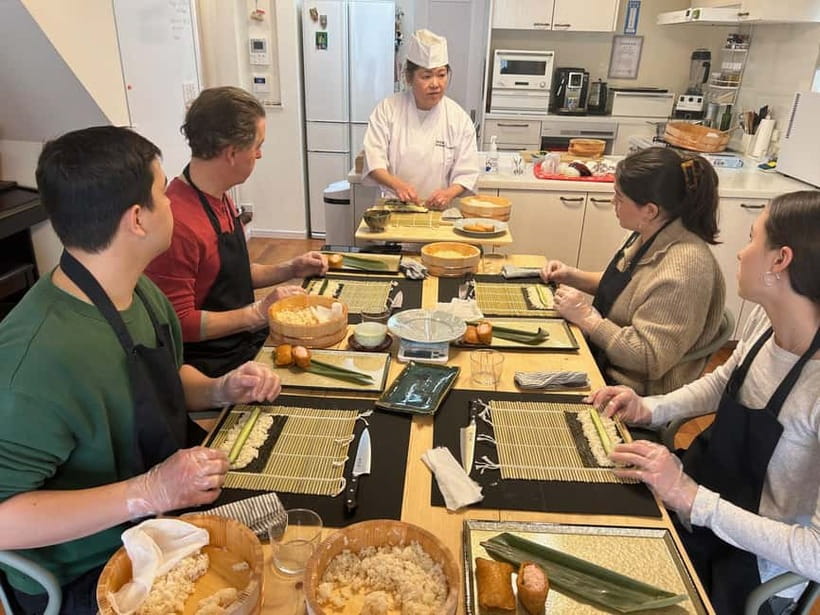
AKEMI’s SUSHiKiTCHEN takes you out of the restaurant and into a Japanese home, where trained sushi chef Akemi Castellano teaches four classic styles from the ground up. You prepare the vinegar rice, watch a fish-preparation demonstration, shape the sushi, then sit down to eat your own work.
I like the small group of six, which gives the lesson a personal feel, and I like the practical route from Shinjuku or Shibuya to a quiet neighborhood home. Akemi and her husband Dan also add warm hospitality, with welcome drinks, sake for adults, dessert, and matcha tea included.
The main limitation is the fixed menu. You cannot choose which sushi styles you will make, and the kitchen cannot accommodate food or animal allergies. Children under 10 are not accepted, so this is best for older children, couples, families, and adults who want more than a quick sushi meal.
In This Review
- Key points to know before booking
- A sushi lesson inside Akemi’s Tokyo home
- Getting there from Shinjuku or Shibuya
- Starting with vinegar rice and sushi culture
- Four sushi styles, four different techniques
- Nigiri-zushi
- Maki-zushi
- Gunkan, or battleship sushi
- Inari sushi
- Seeing how fish is prepared for sushi
- Turning your work into lunch or dinner
- The welcome makes the home setting work
- Is $103 good value for three hours?
- Who will enjoy this class most?
- Practical booking advice for your Tokyo day
- Should you book AKEMI’s SUSHiKiTCHEN?
- FAQ
- Where does AKEMI’s SUSHiKiTCHEN take place?
- How long does the sushi lesson last?
- Which types of sushi will I make?
- Is a meal included?
- Is the class taught in English?
- How many people can join?
- Can I request vegetarian food?
- Can the kitchen accommodate food or animal allergies?
Key points to know before booking
- Four sushi styles in one lesson: Make inari, gunkan, maki-sushi, and traditional nigiri.
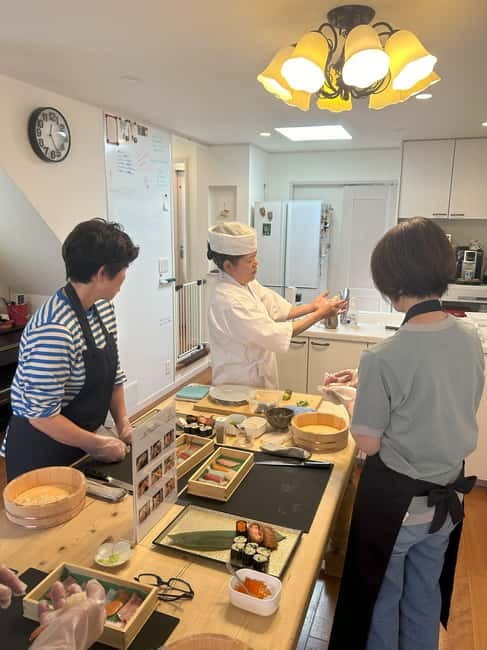
- A real home setting: The lesson takes place in Akemi’s house, not a commercial cooking school.
- Three hours with food included: Your sushi becomes lunch or dinner, with Japanese sake and dessert.
- Easy access from Tokyo’s west-side hubs: The home is reachable from Shinjuku and Shibuya, followed by about a 10-minute neighborhood walk.
- Personal instruction: Akemi teaches in English and Japanese, and the group is limited to six people.
- Check dietary needs carefully: A vegetarian menu is available, but food and animal allergies cannot be accommodated.
A sushi lesson inside Akemi’s Tokyo home
The setting is the heart of this experience. Instead of sitting at a counter while a chef works in front of you, you enter a Japanese family home and take part in the preparation. That changes the pace. It feels less like a performance and more like being invited into someone’s kitchen.
Akemi Castellano leads the lesson, with Dan helping create the welcoming atmosphere. Their teamwork is part of the appeal. The warm reception, clear English, and personal attention make the class suitable even if you have never handled sushi rice or shaped nigiri before.
The group limit of six matters. Sushi is precise work, and small details can make the difference between a tidy piece and a rice mound with seafood sliding off the top. In a large class, you might spend much of the time watching. Here, you have a better chance to ask questions and get a small correction when your technique needs it.
You should expect a friendly, informal environment rather than a formal chef-training course. The goal is to understand the food and learn techniques you can try again, not to earn a professional qualification.
More sushi mornings and classes:
- Sushi Making Tokyo Roll and Authentic Japanese Sushi Class
★ 5.0 · 3,971 reviews - Tokyo: Roll and Authentic Sushi Making Class in Asakusa
★ 4.9 · 1,957 reviews - Make Sushi and Create Unforgettable Memories in Tokyo
★ 5.0 · 1,413 reviews
Getting there from Shinjuku or Shibuya
AKEMI’s SUSHiKiTCHEN is in Tokyo, on Honshu, with access from two of the city’s most useful transport hubs: Shinjuku and Shibuya. Many people use Google Maps to find the house on their own. The walk from the nearest station takes about 10 minutes through a pleasant residential neighborhood.
If you prefer not to manage the final approach, ask to be met at the nearest train station. This is a sensible choice if you are carrying luggage, arriving after a long day of sightseeing, or feeling unsure about finding a private home in Tokyo’s maze of side streets.
Allow enough time to reach the area. A home cooking class is less forgiving than a museum entrance: arriving late can mean missing the rice preparation or the fish demonstration. Check the available start time when booking and plan to arrive near the station with a little breathing room.
The morning option leads into lunch. The afternoon option leads into dinner. Both use the same three-hour format, so choose based on your day rather than expecting a different menu.
Starting with vinegar rice and sushi culture
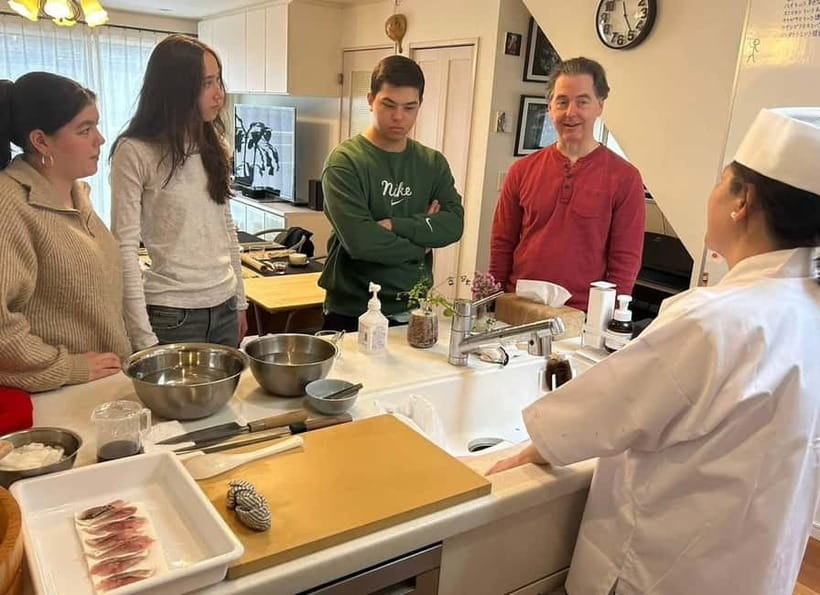
The lesson begins with the foundation of sushi: rice. Akemi explains how vinegar rice is prepared, and this is more important than it may sound. Sushi rice is not simply ordinary cooked rice with fish placed on top. Its seasoning, texture, and temperature affect how the finished piece tastes and holds together.
You learn about the rice and vinegar before moving to the four sushi forms. That sequence gives the meal some context. It also helps you understand why a simple-looking piece of nigiri takes practice. The rice must hold its shape without becoming heavy, wet, or tightly packed.
Akemi also discusses Japanese food culture and the history of sushi, including Edo-style sushi. This adds useful background without taking the lesson away from the hands-on work. You learn not only what to do, but why these forms developed and how they fit into Japanese eating traditions.
I especially like this part for anyone who already enjoys sushi. A restaurant meal can leave you admiring the result. Preparing the rice yourself gives you a better sense of the balance behind it.
Four sushi styles, four different techniques
The fixed menu includes four distinct types of sushi. You do not select the lineup, but the set gives you a broad introduction rather than repeating one easy technique.
More cooking classes in Tokyo:
- Ramen & Gyoza Cooking Class in Tokyo with Local Supermarket Visit
★ 5.0 · 823 reviews - Tokyo: Easy Ramen Cooking Experience in Kabukicho, Shinjuku
★ 4.6 · 321 reviews - Ramen and Sushi Cooking Class with Sake Pairing Set in Tokyo
★ 5.0 · 291 reviews - Tokyo: Wagyu and 7 Japanese Dishes Cooking Class
★ 4.9 · 273 reviews
Nigiri-zushi
Nigiri is the familiar hand-pressed sushi: a small piece of seasoned rice topped with seafood. It looks simple, but it requires control. You learn how much rice to use, how to shape it, and how to place the topping without crushing the rice.
This is likely the most demanding form for a first-time maker. It is also one of the most useful techniques to learn because nigiri depends on touch and proportion more than equipment.
Maki-zushi
Maki-sushi is rolled sushi. You work with the fillings and the outer wrapping, then cut the roll into pieces. The rolling step rewards a steady hand. Too much filling makes the roll difficult to close, while too much pressure can squeeze out the contents.
Maki is often the style people recognize most easily, but making a neat roll still takes instruction. Akemi’s demonstration gives you a clear model before you try it yourself.
Gunkan, or battleship sushi
Gunkan sushi uses a strip of nori to form a small wall around the rice. The shape resembles a little boat or battleship, which explains the name. It is useful for toppings that would not sit neatly on ordinary nigiri.
This style adds variety to the lesson. You are not simply repeating the same rice-and-seafood arrangement four times. Each piece presents a different problem in shaping, wrapping, or topping.
Inari sushi
Inari consists of seasoned rice tucked into fried tofu pockets. It is a gentle surprise for anyone who thinks sushi always means raw fish. The sweet-savory tofu and soft rice create a completely different bite.
The vegetarian option makes inari especially relevant, though you should still state your preference when you book. The set menu means you cannot replace individual items at will, so ask about the vegetarian arrangement in advance if it matters to you.
Seeing how fish is prepared for sushi
A fish-preparation demonstration is included before or during the making process. The available details do not specify every fish or cutting technique, so you should not book expecting a full professional fish-filleting course. The point is to show how seafood is handled for sushi and connect the ingredient to the finished piece.
This is valuable because sushi is often presented as a polished final product. Here, you get a look at the preparation that happens before the rice and topping meet. Akemi also emphasizes carefully selected ingredients, including the rice, vinegar, and seafood neta, the Japanese term for sushi toppings.
That attention to ingredients helps explain why sushi can taste delicate rather than merely raw or salty. The rice, seasoning, seafood, and proportions all have a job. You come away with a better eye for what you are eating at a sushi counter.
Turning your work into lunch or dinner
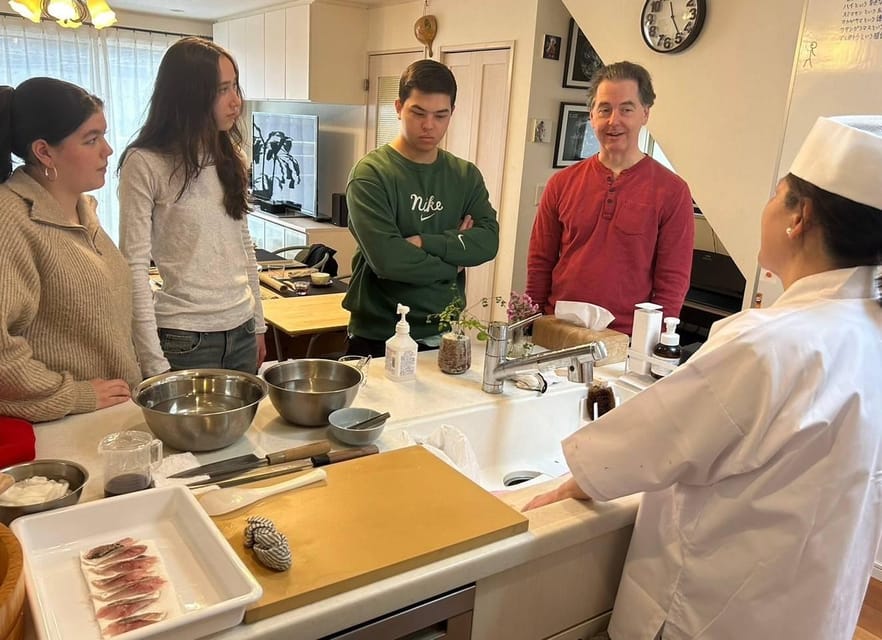
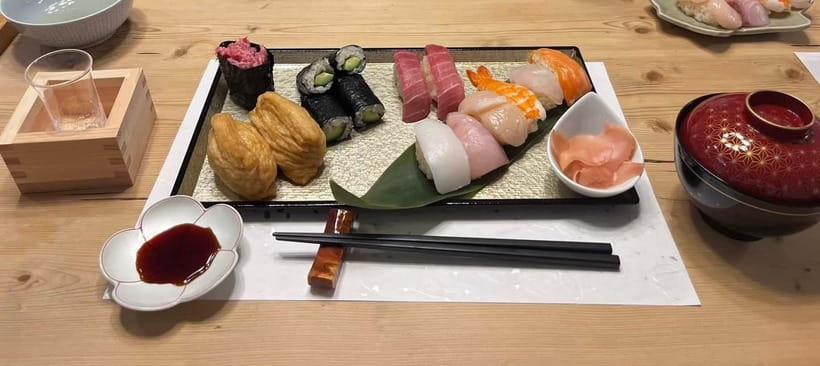
The final meal is not a sample plate prepared by someone else. You eat the sushi you have made during the lesson. That gives the activity a satisfying arc: instruction, practice, correction, and a meal.
A Japanese sake pairing is included, along with dessert. Matcha tea and additional drinks have also been part of the hospitality, and families have received nonalcoholic drinks for children. Since the activity does not accept children under 10, those details are most relevant to older family groups and mixed-age parties within the age rule.
The meal is a good reason to choose the timing carefully. A morning class provides lunch after the work is done, while an afternoon class provides dinner. I would avoid scheduling a major restaurant reservation too close afterward. The lesson lasts three hours, and the social meal is part of the experience rather than a quick final bite.
Do not expect to choose every piece on the plate. The set menu is designed to teach the planned four styles, so the value comes from variety and instruction rather than personal menu control.
The welcome makes the home setting work
A private-home activity can sometimes feel awkward at the start. Here, the hosts make an effort to ease you in. A welcome drink, including sakura-flavored hospitality in at least one session, sets a relaxed tone before the cooking begins.
Akemi is described as smiling, patient, and attentive to each person’s needs. That matters when the group includes people with different cooking experience. One person may need help with rice proportions, while another may want more background on Edo sushi or Japanese dining customs.
English and Japanese are offered for instruction. English-speaking visitors can follow the lesson without needing to know Japanese cooking terms beforehand, though you will naturally pick up useful vocabulary such as nigiri, maki, gunkan, inari, and neta.
The atmosphere is warm, but it is still wise to remember that you are visiting someone’s home. This is not a loud, drop-in food attraction. It is a small shared activity with a personal host, so the best fit is someone comfortable with conversation, demonstration, and a set pace.
Is $103 good value for three hours?
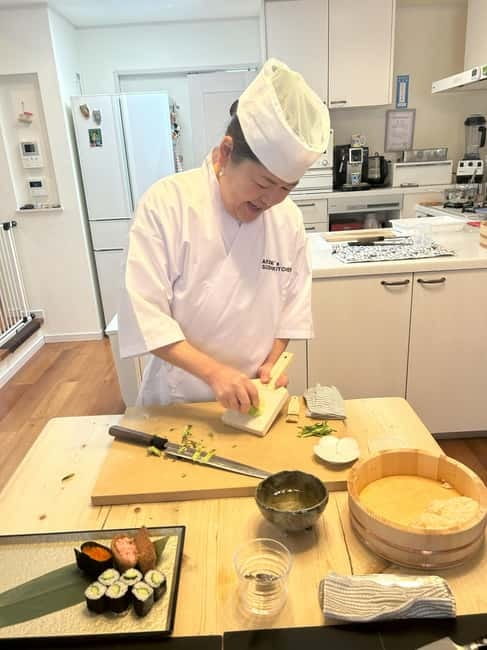
At $103 per person, this is not the cheapest way to eat sushi in Tokyo. You can buy excellent sushi for less, especially if your only aim is lunch or dinner. The price makes more sense when you count the instruction, the fish-preparation demonstration, the four techniques, the meal, sake, dessert, and the time spent with a trained chef.
I see the value in the combination. You are paying for a meal and a small cultural lesson in a private home, not just ingredients. The group size also supports the price because personal guidance is difficult to provide in a large class.
The calculation changes if you dislike fixed menus or have strict dietary needs. You cannot select the sushi types, and allergies cannot be accommodated. In that case, the included food may not offer enough flexibility to justify the cost.
For someone who already plans to spend money on sushi during a Tokyo visit, this activity can replace one restaurant meal while adding a skill and a personal connection. For a budget-conscious visitor who only wants to eat, a sushi restaurant will be better value.
Who will enjoy this class most?
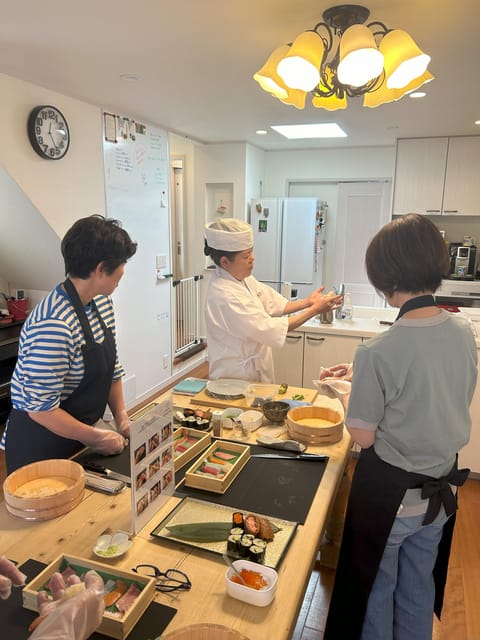
I would recommend it to sushi fans who want to understand how the food is made, couples looking for a relaxed Tokyo activity, and families with children aged 10 or older. It also fits visitors who value local contact and prefer a home kitchen to a polished tourist venue.
It is a particularly good choice for a small family group. One family of four had the class to themselves, which shows how the six-person limit can create a private-feeling session even when you do not book every place.
You should think twice if you want a free-choice cooking class. The set menu is firm. You should also avoid booking if anyone in your party has a food or animal allergy, since the kitchen cannot accommodate those allergies. A vegetarian option is available, but mention it when placing the order.
This is also not the right activity for very young children. The minimum age is 10, and the lesson requires attention to demonstrations, food handling, and shaping techniques.
Practical booking advice for your Tokyo day
Choose the morning session if you want to follow the class with afternoon sightseeing. Choose the afternoon session if you prefer a slower morning and want a prepared dinner later in the day.
When booking, state your vegetarian preference and any dietary information. The allergy policy is strict, so do not assume a small adjustment will be possible. If you want station pickup, request it ahead of time rather than waiting until you are lost near the house.
The activity is offered in English and Japanese, lasts three hours, and is limited to six participants. You can cancel up to 24 hours in advance for a full refund, and the reserve-now, pay-later option keeps your schedule flexible.
Should you book AKEMI’s SUSHiKiTCHEN?
Book this class if you want to make and eat four sushi styles, learn why vinegar rice matters, and spend time in a welcoming Japanese home. The small group, clear English instruction, and personal care from Akemi and Dan give the experience more character than a standard restaurant meal.
Skip it if you need a fully customizable menu, have food or animal allergies, or only want inexpensive sushi. For everyone else, the $103 price is reasonable when you treat it as a meal, cooking class, and cultural visit in one. Plan your route, ask for station pickup if needed, and arrive ready to work with your hands.
FAQ
Where does AKEMI’s SUSHiKiTCHEN take place?
The activity takes place in Akemi Castellano’s home in Tokyo on Honshu. It is conveniently accessible from Shinjuku and Shibuya, with about a 10-minute walk from the nearest train station.
How long does the sushi lesson last?
The lesson lasts three hours. Morning sessions are paired with lunch, while afternoon sessions are paired with dinner.
Which types of sushi will I make?
You will make four types: inari, gunkan or battleship sushi, maki-sushi, and traditional nigiri sushi.
Is a meal included?
Yes. You eat the sushi you prepare during the lesson. Japanese sake and dessert are included, and additional drinks and matcha tea may also be served.
Is the class taught in English?
Yes. Instruction is available in English and Japanese. Akemi Castellano leads the class.
How many people can join?
The activity is a small-group experience limited to six participants.
Can I request vegetarian food?
Yes. A vegetarian option is available, but you need to state your preference when placing your order.
Can the kitchen accommodate food or animal allergies?
No. The kitchen cannot accommodate customers with food or animal allergies. If you have an allergy, you should not book this activity.
More Workshops in Tokyo
- Tokyo Shinjuku Chopsticks Making Class
★ 5.0 · 1,763 reviews - Tokyo: Sushi Making Class in a Happi Coat near a Famous Spot
★ 4.9 · 1,377 reviews - Chopstick Making Workshop in Ginza
★ 4.8 · 1,366 reviews - Tokyo Sushi Making Class in Tsukiji with Professional Chef
★ 5.0 · 1,177 reviews
New on our Tokyo list
- Sumi-e Experience in a relaxing green tea shop in Tokyo★ 5.0 · 3 reviews
- Tokyo : Kamikaze Street Drift Ride★ 5.0 · 3 reviews
- Private Zen Meditation in English in Shinjuku, Tokyo★ 5.0 · 3 reviews
- Easy for everyone! Now you can play handmade mini shamisen and show off to everyone! Musical instruments, sweets and live music★ 5.0 · 3 reviews
- Onsen Spa in Tokyo and Asakusa Bar Hopping with Local Guide★ 5.0 · 3 reviews
- Tokyo: Private Tsukiji Street Food & Sake with Local Guide★ 5.0 · 3 reviews
- Mt Fuji Exploration Tour with Free Japanese Kusa Mochi from Tokyo★ 4.5 · 3 reviews
- Tokyo Tsukiji Fish Market Walking and Exploring Hidden Gems Tour★ 5.0 · 3 reviews
Japanese Cooking Classes, compared.
Ramen & Gyoza Cooking Class in Tokyo with Local Supermarket Visit
Read our review →
Easy Ramen Cooking Experience in Kabukicho, Shinjuku
Read our review →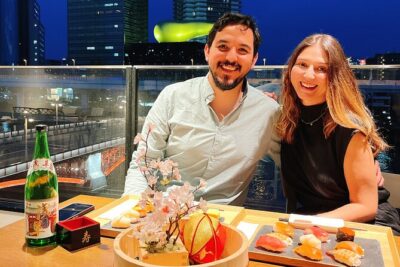
Ramen and Sushi Cooking Class with Sake Pairing Set in Tokyo
Read our review →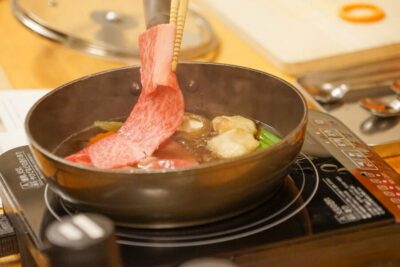
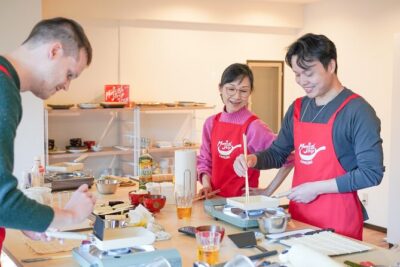
Tokyo Washoku 4-hour Cooking Class: From Market to Table
Read our review →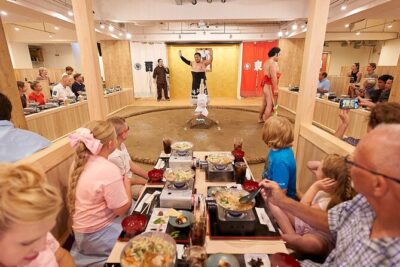
TokyoSumoShow, ChickenHotPot, and Mochi-Pounding by Pro Wrestlers
Read our review →
Professional Ramen & Gyoza with Ramen Chef in a restaurant!
Read our review →
Small-Group Wagyu Beef and 7 Japanese Dishes Tokyo Cooking Class
Read our review →Browse the lists this tour appears in