
Reviewed · JAPANESE COOKING CLASSES
Giant Sushi Cooking Class: Make a 1.5m Sushi Roll in Tokyo
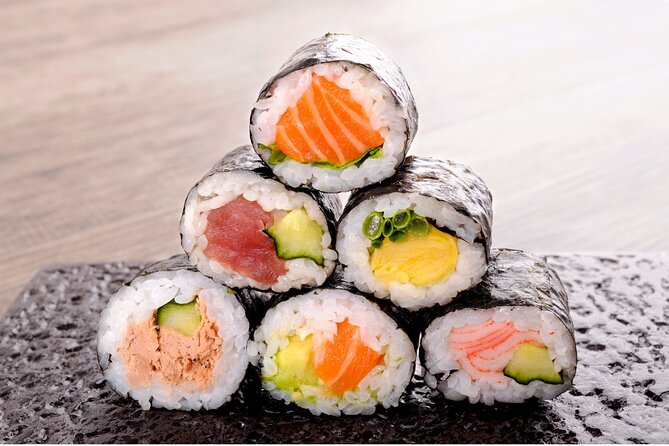
A 1.5-meter sushi roll is the main event here, and it turns a familiar Japanese dish into a cheerful team project. In Meguro, local hosts show you how to prepare the rice, nori, fish, avocado, and sesame before everyone works together to roll, cut, and eat one oversized maki.
I like the hands-on format, since you are involved from the first ingredients to the final slices. I also like the relaxed social touches: Japanese snacks, conversation, and traditional social games give the class more character than a simple recipe demonstration.
The main consideration is the advertised duration of approximately 12 hours, which is unusually long for a cooking class. Confirm the exact schedule before booking, especially if you have a packed Tokyo day.
In This Review
- Key points at a glance
- Making a 1.5-meter sushi roll in Meguro
- Preparing the rice, fillings, and nori
- Rolling the sushi log as a group
- Cutting, serving, and eating the finished maki
- Japanese snacks, conversation, and social games
- Is $50 a fair price in Tokyo?
- Who should book this sushi class?
- Practical details before you go
- Should you book the giant sushi class?
- FAQ
- Where does the sushi cooking class start?
- Where does the activity finish?
- How long does the experience last?
- How large is the group?
- What will I make during the class?
- Can I cancel for a full refund?
Key points at a glance
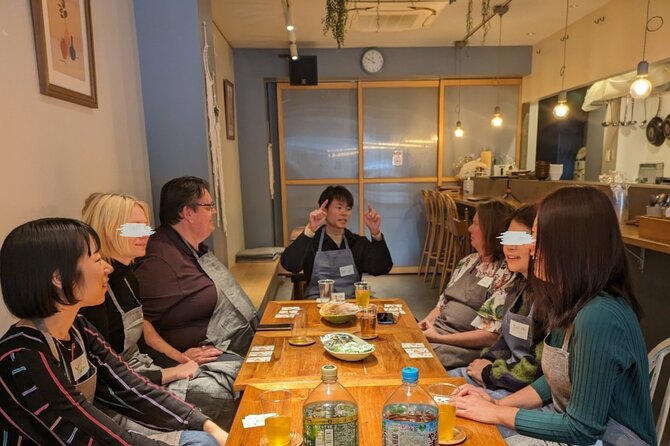
- A 1.5-meter maki roll: The whole group works together to create one remarkably large sushi log.
- Useful home cooking methods: You learn techniques using ordinary utensils and equipment, so the class is not only a photo opportunity.
- Meguro setting: The meeting point is in Senzoku, Meguro City, with the café about a 10-minute walk from a station.
- Small maximum group: Up to 12 people can join, giving the activity a shared but reasonably contained feel.
- Hand-painted serving plates: The finished sushi is served on individually made Japanese dishware, with pieces available to buy onsite.
- Flexible booking: Free cancellation is available up to 24 hours before the start time.
Making a 1.5-meter sushi roll in Meguro
Most sushi classes focus on neat, individual rolls. This one asks you to think much bigger. The goal is a single maki measuring about 1.5 meters, long enough to require teamwork, steady hands, and a little planning.
That scale changes the mood. You are not quietly copying a chef at your own station. You are helping build one shared creation, with the result depending on how well the group spreads the rice, places the fillings, and applies pressure during the roll.
The meeting point is 2 Chome-3 Senzoku, Meguro City, Tokyo 152-0012. The café is described as about a 10-minute walk from the station, so give yourself time to find the address without rushing. A mobile ticket makes entry simple, but you should still have the meeting details ready on your phone.
The setting in Meguro is useful for visitors who want a food activity away from Tokyo’s most crowded sightseeing districts. This is not a grand restaurant spectacle. It is a local-style cooking session in a café environment, with the social side of the activity carrying as much weight as the food itself.
More sushi mornings and classes:
- Sushi Making Tokyo Roll and Authentic Japanese Sushi Class
★ 5.0 · 3,971 reviews - Tokyo: Roll and Authentic Sushi Making Class in Asakusa
★ 4.9 · 1,957 reviews - Make Sushi and Create Unforgettable Memories in Tokyo
★ 5.0 · 1,413 reviews
Preparing the rice, fillings, and nori
The class begins with the ingredients that make sushi work. You prepare the fish and avocado fillings, handle the nori sheets, and learn why sushi rice has its particular texture and flavor.
That rice lesson matters more than it may sound. Sushi rice is not simply ordinary cooked rice placed inside seaweed. The texture needs to hold together without becoming heavy, and the rice must complement the fillings rather than overpower them.
You will work with fish, avocado, nori, rice, and sesame seeds. The supplied information does not identify the fish variety or provide details about food substitutions, so ask about ingredients before booking if you have allergies or dietary restrictions.
The hosts also explain traditional methods passed down through generations. That gives the class a practical connection to Japanese cooking, though the focus remains on making this particular giant maki rather than covering every style of sushi.
I like that the activity uses everyday cooking utensils and equipment. You can focus on technique instead of watching a highly specialized kitchen performance, and the methods should be easier to repeat at home.
Rolling the sushi log as a group
The critical moment comes when the ingredients are laid out. You and the other participants place the nori, spread the rice, arrange the fillings, and finish with sesame seeds.
A normal sushi roll gives you a small margin for error. A 1.5-meter roll gives you much more room to make mistakes, but it also makes small errors visible. Too much filling can make the roll difficult to close. Uneven pressure can leave the center loose or push ingredients toward one end.
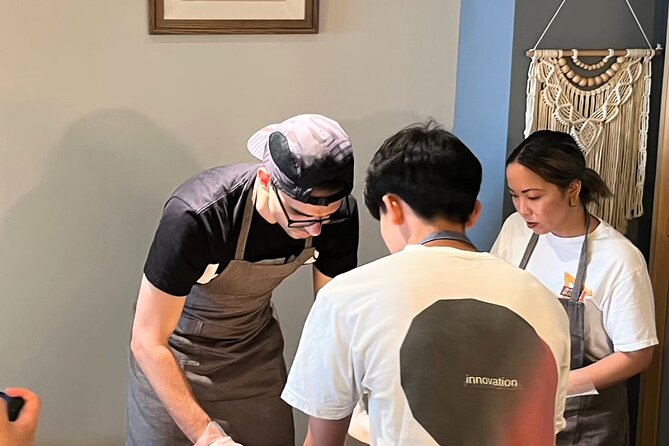
The hosts guide the group through the rolling process. You need just the right pressure to form the log without crushing the rice or tearing the nori. This is the part that gives the class its practical value and its comic potential. A giant roll is a group effort, so coordination matters.
With a maximum of 12 participants, the class is large enough to feel social but not enormous. You will not have a completely private lesson, and the final roll belongs to the whole group. That is a plus if you enjoy shared activities. It may be less appealing if you want detailed one-to-one coaching or to make several different sushi styles by yourself.
The class is well suited to couples, families, and solo visitors who like meeting people through food. A solo participant can join the group without needing to organize a private booking. Families should consider the long roll and shared preparation as a fun project rather than a quiet lesson.
Cutting, serving, and eating the finished maki
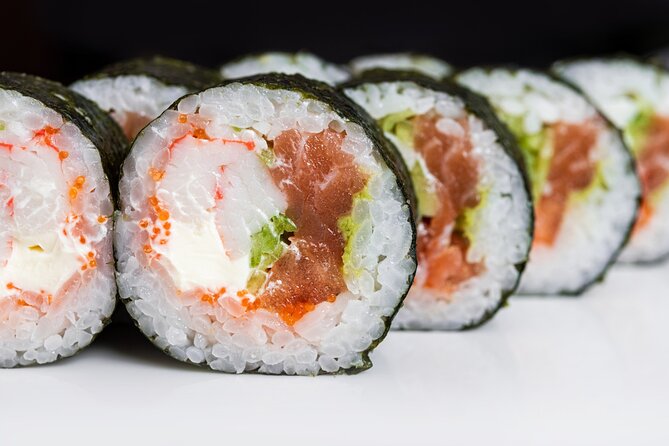
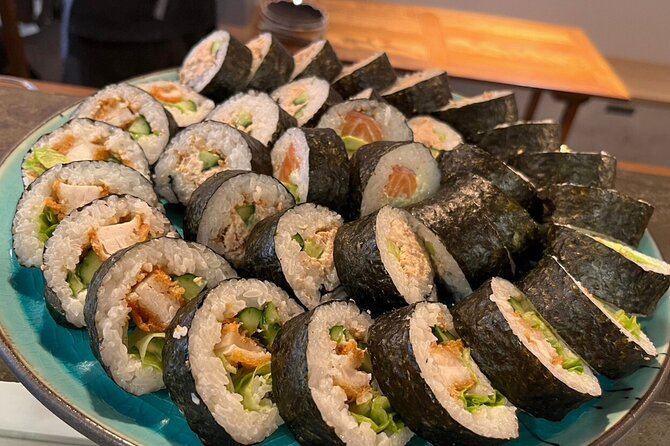
Once the sushi log is ready, the group cuts it into portions and serves it. This gives the class a satisfying finish: you do not simply make food and leave it on a work surface. You see the full result, then share the meal you helped create.
The scale also makes the final cutting memorable. A 1.5-meter maki is not the sort of roll most people prepare in a home kitchen, so the finished pieces provide the clear payoff for all the careful preparation.
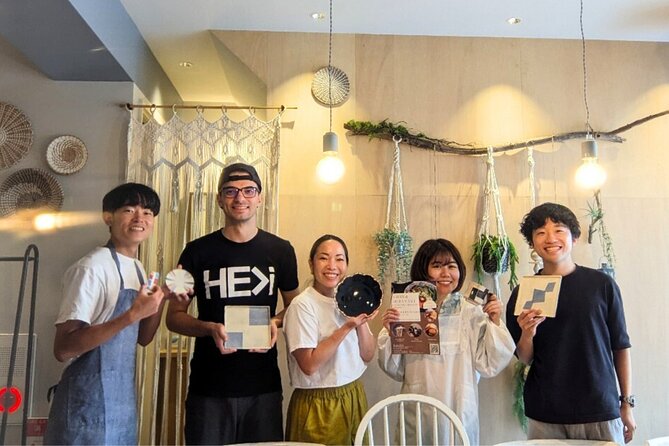
The sushi is served on Japanese dishware that is crafted and painted by hand. Each plate is a unique piece designed by local artists. This detail adds a visual and cultural layer to the meal without turning the activity into a shopping visit.
The plates are available to purchase at the onsite shop after the class. That option is useful if you want a tangible reminder of the activity, but it is entirely separate from the $50 booking price. You should not assume that the dishware or any other merchandise is included as a takeaway.
More cooking classes in Tokyo:
- Ramen & Gyoza Cooking Class in Tokyo with Local Supermarket Visit
★ 5.0 · 823 reviews - Tokyo: Easy Ramen Cooking Experience in Kabukicho, Shinjuku
★ 4.6 · 321 reviews - Ramen and Sushi Cooking Class with Sake Pairing Set in Tokyo
★ 5.0 · 291 reviews - Tokyo: Wagyu and 7 Japanese Dishes Cooking Class
★ 4.9 · 273 reviews
Japanese snacks, conversation, and social games
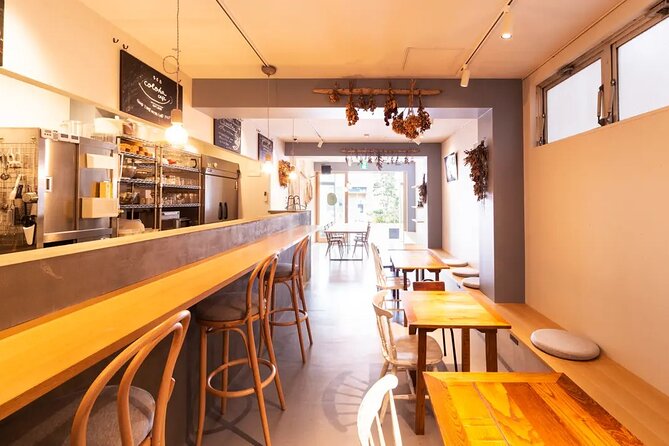
The class includes Japanese snacks and time for conversation. You also get to enjoy Japanese social games, which makes the visit feel more like a hosted cultural activity than a strict cooking lesson.
These extras are particularly helpful for solo visitors. Cooking together gives you an easy reason to talk, while the games provide another way to connect when language or shyness might otherwise get in the way.
A previous booking described the café as new but praised the service and the overall experience. That fits the appeal here: the class is not relying only on the giant roll. The welcome, snacks, and informal interaction help fill out the visit.
Still, the class will be most rewarding if you enjoy a social atmosphere. If you want a formal chef-led masterclass with technical detail at every stage, the group format may feel light. If you want to laugh, make something unusual, and eat it with new companions, the format makes good sense.
Is $50 a fair price in Tokyo?
At $50, this is priced above a basic meal but below many premium food experiences. The value depends on what you want from the activity.
You are paying for more than the ingredients. The price includes instruction, guided preparation, the shared sushi-making project, the meal, Japanese snacks, and the social program. The hand-painted serving plates also give the final meal a stronger sense of place, even though you pay separately if you decide to buy one.
The class offers better value for you if you want an activity that combines food, local contact, and a memorable group challenge. It is less compelling if your only goal is to eat excellent sushi. A restaurant meal will be simpler, and you will not need to spend time preparing rice or handling nori.
The large format is also part of the value. You are unlikely to make a 1.5-meter roll as part of an ordinary cooking lesson, and the unusual scale gives you a story to take home. The class also teaches techniques that you can try again with normal-sized rolls using standard kitchen equipment.
Because the duration is listed as approximately 12 hours, check the start and finish details before you commit. That timing may be a data issue or may reflect a broad activity window. Either way, it is the one practical point I would clarify before paying.
Who should book this sushi class?
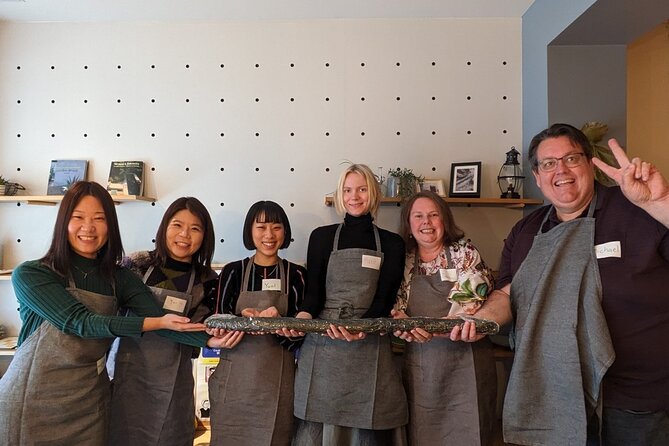
I would point this class toward several types of Tokyo visitors:
- Families: The giant roll creates a clear shared task, and the social games can add variety for children and adults.
- Couples: You can work together on something more memorable than a standard restaurant meal.
- Solo visitors: The small group and conversation make it easier to take part without arranging your own party.
- Food-focused visitors: You get direct practice with sushi rice, nori, fillings, and rolling pressure.
- Repeat Tokyo visitors: If you have already eaten plenty of sushi, this offers a different way to engage with the dish.
You may want to skip it if you dislike group activities, have strict dietary needs that have not been confirmed, or want a highly technical lesson focused on several sushi styles. The available details support one main creation, not a broad professional course.
Practical details before you go
The activity starts and ends at 2 Chome-3 Senzoku, Meguro City. It is near public transportation, and the café is about a 10-minute walk from the station according to the available visit details.
The maximum group size is 12. That limit matters because the giant roll needs several people, but too many participants would make the preparation crowded. Twelve is a workable upper limit for a shared project, though your personal time with the host will depend on the group size on your date.
Your mobile ticket is accepted for the activity, and booking confirmation is provided at the time of reservation. Keep the confirmation accessible as you make your way to the meeting point.
Free cancellation is available if you cancel at least 24 hours before the start time. Cancellations made less than 24 hours ahead are not refunded, and changes inside that window are not accepted. The cut-off follows local Tokyo time, so pay attention to the exact start time shown when you book.
The experience is provided by Japanese Cooking Home, also known as Wagaya. No individual host or chef names are supplied, so do not expect to select a particular instructor.
Should you book the giant sushi class?
Book it if you want a social, hands-on Tokyo food activity with an unusual final product. The giant maki is memorable, the techniques are practical, and the snacks and games give the class more warmth than a simple demonstration.
At $50, the value is strongest for families, couples, solo visitors, and anyone who enjoys making a meal as part of a group. Before booking, confirm the unusually long advertised duration and ask about ingredients if you have allergies or dietary restrictions.
If you want a quiet meal, a private lesson, or a detailed study of many sushi styles, choose something else. If you want to roll one enormous sushi creation, share it on locally made plates, and leave with a new cooking skill, this is an easy activity to recommend.
FAQ
Where does the sushi cooking class start?
The class starts at 2 Chome-3 Senzoku, Meguro City, Tokyo 152-0012, Japan.
Where does the activity finish?
The activity ends back at the meeting point.
How long does the experience last?
The advertised duration is approximately 12 hours. Confirm the exact schedule before booking because this is unusually long for a cooking class.
How large is the group?
The activity has a maximum of 12 participants.
What will I make during the class?
You will prepare a 1.5-meter sushi maki with sushi rice, nori, fish, avocado, and sesame seeds, then cut, serve, and eat it.
Can I cancel for a full refund?
Yes. You can cancel for a full refund up to 24 hours before the experience start time. Cancellations or changes made less than 24 hours before the start time are not accepted for a refund.
More Workshops in Tokyo
- Tokyo Shinjuku Chopsticks Making Class
★ 5.0 · 1,763 reviews - Tokyo: Sushi Making Class in a Happi Coat near a Famous Spot
★ 4.9 · 1,377 reviews - Chopstick Making Workshop in Ginza
★ 4.8 · 1,366 reviews - Tokyo Sushi Making Class in Tsukiji with Professional Chef
★ 5.0 · 1,177 reviews
New on our Tokyo list
- Sumi-e Experience in a relaxing green tea shop in Tokyo★ 5.0 · 3 reviews
- Tokyo : Kamikaze Street Drift Ride★ 5.0 · 3 reviews
- Private Zen Meditation in English in Shinjuku, Tokyo★ 5.0 · 3 reviews
- Onsen Spa in Tokyo and Asakusa Bar Hopping with Local Guide★ 5.0 · 3 reviews
- Easy for everyone! Now you can play handmade mini shamisen and show off to everyone! Musical instruments, sweets and live music★ 5.0 · 3 reviews
- Tokyo: Private Tsukiji Street Food & Sake with Local Guide★ 5.0 · 3 reviews
- Mt Fuji Exploration Tour with Free Japanese Kusa Mochi from Tokyo★ 4.5 · 3 reviews
- Tokyo Tsukiji Fish Market Walking and Exploring Hidden Gems Tour★ 5.0 · 3 reviews
Japanese Cooking Classes, compared.
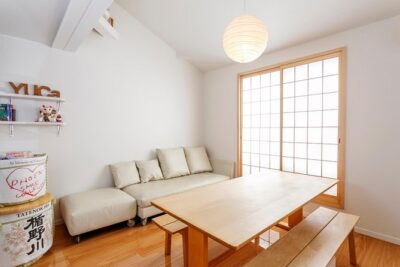
Ramen & Gyoza Cooking Class in Tokyo with Local Supermarket Visit
Read our review →
Easy Ramen Cooking Experience in Kabukicho, Shinjuku
Read our review →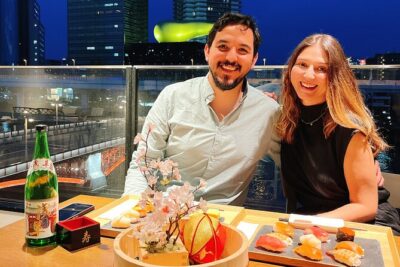
Ramen and Sushi Cooking Class with Sake Pairing Set in Tokyo
Read our review →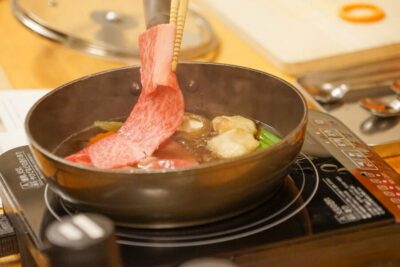
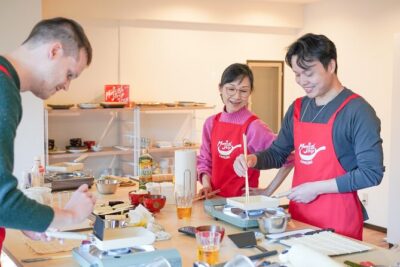
Tokyo Washoku 4-hour Cooking Class: From Market to Table
Read our review →
TokyoSumoShow, ChickenHotPot, and Mochi-Pounding by Pro Wrestlers
Read our review →
Professional Ramen & Gyoza with Ramen Chef in a restaurant!
Read our review →
Small-Group Wagyu Beef and 7 Japanese Dishes Tokyo Cooking Class
Read our review →Browse the lists this tour appears in