
Reviewed · JAPANESE COOKING CLASSES
Hands-On Japanese Craft in Tokyo with Mochi Wagashi & Matcha
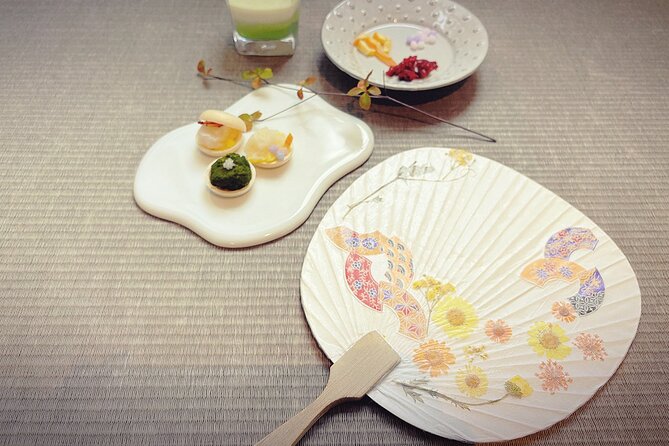
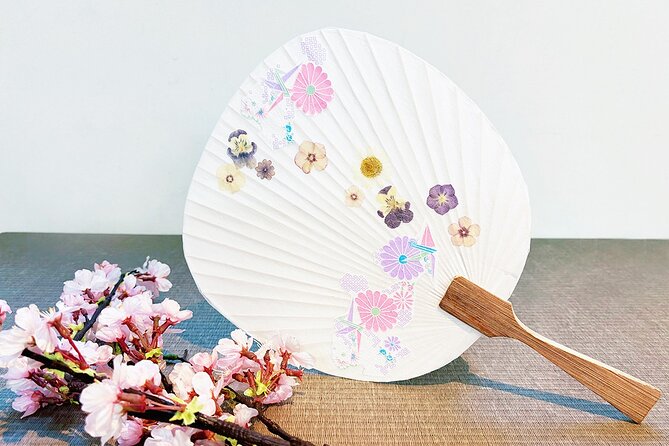
The clever heart of this Tokyo experience is that you make something you can keep. You design a round uchiwa fan with pressed flowers and Japanese-patterned origami, then use an iron to fix the flower design in place. I like that the craft feels personal rather than mass-produced, and I like the gentle introduction to matcha latte, which is creamy and mild enough for first-timers and children.
The main consideration is time. At about 90 minutes, this is a compact cultural activity, not a full cooking class or a long traditional arts lesson. The $78.69 price is fair if you value the handmade souvenir, guided support, and tasting, but it may feel high if you are mainly looking for a quick snack or a cheap craft.
In This Review
- Key points at a glance
- Making an uchiwa from flowers and paper
- What the matcha latte adds to the experience
- Tasting modern monaka and a kokedama sweet
- A 90-minute pace that works well in Tokyo
- What the $78.69 price really covers
- Who should book this Tokyo workshop?
- Practical advice before you go
- The best reason to choose it
- Should you book this uchiwa and matcha experience?
- FAQ
- How long does the experience last?
- What do I make during the workshop?
- What food and drink are included?
- Is the matcha latte suitable for first-time matcha drinkers?
- How many people can join the activity?
- Is transportation included?
- Can I cancel for a full refund?
Key points at a glance
- Make a fan you take home: Decorate a round uchiwa with pressed flowers and origami, then preserve the design with an iron.
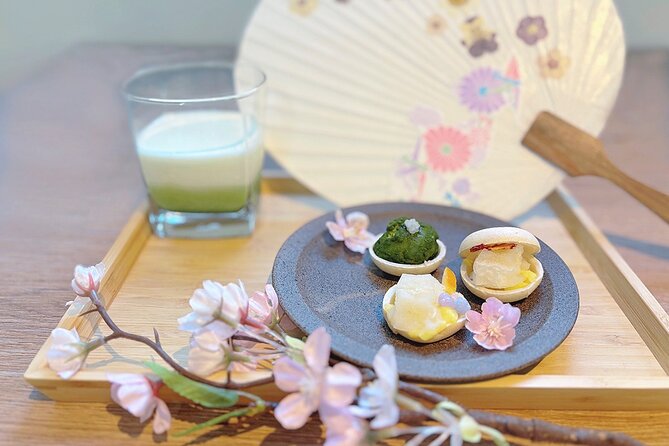
- Matcha made approachable: Prepare a milk-based matcha latte with help at each step, rather than drinking plain, bitter matcha.
- Two unusual wagashi: Try modern monaka with custard, mochi, and dried fruit, plus a sweet shaped like a Japanese moss ball.
- A calm, creative break: The activity combines sitting, making, tasting, and taking photos in a peaceful setting.
- Small enough for support: The maximum group size is 15, and the staff can guide you through the craft and matcha preparation.
- Useful Tokyo souvenir: Your fan is light, distinctive, and easier to pack than many traditional crafts.
Making an uchiwa from flowers and paper
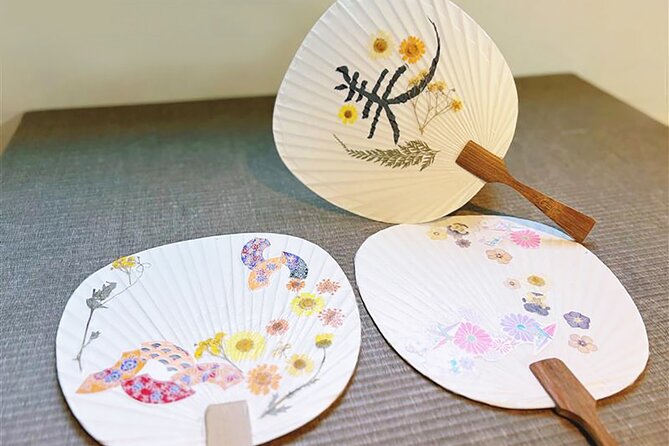
The fan-making portion gives this experience its strongest sense of place. An uchiwa is a traditional Japanese round fan, long used to create a little breeze in hot weather. It is also a simple, useful object with a clean shape that gives you plenty of room to make your own design.
You choose from pressed flowers and Japanese-style origami paper. The finished pattern will depend on how you arrange the materials, so two fans should not look exactly alike. If you are not naturally artistic, do not worry too much. The design is built from small pieces, and the staff provides examples and support rather than expecting you to arrive with a plan.
One especially interesting step is fixing the flowers onto the fan with an iron. This makes the activity feel more like a real craft than a sticker project. You are not simply picking up a souvenir from a shop. You are making the object, deciding where its colors go, and watching the decoration become part of the paper.
The iron step also means you should follow the staff’s instructions closely. The supplied information does not give detailed safety rules, so the practical approach is to let the instructor handle or supervise any part that requires care. The craft is designed to be approachable, but it still involves a real tool.
I like the cultural meaning behind the materials. Pressed flowers bring nature into the design, while origami paper adds familiar Japanese patterns and color. The result is not a formal lesson in Japanese aesthetics, but it gives you a small taste of the idea that everyday objects can be both useful and beautiful.
Your completed uchiwa becomes a take-home souvenir. It is a better memory aid than a standard keychain because it carries your own choices. Pack it carefully at the end of your day, especially if you plan to place luggage on top of it.
More tea rooms worth booking:
- Matcha Making Class in Tokyo with Authentic Japanese Sweets Set
★ 5.0 · 744 reviews - Tokyo: Traditional Tea Ceremony with a Tea Master
★ 5.0 · 528 reviews - Tokyo: Matcha Making Experience with Mochi Sweets in Asakusa
★ 4.9 · 388 reviews
What the matcha latte adds to the experience
The second half shifts from handcraft to food and drink. You prepare matcha with milk, creating a latte that is smoother and less bitter than plain matcha. That makes a real difference for people who are curious about green tea but unsure about its stronger flavor.
This is not presented as a formal tea ceremony. Instead, it is a practical introduction to matcha preparation, with help through each step. That format works well if you want to participate rather than watch someone else do everything.
The staff’s patient approach is important here. Matcha can be intimidating when you first encounter it, especially if you expect the sharp taste of unsweetened green tea. In latte form, the milk softens the flavor and gives the drink a creamy texture. Children and adults who normally prefer coffee-shop drinks may find this version easier to enjoy.
One useful detail is that you can have fun with the preparation even if matcha is not your favorite drink. The activity still gives you a better sense of how powdered Japanese tea is handled, mixed, and turned into a familiar café-style beverage.
The information does not specify the exact milk, sweetness, whisking method, or serving size. If those details matter to you, ask the staff at the beginning. The confirmed point is simple: the included drink is a matcha latte, not a plain bowl of matcha.
Tasting modern monaka and a kokedama sweet
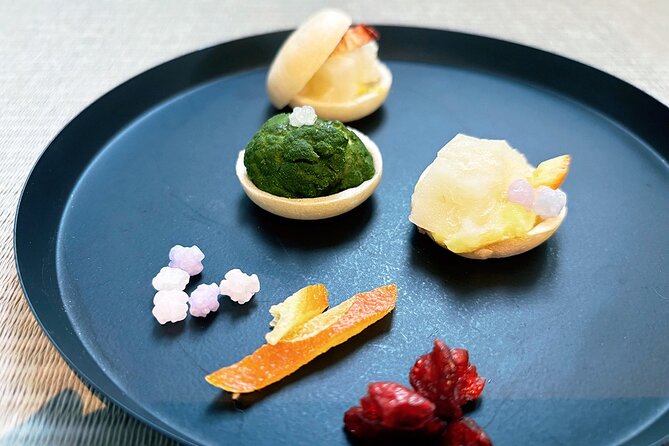
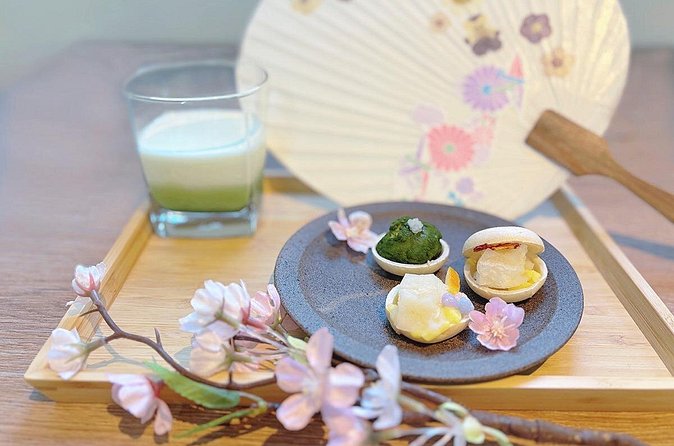
Two wagashi-style sweets accompany the drink. The first is a modern take on monaka, a Japanese sweet associated with crisp wafer shells. Here, the wafer is filled with custard cream and mochi, then finished with your choice of dried fruit.
That combination gives you several textures in one bite. The wafer is crisp, the custard is smooth, the mochi is chewy, and the fruit adds a sharper or sweeter note depending on what you choose. This is a useful option if you do not enjoy traditional sweets filled with red bean paste. The version served here is designed around custard instead.
The second sweet takes its shape from kokedama. Kokedama is a Japanese gardening style in which a plant grows from a ball of soil covered in moss. The dessert copies that rounded, moss-ball look, turning a gardening form into something cute and edible.
The appeal is partly visual. These sweets are made for close-up photographs, and their unusual shapes give the tasting a playful quality. At the same time, you should keep your expectations in check. The supplied information does not identify the exact ingredients or flavor profile of the kokedama sweet, so anyone with allergies or strict dietary needs should ask before eating.
Together, the two sweets make the food portion more interesting than a single standard wagashi. One gives you the crisp, chewy, creamy contrast of modern monaka. The other connects food with Japanese plant culture through its shape.
A 90-minute pace that works well in Tokyo
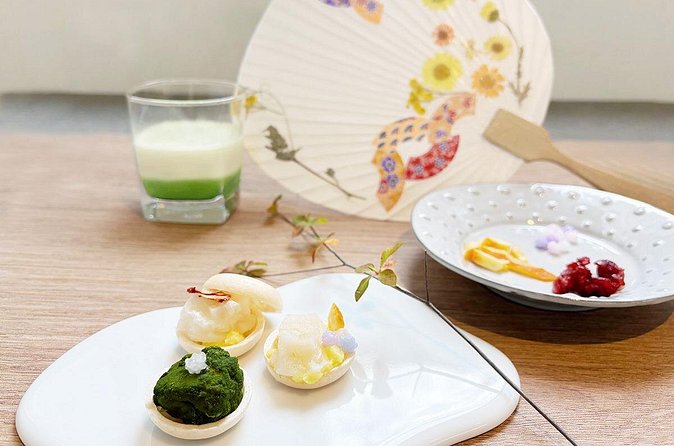
The experience lasts about an hour and a half and returns you to the starting point. That short length is useful on a packed Tokyo day. You can fit it between larger sightseeing plans without giving away half a day.
The pace appears to be divided between the fan craft and the matcha and sweet-tasting portion, though the exact timing is not specified. You should expect the craft to take the largest share of your attention, since choosing a design and fixing the flowers takes more involvement than simply receiving a snack.
A 15-person maximum keeps the session from becoming a huge class. It is still a group activity, so you will not have unlimited one-to-one time. Yet a group of this size allows enough room for the staff to offer help, and it gives the craft a social feel without making the room feel like a large demonstration.
The experience is especially useful for families and mixed-age groups. The fan decoration gives children something to do with their hands, while adults can focus on color, composition, and the matcha process. Since the latte is milder than plain matcha, the tasting does not depend on everyone already liking Japanese tea.
It also suits solo visitors who want a low-pressure activity. You can work at your own design and leave with an object tied to your time in Tokyo. The activity has a quieter rhythm than a major sightseeing stop, which can be welcome after crowded streets and busy stations.
More cooking classes in Tokyo:
- Ramen & Gyoza Cooking Class in Tokyo with Local Supermarket Visit
★ 5.0 · 823 reviews - Tokyo: Easy Ramen Cooking Experience in Kabukicho, Shinjuku
★ 4.6 · 321 reviews - Ramen and Sushi Cooking Class with Sake Pairing Set in Tokyo
★ 5.0 · 291 reviews - Tokyo: Wagyu and 7 Japanese Dishes Cooking Class
★ 4.9 · 273 reviews
What the $78.69 price really covers
At $78.69 per person, this is not a bargain snack stop. The value comes from the combination of instruction, materials, the finished uchiwa, a matcha latte, and two wagashi. If you would otherwise buy a craft souvenir and pay separately for a Japanese sweets experience, the package makes more sense.
The fan matters most when judging the price. A handmade object gives you a lasting reminder, while the food and drink are consumed during the session. You are paying for the guided process and the chance to make an item yourself, not simply for the raw cost of paper, flowers, tea, and dessert.
I would book it if you want a structured cultural activity with a clear beginning and end. I would skip it if your main goal is an inexpensive taste of matcha, since Tokyo has many cafés where you can buy a drink for much less.
The price also buys convenience. The materials are prepared, examples are available, and you do not need to know how to arrange flowers or prepare matcha before arriving. That can be valuable on a first visit, when your time and attention are already divided among transport, food, and sightseeing.
Hotel pickup and drop-off are not included. You need to reach the meeting point in Tokyo yourself, and the activity finishes there as well. Since the precise address and nearby station are not provided here, check the booking details carefully before planning your day.
Who should book this Tokyo workshop?
This experience is a good fit for:
- First-time matcha drinkers who prefer milk and a softer flavor.
- Families with children who want a simple craft and an approachable tasting.
- Couples and friends looking for a shared activity that produces a souvenir.
- Solo visitors who want guided cultural contact without committing to a full-day class.
- Craft lovers who enjoy choosing materials and making a one-off design.
- People avoiding red bean paste, since the monaka uses custard, mochi, and dried fruit instead.
It may be less suitable for someone seeking a serious tea ceremony, a detailed history lecture, or advanced Japanese flower arrangement. The focus is friendly participation. You will learn through doing, but the session is not described as a formal master class.
It is also worth checking the activity’s conditions if your schedule is tight. Confirmation is provided when you book, but the experience requires a minimum number of participants. It can also be canceled for poor weather, with a different date or full refund offered in that case.
Practical advice before you go
Wear something comfortable enough for a seated craft session. The provided details do not list a dress code, but pressed flowers, paper, food, and an iron all reward a little care. Keep sleeves and bags out of the work area while the decoration is being fixed.
Bring a phone if you enjoy photographs. The fan design, the colorful materials, and the two unusual sweets all give you easy subjects. You can also photograph the finished uchiwa before packing it away.
Do not rush the design. The point is not to copy the prettiest sample. A simple arrangement with a few flowers may look cleaner than trying to use every available material. If you are unsure, ask the staff to help you balance the flowers and paper before anything is fixed in place.
If you have food allergies or dietary restrictions, ask about the ingredients before tasting. The details identify custard, mochi, dried fruit, and the kokedama-inspired dessert, but they do not provide a full allergy guide or dietary substitutions.
Free cancellation is available up to 24 hours before the start time for a full refund. Cancellations or changes inside that window are not accepted for a refund. Cutoff times follow Tokyo local time, so check the clock carefully if you are changing plans from another time zone.
The best reason to choose it
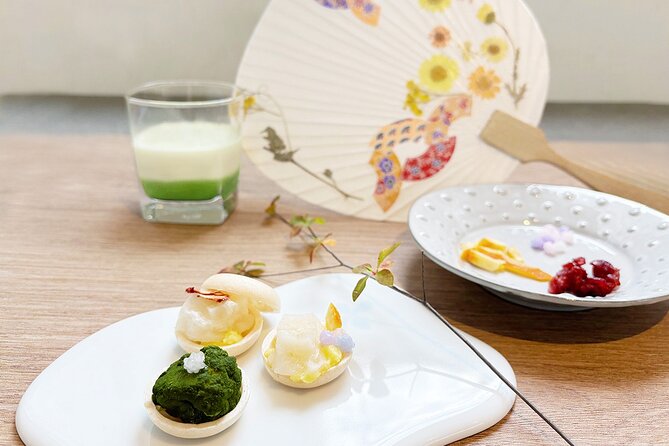
The strongest part of this experience is the balance between making and tasting. The fan gives you a quiet, creative task. The matcha latte and wagashi give you an edible introduction to Japanese flavors and forms. Neither section demands specialist knowledge, which keeps the mood relaxed.
I also like that the souvenirs are connected to the activity. You do not simply receive a preselected gift. You leave with an uchiwa shaped by your own arrangement of pressed flowers and origami paper. That personal link is what gives the craft more value than a quick souvenir purchase.
The staff support is another practical strength. The activity has been designed so that you can receive help with the fan and each step of the matcha preparation. That matters for people who feel they are not creative or who have never worked with matcha before.
Should you book this uchiwa and matcha experience?
Book it if you want a friendly, hands-on Tokyo activity that fits into 90 minutes and leaves you with a handmade souvenir. The mild matcha latte, custard-filled monaka, and kokedama-shaped sweet make it accessible to people who are new to Japanese tea and wagashi.
Think twice if you want a deep traditional lesson or if $78.69 feels too much for a short session. You are paying for guided participation, prepared materials, food, and the uchiwa you take home. For families, couples, solo visitors, and craft-minded people, that package offers a solid cultural break from sightseeing.
FAQ
How long does the experience last?
The activity lasts approximately 1 hour and 30 minutes.
What do I make during the workshop?
You decorate a round Japanese uchiwa fan using pressed flowers and Japanese-patterned origami paper. The completed fan can be taken home.
What food and drink are included?
The experience includes a matcha latte and two types of wagashi. One is a modern monaka with custard cream, mochi, and dried fruit. The other is shaped like a kokedama, or moss ball.
Is the matcha latte suitable for first-time matcha drinkers?
The latte combines powdered matcha with milk, making it smoother, creamier, and less bitter than plain matcha. It is presented as suitable for first-timers and children.
How many people can join the activity?
The experience has a maximum group size of 15 people.
Is transportation included?
No. Hotel pickup and drop-off are not included, and the activity ends back at the meeting point in Tokyo.
Can I cancel for a full refund?
Yes. You can cancel at least 24 hours before the experience start time for a full refund. Cancellations or changes made less than 24 hours before the start time are not accepted for a refund. If the activity is canceled because of poor weather or an insufficient number of participants, you will be offered another date or a full refund.
More Workshops in Tokyo
- Sushi Making Tokyo Roll and Authentic Japanese Sushi Class
★ 5.0 · 3,971 reviews - Tokyo: Roll and Authentic Sushi Making Class in Asakusa
★ 4.9 · 1,957 reviews - Tokyo Shinjuku Chopsticks Making Class
★ 5.0 · 1,763 reviews - Tokyo: Sushi Making Class in a Happi Coat near a Famous Spot
★ 4.9 · 1,377 reviews
New on our Tokyo list
- Sumi-e Experience in a relaxing green tea shop in Tokyo★ 5.0 · 3 reviews
- Tokyo : Kamikaze Street Drift Ride★ 5.0 · 3 reviews
- Private Zen Meditation in English in Shinjuku, Tokyo★ 5.0 · 3 reviews
- Onsen Spa in Tokyo and Asakusa Bar Hopping with Local Guide★ 5.0 · 3 reviews
- Easy for everyone! Now you can play handmade mini shamisen and show off to everyone! Musical instruments, sweets and live music★ 5.0 · 3 reviews
- Tokyo: Private Tsukiji Street Food & Sake with Local Guide★ 5.0 · 3 reviews
- Mt Fuji Exploration Tour with Free Japanese Kusa Mochi from Tokyo★ 4.5 · 3 reviews
- Tokyo Tsukiji Fish Market Walking and Exploring Hidden Gems Tour★ 5.0 · 3 reviews
Japanese Cooking Classes, compared.
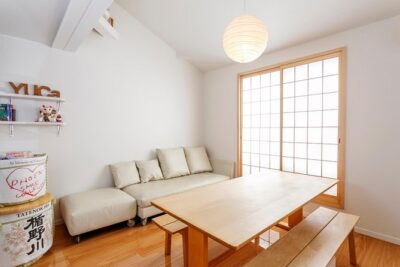
Ramen & Gyoza Cooking Class in Tokyo with Local Supermarket Visit
Read our review →
Easy Ramen Cooking Experience in Kabukicho, Shinjuku
Read our review →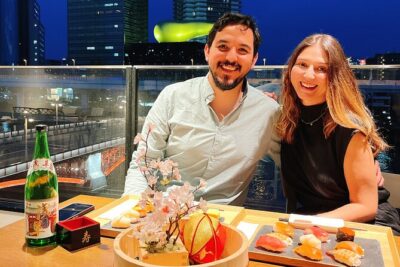
Ramen and Sushi Cooking Class with Sake Pairing Set in Tokyo
Read our review →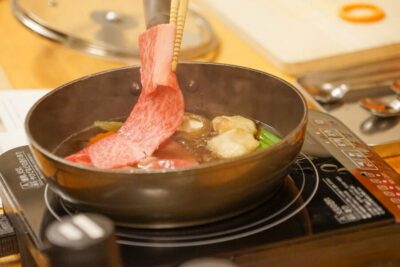
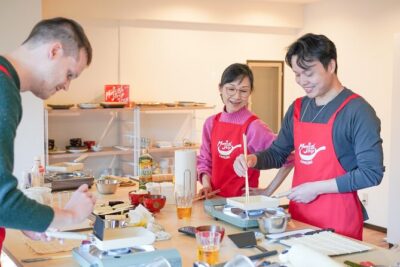
Tokyo Washoku 4-hour Cooking Class: From Market to Table
Read our review →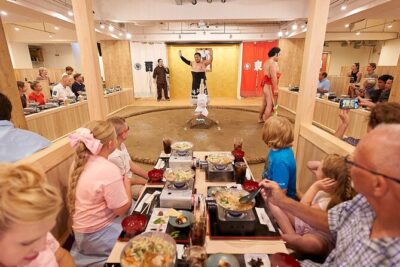
TokyoSumoShow, ChickenHotPot, and Mochi-Pounding by Pro Wrestlers
Read our review →
Professional Ramen & Gyoza with Ramen Chef in a restaurant!
Read our review →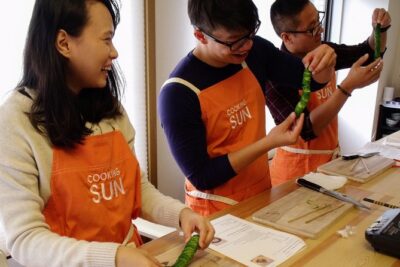
Small-Group Wagyu Beef and 7 Japanese Dishes Tokyo Cooking Class
Read our review →Browse the lists this tour appears in