
Reviewed · JAPANESE COOKING CLASSES
Japanese Food Cooking Class in Asakusa, Tokyo
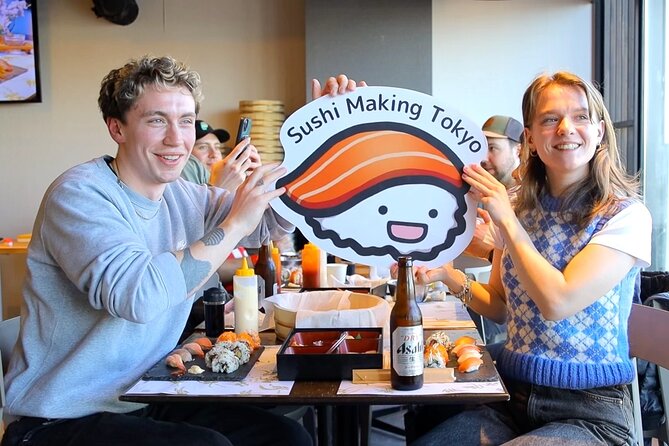
Making sushi by hand is a fine way to get past the polished restaurant experience and see how the food comes together. In this three-hour Asakusa class, you learn both maki rolls and nigiri, then prepare matcha in a traditional whisking session near Sensoji Temple.
I like the clear, practical teaching and the chance to eat what you make. I also like the mix of food and tea, which gives you two useful introductions to Japanese culture in one stop. Instructors named Jun and Kazu have been praised for patient, funny guidance, especially with children.
The main consideration is the price: $85.87 per group of up to one is not a cheap casual meal, so check the final booking total carefully if you are booking for more than one person. The class also takes about three hours, which means fitting it around temple visits requires a little planning.
In This Review
- Key points at a glance
- Why this Asakusa class works well
- Starting with matcha and a slower pace
- Learning maki rolls and nigiri
- What the teaching style feels like
- How much value do you get for $85.87?
- Fitting the class into a day in Asakusa
- Who should book this experience?
- Booking and cancellation details
- Should you book it?
- FAQ
- Where does the Japanese cooking class meet?
- How long does the experience last?
- What food will I learn to make?
- Is the class taught in English?
- Do I need cooking experience?
- How many people can join?
Key points at a glance
- Two Japanese skills in one class: You make sushi and learn to whisk matcha during separate hands-on sessions.
- A short walk from Sensoji Temple: The meeting point is at 2-chōme-17-9 Kaminarimon in Asakusa, close to one of Tokyo’s best-known sights.
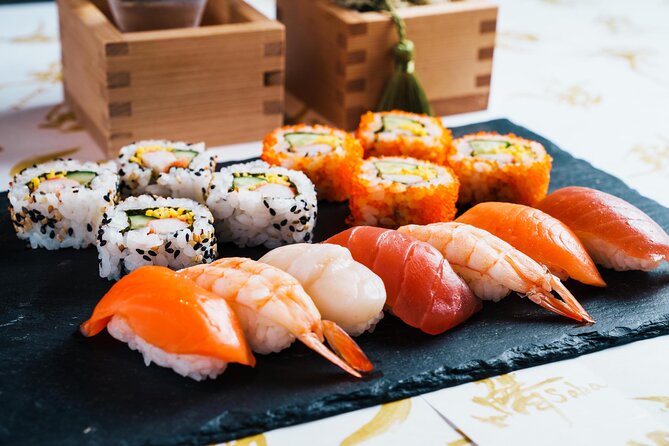
- Maki and nigiri are both included: You are not limited to rolling sushi, since the class also teaches the basic form of nigiri.
- English instruction keeps it beginner-friendly: No previous cooking experience is required, and the teacher demonstrates each step.
- A good family option: Children as young as 7 and 9 have taken part successfully with adult family members.
- Small enough to feel personal: The maximum group size is 15, so the class is not designed as a huge demonstration.
Why this Asakusa class works well
Asakusa is one of Tokyo’s best areas for combining a cultural sight with a food activity. You can begin near Kaminarimon, walk to Sensoji Temple, and then make your way to the class meeting point at 2-chōme-17-9 Kaminarimon, Taito City.
That setting matters. You are not spending the whole day in a cooking studio far from anything else. The class fits naturally into a morning or afternoon in old Tokyo, though you should allow time for the class itself and for the busy streets around Sensoji.
I especially like the way the experience joins two activities that are often sold separately. Sushi gives you a practical food lesson, while matcha slows the pace and introduces a more careful Japanese ritual. Neither part requires you to already know what you are doing.
The English-speaking instructors guide you through each stage. The strongest teaching details include patient explanations, humor, and step-by-step help. Jun has been singled out for explaining both sushi rolls and nigiri clearly, while Kazu has worked especially well with families and younger children.
The class can hold up to 15 people. That is still a fairly modest number for a Tokyo activity, but it is not a private lesson. If you want one-on-one attention at every moment, a smaller class would be preferable. For most beginners, though, a group of this size should offer enough structure without feeling like a cooking show viewed from the back row.
More cooking classes in Tokyo:
- Ramen & Gyoza Cooking Class in Tokyo with Local Supermarket Visit
★ 5.0 · 823 reviews - Tokyo: Easy Ramen Cooking Experience in Kabukicho, Shinjuku
★ 4.6 · 321 reviews - Ramen and Sushi Cooking Class with Sake Pairing Set in Tokyo
★ 5.0 · 291 reviews
Starting with matcha and a slower pace
The matcha portion lasts about one hour and comes with admission included. You learn how to whisk matcha in the traditional way, with the instructor showing you the method rather than simply handing over a prepared drink.
That makes this part more useful than a quick tasting. You get a basic sense of the movement, the tools, and the care involved in preparing the tea. The class description does not promise a full tea ceremony, so you should think of it as a hands-on matcha lesson, not a formal ceremonial performance.
I like beginning with matcha because it gives the session a calm opening. Sushi preparation can involve several steps and ingredients, while whisking tea asks you to slow down and pay attention. It is a nice contrast, especially if you have just come from the crowds around Sensoji.
This is also the most accessible section for people who are less confident in the kitchen. You do not need to handle raw fish or shape sushi right away. Instead, you start with a simple cultural activity and then move into the more active cooking portion.
The available information does not specify the exact tea utensils, the matcha grade, or the amount you prepare. I would not book this expecting a lengthy lesson in Japanese tea schools or tea ceremony etiquette. Book it for a friendly, basic introduction that lets you try the technique yourself.
Learning maki rolls and nigiri
The sushi session lasts about one hour and 40 minutes, making it the longer part of the class. Fresh ingredients are provided, and the meal you make is included in the price.
The important point is that you learn more than one sushi style. Maki involves rolling ingredients in seaweed and rice, while nigiri requires shaping rice and placing a topping on it. These forms feel different in your hands, and learning both gives you a better sense of how sushi is assembled.
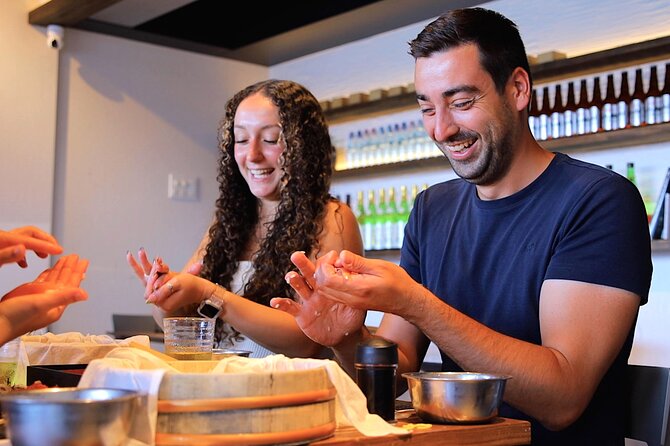
The instructors demonstrate each step and then let you copy it. That approach is useful for beginners because sushi can look deceptively simple. Rice quantity, pressure, and rolling technique all affect the final shape. You may not produce restaurant-perfect pieces on your first try, but the structure of the lesson should help you finish with food you can eat and enjoy.
The ingredients are described as fresh, though the exact fish, fillings, and menu can vary. Because the supplied information does not list allergens or dietary substitutions, you should ask the provider before booking if you have food allergies or strict dietary needs.
The finished sushi is part of the experience, not an afterthought. You make a substantial amount of sushi, then eat what you have prepared. That gives the class a clear payoff and makes the price easier to judge than an activity where you only watch a chef work.
You should also expect some basic information about sushi and its background. The instruction includes an explanation of how to make the food as well as some context about sushi itself. The focus remains practical, so this is better suited to someone who wants to cook than to someone seeking a long lecture.
What the teaching style feels like
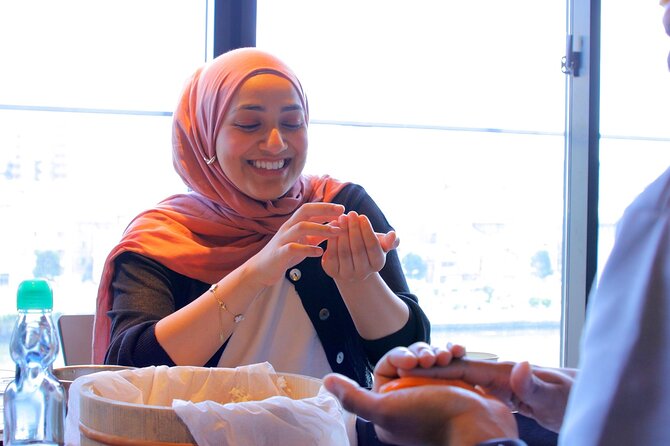
The tone sounds friendly and informal rather than stiff. The instructors are described as funny, welcoming, and patient, and that matters when you are trying to shape food for the first time.
A good cooking teacher notices where beginners get stuck. In this class, the instruction is broken into manageable stages, with help available as you work. The comments about Jun and Kazu suggest that the teaching is not limited to a single scripted demonstration.
That is especially useful for a family. Children aged 7 and 9 have taken part with their parents, following the steps and getting excited about eating their own sushi. I would still expect adults to help younger children with knives, hot items, or any delicate preparation, since the available information does not give specific safety rules.
For adults, the humor helps keep mistakes from becoming a problem. Sushi making has a visual side, so an imperfect roll is part of the fun rather than a failure. You are learning a skill, not competing in a professional kitchen.
English is the working language. That removes a major barrier for visitors who want instruction rather than a silent demonstration. The experience does not require prior cooking ability, so you can book it even if your kitchen skills begin and end with opening a packet of noodles.
More Asakusa visits:
- Tokyo: Japanese Dance Cabaret Theater Asakusa-Kaguwa Ticket
★ 4.8 · 2,270 reviews - Tokyo: Meiji Shrine, Asakusa, Skytree Bus Tour and Cruise
★ 4.7 · 1,986 reviews - Tokyo: Roll and Authentic Sushi Making Class in Asakusa
★ 4.9 · 1,957 reviews - Tokyo: Asakusa Walking Tour with Sensoji Temple Visit
★ 4.8 · 1,583 reviews
How much value do you get for $85.87?
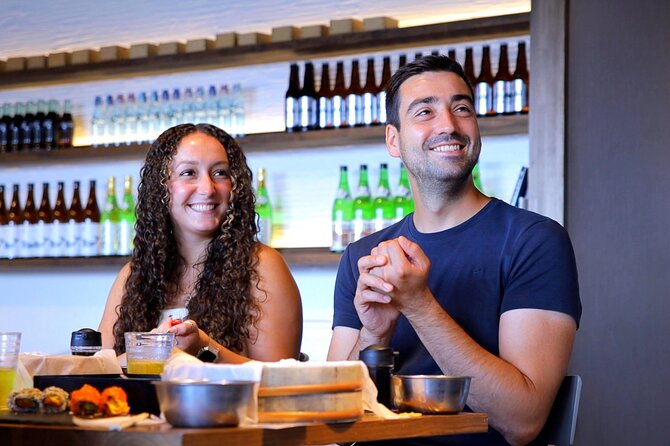
The stated price is $85.87 per group of up to one. That wording deserves attention. If you are booking alone, the price is straightforward. If you are booking with family or friends, check how the booking platform calculates the total, because the phrase per group of up to one may mean the displayed rate applies to one participant rather than a larger party.
At that price, you are paying for about three hours of instruction, an English-speaking teacher, ingredients, and the meal. You are also paying for the location, the preparation, and the chance to take part rather than simply buy sushi at a restaurant.
I see the value most clearly for someone who wants an activity with a lasting memory. A restaurant meal may cost less, but it will not teach you how to make maki or nigiri. A separate matcha experience could also add to your day, while this class puts both activities together.
The value is weaker if you only want a quick lunch or already make sushi regularly. You might also find the price harder to justify if you are not interested in matcha, since part of the class is devoted to tea rather than cooking.
The included food helps. You are not paying for a lesson and then buying a separate meal afterward. Still, the class should be judged as a cultural activity with food, not as the cheapest way to eat sushi in Tokyo.
Fitting the class into a day in Asakusa
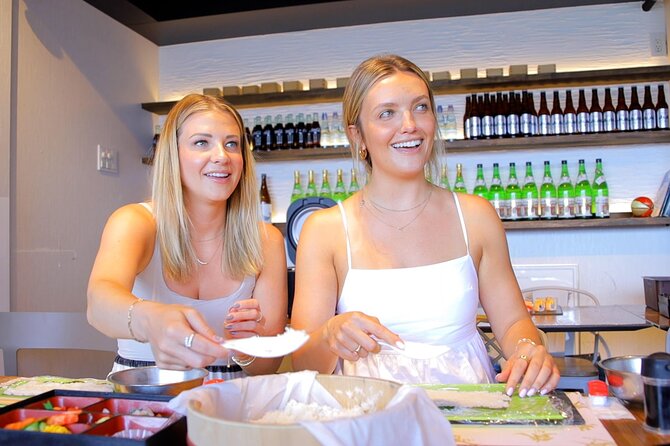
The meeting point is near public transportation and close to Sensoji Temple. The activity begins and ends at the same place, and there is no hotel pickup or drop-off.
I would plan this as one piece of an Asakusa day. You can visit Sensoji before or after the class, but do not schedule another timed attraction immediately afterward. The class lasts about three hours, and food preparation can take longer if the group needs extra guidance.
A mobile ticket makes arrival simpler. Keep the ticket available on your phone, and confirm the exact meeting instructions before setting out. The address is 2-chōme-17-9 Kaminarimon, Taito City, Tokyo 111-0034.
The area is served by public transportation, but the information provided does not name a specific station or walking time. Use the full address rather than relying only on the business name, especially in a busy part of Tokyo where several food businesses may be close together.
The activity ends back at the meeting point. That is convenient if you want to continue sightseeing in Asakusa, stop for more food, or return to your hotel by train. You arrange your own transport both ways, so build that into your schedule.
Who should book this experience?
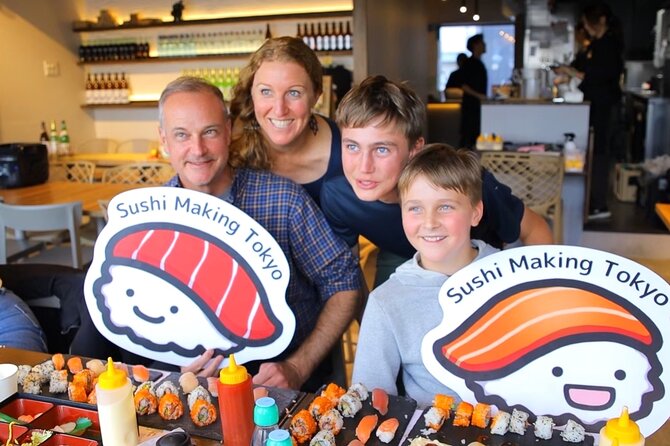
I would recommend it most strongly to first-time visitors who want a hands-on Tokyo activity rather than another viewing stop. It gives you something to do with your hands, something to eat, and a little cultural context without requiring advanced skills.
Families should give it serious thought. The friendly instruction and simple step-by-step format can make sushi less intimidating for children, while the finished meal gives them a reason to stay engaged. The minimum age is not stated, so confirm suitability for very young children before booking.
Couples and friends can also enjoy the shared task. Sushi making naturally creates a few laughs when rolls come out uneven or rice ends up in the wrong place. The matcha section adds a quieter change of pace.
Solo visitors are welcome, too. The activity is sold for a group of up to one, and the class format gives you a scheduled cultural activity without needing to organize a private cooking session yourself.
I would be more cautious if you have strict food restrictions, dislike structured group activities, or want a formal tea ceremony. The menu, allergy handling, and precise tea format are not provided, so ask the operator before paying if those details affect your decision.
Booking and cancellation details
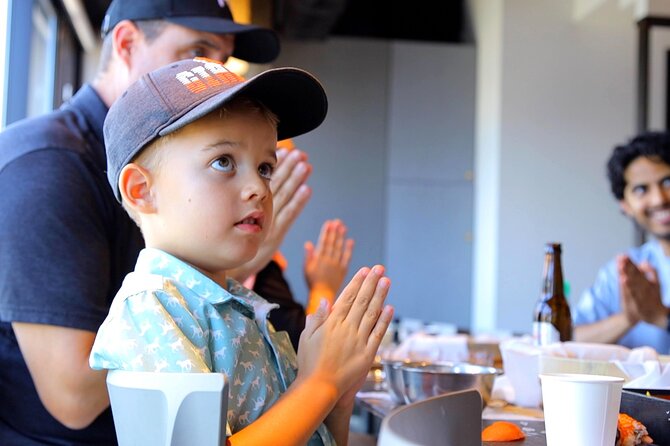
Confirmation is sent within 48 hours of booking, subject to availability. That means I would avoid leaving this until the last minute if your Tokyo schedule is tight.
Free cancellation is available when you cancel at least 24 hours before the local start time. A cancellation inside that window is not refunded, and changes made less than 24 hours before the start are not accepted.
The class is listed as suitable for most people, but the available information does not give detailed accessibility notes. If you need specific assistance, contact the provider before booking rather than assuming the meeting point or cooking space will meet your needs.
Should you book it?
Book this class if you want to connect a visit to Asakusa with two simple, memorable Japanese activities. The strongest reasons are the patient English instruction, the chance to make both maki and nigiri, and the included meal. The matcha lesson makes the three-hour session feel broader than a standard sushi workshop.
I would choose it for families, first-time Tokyo visitors, solo food lovers, and anyone who prefers doing something over watching another landmark. I would skip it if you only want a fast meal, need a guaranteed special diet, or expect a formal tea ceremony.
Before booking, check the unusual per-group pricing and confirm the final number of participants. If that cost works for your party and you can spare three hours in Asakusa, this is a practical, good-natured way to leave Tokyo with more than photographs. You may even leave knowing how to roll dinner at home.
FAQ
Where does the Japanese cooking class meet?
The class begins at 2-chōme-17-9 Kaminarimon, Taito City, Tokyo 111-0034, Japan. It also ends back at the same meeting point.
How long does the experience last?
The full activity takes about three hours. The matcha session lasts one hour, and the sushi session lasts about one hour and 40 minutes.
What food will I learn to make?
You will learn to make sushi using fresh ingredients, including maki rolls and nigiri. The ingredients and the meal are included.
Is the class taught in English?
Yes. An English-speaking instructor guides you through the activities step by step.
Do I need cooking experience?
No. Previous experience is not required, and the class is designed for beginners.
How many people can join?
The maximum group size is 15 travelers. Solo visitors, friends, and families are welcome, and the price information states a group size of up to one for the listed rate.
More Workshops in Tokyo
- Sushi Making Tokyo Roll and Authentic Japanese Sushi Class
★ 5.0 · 3,971 reviews - Tokyo Shinjuku Chopsticks Making Class
★ 5.0 · 1,763 reviews - Tokyo: Sushi Making Class in a Happi Coat near a Famous Spot
★ 4.9 · 1,377 reviews - Chopstick Making Workshop in Ginza
★ 4.8 · 1,366 reviews
New on our Tokyo list
- Tokyo Spectacular View Day-Cruise in 90 Minutes★ 5.0 · 25 reviews
- From Tokyo: Mount Fuji & Hakone Full Day Private Tour★ 4.9 · 25 reviews
- Real Tokyo Runner Club : Daikoku Car Meet Night Tour with JDM Car★ 5.0 · 25 reviews
- 2.5 Hour-Guided Cycle Tour in the Central Tokyo★ 5.0 · 25 reviews
- Ramen Making from Scratch +Akihabara Tour –Cooking Class★ 5.0 · 25 reviews
- [Self-Drive] Tokyo & Daikoku Custom Car Driving Tour★ 4.9 · 25 reviews
- Tokyo: 2-Hour Night Bike Tour of the City’s Hidden Gems★ 4.9 · 25 reviews
- Samurai themed Entertainment show in Shinjuku★ 4.5 · 25 reviews
Japanese Cooking Classes, compared.
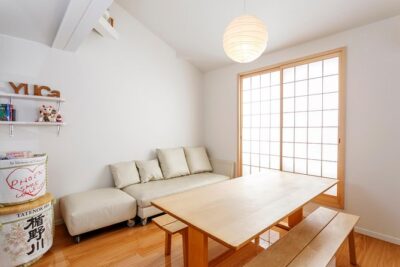
Ramen & Gyoza Cooking Class in Tokyo with Local Supermarket Visit
Read our review →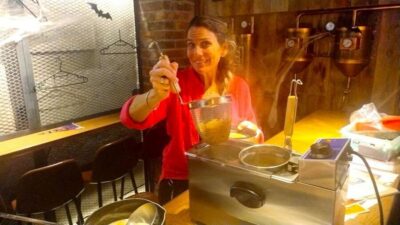
Easy Ramen Cooking Experience in Kabukicho, Shinjuku
Read our review →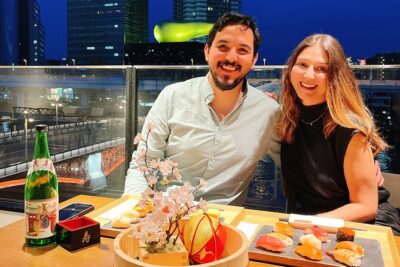
Ramen and Sushi Cooking Class with Sake Pairing Set in Tokyo
Read our review →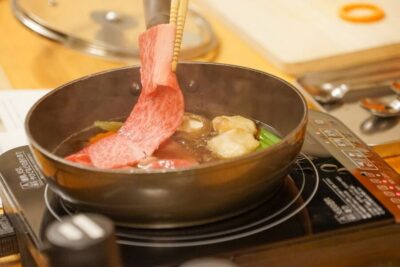
Tokyo Washoku 4-hour Cooking Class: From Market to Table
Read our review →
TokyoSumoShow, ChickenHotPot, and Mochi-Pounding by Pro Wrestlers
Read our review →
Professional Ramen & Gyoza with Ramen Chef in a restaurant!
Read our review →
Small-Group Wagyu Beef and 7 Japanese Dishes Tokyo Cooking Class
Read our review →Browse the lists this tour appears in