
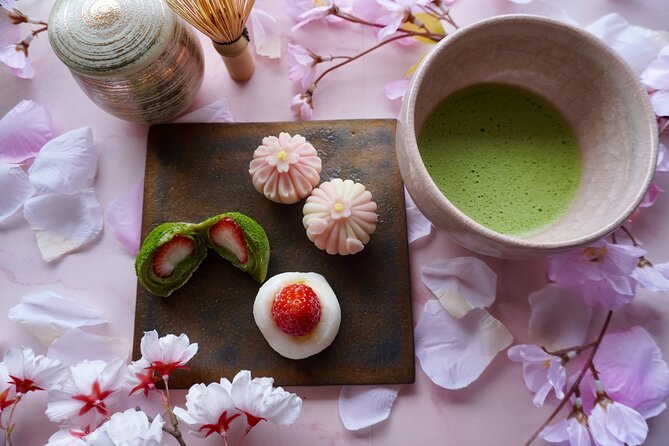
Reviewed · TEA CEREMONIES
Private Mochi・Matcha sweets Making Class Near Shibuya Area
The best part of this Tokyo experience is that you do not just eat mochi. You learn to make it in Sakura-san’s home, with time to ask questions, try the techniques yourself, and understand why these sweets matter in Japan. The class takes place near Sangenjaya, a short walk from the train in a pleasant residential neighborhood.
I like the private, small-group format, which allows Sakura to adjust her instruction for children, first-time cooks, and families. I also like that the class goes beyond recipes: you may make several sweets, learn about Japanese culture, then sit in the tea room for matcha if you wish.
The main consideration is the setting. This is a home-based class, not a polished commercial cooking studio, and there is a toy poodle named Choco in the house. If you have a dog allergy, this class is not recommended. The tea ceremony is simple rather than a long formal ritual.
In This Review
- Key points to know before booking
- Making mochi instead of just buying it
- Nerikiri adds an artistic side
- A tea room finish with matcha
- Sangenjaya gives you a local Tokyo setting
- Why the private format matters
- What makes the instruction work for beginners
- Is $78.83 a fair price?
- Who will enjoy this class most
- Practical details that affect your visit
- Should you book this mochi class?
- FAQ
- Where does the mochi and matcha class take place?
- How long does the experience last?
- What sweets can I learn to make?
- Is a tea ceremony included?
- Is the class suitable for children?
- Is there anything important to know about the home setting?
Key points to know before booking

- Private instruction from Sakura-san: You get personal guidance rather than a large demonstration where you simply watch.
- More than one Japanese sweet: The class can include mochi and nerikiri, with past sessions featuring strawberry daifuku, other mochi, dango, and shaved ice.
- A real home setting near Sangenjaya: You visit an authentic Japanese house in Setagaya, away from the usual sightseeing crowds.
- Tea room and matcha included: If you want, you can finish with a simple tea ceremony and drink matcha.
- Good for families: A six-year-old child and a group of five both enjoyed the hands-on format, and the maximum group size is eight.
- Plan around the dog and weather: Choco, a toy poodle, lives in the home, and the activity can be canceled in poor weather.
Making mochi instead of just buying it
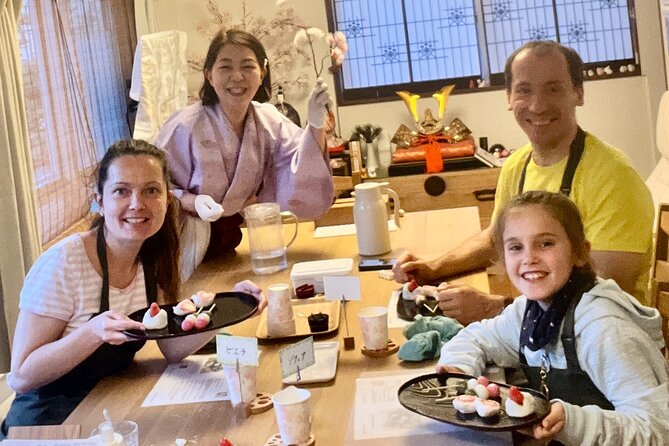
Mochi looks simple in a sweets case: a soft rice covering wrapped around a filling. Making it is another matter. You need to handle the dough carefully, shape it without tearing the skin, and keep the proportions tidy enough for the filling to stay in place.
That hands-on work is what gives this class its value. In a shop, you taste the finished sweet and move on. Here, you learn about the ingredients, follow the process, and see why the texture of mochi is so distinctive. Sakura gives step-by-step instruction, so you are not left guessing when the dough becomes sticky or difficult to shape.
The exact menu can vary, but the class has included three types of mochi, including two kinds of strawberry daifuku. It has also included shaved ice with dango. That variety matters because it lets you compare different textures and ways of serving Japanese sweets rather than making one item and stopping there.
You should expect a beginner-friendly lesson, not a professional pastry course. The aim is to give you a useful introduction to wagashi, the broad Japanese tradition of seasonal and artistic sweets, while keeping the work manageable within about two hours.
More tea rooms worth booking:
- Matcha Making Class in Tokyo with Authentic Japanese Sweets Set
★ 5.0 · 744 reviews - Tokyo: Traditional Tea Ceremony with a Tea Master
★ 5.0 · 528 reviews - Tokyo: Matcha Making Experience with Mochi Sweets in Asakusa
★ 4.9 · 388 reviews
Nerikiri adds an artistic side
Nerikiri is different from ordinary mochi. It is a refined Japanese sweet made to look delicate and often tied to the seasons. The appeal is visual as well as edible, and shaping it gives you a different kind of task from folding strawberry daifuku.
If nerikiri is part of your session, pay attention to the small shaping steps. The finished pieces can look far more complicated than the actions needed to form them. That contrast makes the class especially useful for you if you enjoy crafts, food presentation, or Japanese design.
Do not expect every class to produce identical sweets. Your results will depend on your own hands, and that is part of the fun. Sakura’s patient, encouraging approach helps take the pressure off, particularly when children or complete beginners are involved.
The class also gives you a chance to taste flavors you might otherwise overlook. Japanese sweets are not simply sugary snacks. Their texture, filling, shape, and relationship to tea all matter. The explanation of mochi’s place in Japanese culture adds meaning to the food you are preparing.
A tea room finish with matcha
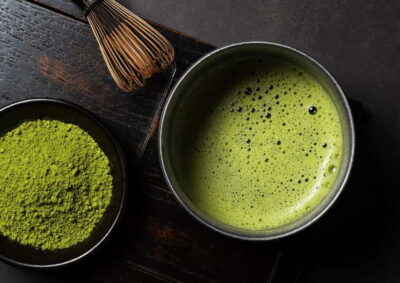
The house includes a tea room, and you can take part in a simple tea ceremony if you want to. Matcha is included, giving you a calm finish after the cooking and shaping.
This is not presented as a lengthy formal ceremony with strict ritual from start to finish. Think of it as a friendly introduction to the role of tea alongside wagashi. That makes it a good fit if you are curious about Japanese tea culture but do not want to commit to a more formal ceremony.
I like this optional structure. You can focus on sweets if that is your priority, or add the tea experience for a fuller cultural lesson. Families may appreciate having some flexibility, especially with younger children who may not want to sit through a long ritual.
The matcha also helps you understand why Japanese sweets are made with restraint. A sweet served with tea is part of a balance, not just a dessert course. Even a short tea room session can make the food feel connected to a broader Japanese custom.
Sangenjaya gives you a local Tokyo setting
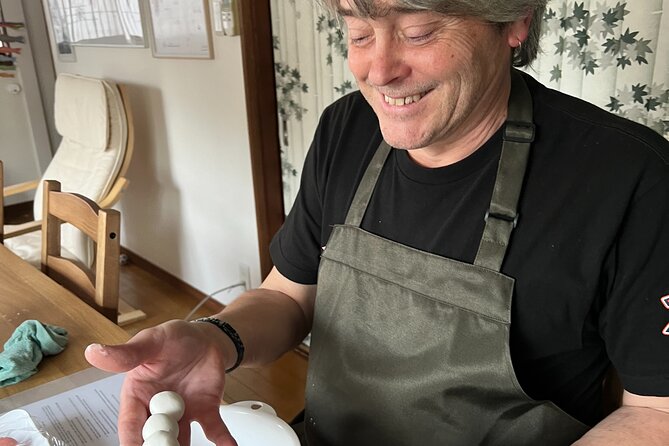
The meeting point is at 1-chōme-11-13 Sangenjaya, in Setagaya City. The class ends at the same place, so there is no second drop-off point to arrange.
Sangenjaya is convenient for a class near the Shibuya area, while the home setting gives the experience a quieter feel than a central tourist venue. The walk from the train is described as short, and the surrounding neighborhood is pleasant. You still need to allow time to find the exact address, since a private home can be less obvious than a hotel or shop.
This location works well as part of a flexible Tokyo day. You can schedule the class before or after other plans in the Shibuya area, but leave enough room for the two-hour activity and the journey to and from Sangenjaya. Since the class is held in a home, arriving on time is particularly important.
You also get local recommendations along the way. If you have questions about what to see or do in Tokyo, ask Sakura during the visit. This extra conversation can be useful because the advice comes within a neighborhood-based experience rather than from a standard city tour.
More Shibuya plans:
- Official Street Go-Kart in Shibuya
★ 5.0 · 3,435 reviews - Tokyo: Street Kart Experience in Shibuya
★ 4.9 · 1,484 reviews - Shibuya Meltdown Nightlife Tour: All-You-Can-Drink Bar Hopping
★ 5.0 · 1,058 reviews - Shibuya Official Street Go-Kart in Shibuya Annex
★ 5.0 · 972 reviews
Why the private format matters
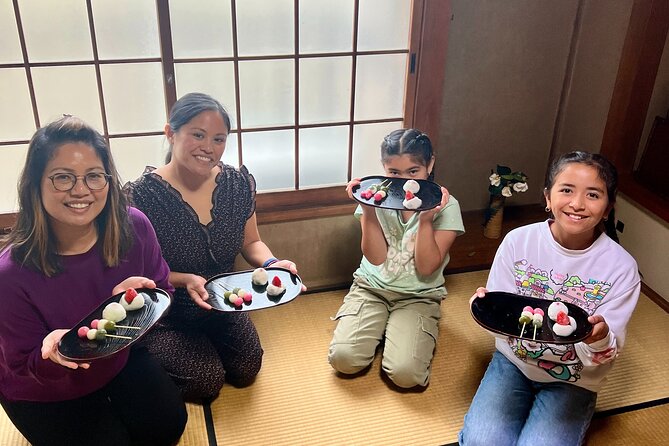
The maximum group size is eight, but the experience is described as private. That distinction is important. A small class gives you more chances to shape the sweets yourself and ask for help when a step feels awkward.
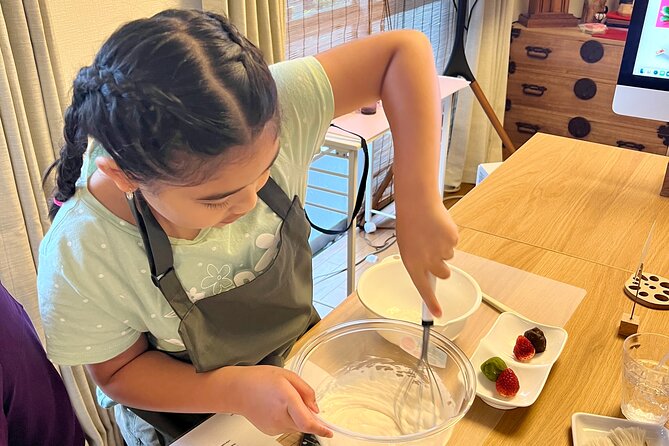
A large cooking class can become a demonstration with a little hands-on time at the end. Here, the focus is personal instruction. Families have used the class with children, and a group of five found it a highlight of their Tokyo visit. A mother and her six-year-old daughter also enjoyed the format, with Sakura paying close attention to their needs.
The private setup is especially useful if your group has mixed ages or different cooking abilities. One person can ask about technique while another asks about culture or ingredients. You do not need to worry about keeping up with a room full of strangers.
There is a limit, however. If you are looking for a busy social class where you meet many other people, this may feel too intimate. The home setting is built around time with the instructor and your own group.
What makes the instruction work for beginners
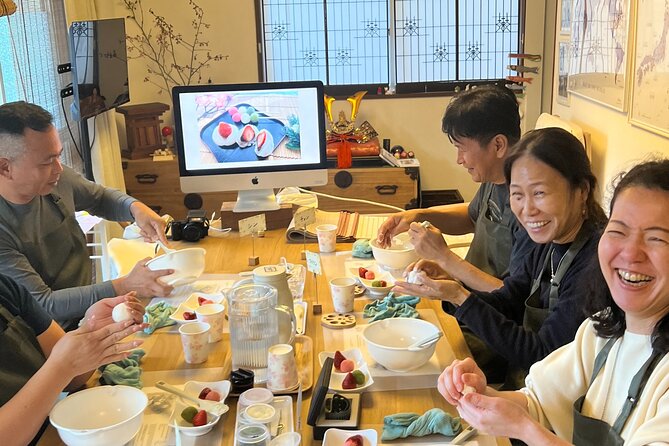
You do not need previous experience to make the most of this activity. The instruction is designed to be friendly to people from overseas, and the class includes explanations of both the method and the cultural background.
Mochi can be messy. Sticky dough has a way of ignoring neat plans, and children may produce shapes that are more charming than precise. That is not a problem here. Sakura’s patient and encouraging manner helps you keep going instead of treating each sweet like a test.
The class also gives you more than a list of cooking steps. You learn what the sweets represent and how they fit into Japanese food culture. The explanation of mochi’s importance was a key part of the experience for one family, and it is the kind of detail that makes the lesson worth choosing over a quick dessert stop.
English ability is not described in detail, but the class has been used successfully by people from overseas. If you have specific language needs, confirm them before booking rather than assuming every explanation will suit you.
Is $78.83 a fair price?
At $78.83 per person, this is not a cheap snack-making activity. You are paying for about two hours of private instruction, ingredients, finished sweets, matcha, access to a tea room, and time with an instructor who also offers local recommendations.
The price makes the most sense for a couple, family, or small group that values personal attention. If four or five people share the experience, the private setting can compare well with booking several separate activities. Group discounts may also be available, so check the total for your party rather than judging the price only per person.
You should think of this as a cultural activity with food, not simply a cooking class. The cultural explanation, home setting, and tea room add to the value. If you only want to eat excellent mochi, buying it from a respected wagashi shop will cost much less.
The strongest value comes when you take part fully. Shape the sweets yourself, ask questions, and use the tea ceremony to connect the food with Japanese custom. The more you treat it as a lesson rather than a tasting, the more the price makes sense.
Who will enjoy this class most
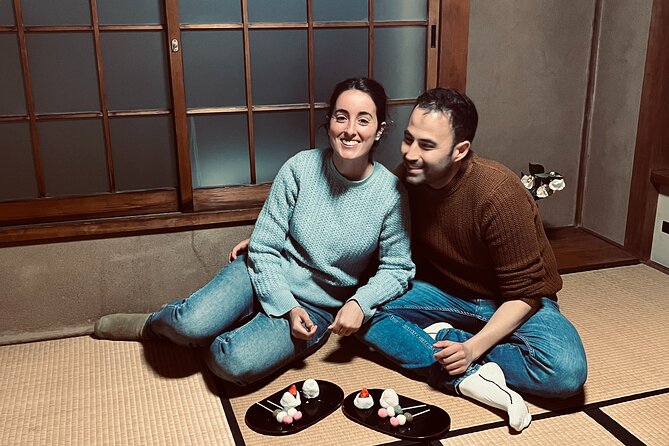
I would recommend it first to families, couples, and small groups who want a slower, more personal Tokyo activity. The six-year-old who enjoyed the class is a useful sign that the format can work for children, although every child has a different patience level.
It also suits you if you enjoy food that has a story behind it. The class connects ingredients, technique, appearance, tea, and culture in a compact session. You leave with more understanding than you would get from ordering mochi at a café.
This is also a good rainy-day style plan in theory, but the activity requires suitable weather and may be canceled if conditions are poor. Keep that in mind when arranging a tightly packed Tokyo schedule.
I would skip it if you have a dog allergy. A toy poodle lives in the house, and the activity is not recommended for people allergic to dogs. You may also prefer a commercial studio if you need a highly standardized space or a formal tea ceremony.
Practical details that affect your visit
Confirmation is sent within 48 hours of booking, subject to availability. Since the experience is often booked about 26 days ahead, you should reserve early if your Tokyo dates are fixed, especially for a private session.
You can cancel for a full refund up to 24 hours before the start time. Changes or cancellations within 24 hours are not refunded, so do not leave this booking until the last minute if your schedule is uncertain.
The activity allows service animals, but the resident toy poodle remains an important consideration. The class is near public transportation, and it starts and ends at the same Sangenjaya meeting point.
The experience requires a minimum number of participants. If that number is not reached, you will be offered another date or experience, or a full refund. Poor weather can also lead to a new date or full refund.
Should you book this mochi class?
Book it if you want to do something personal and hands-on in Tokyo. The strongest reasons are Sakura’s attentive instruction, the chance to make several traditional sweets, and the optional matcha session in a real tea room. The small-group format gives the class warmth that a large tourist workshop often lacks.
Families should give it serious consideration, especially if children enjoy making and shaping food. Couples and small groups will also get good use from the private setting. Ask about the day’s exact sweets if you particularly want nerikiri, strawberry daifuku, dango, or shaved ice.
Skip it if you are allergic to dogs, want a formal ceremonial tea experience, or are mainly looking for the lowest-cost way to eat mochi. For everyone else, this is a thoughtful two-hour introduction to Japanese sweets, with enough cooking, culture, and conversation to make the visit feel personal rather than packaged.
FAQ
Where does the mochi and matcha class take place?
The class takes place at an authentic Japanese house at 1-chōme-11-13 Sangenjaya, Setagaya City, Tokyo 154-0024, Japan.
How long does the experience last?
The activity lasts approximately two hours.
What sweets can I learn to make?
You can learn to make mochi and nerikiri. The class has also included strawberry daifuku, other types of mochi, dango, and shaved ice, but the exact selection may vary.
Is a tea ceremony included?
The house has a tea room, and you can take part in a simple tea ceremony if you want to. Matcha is included.
Is the class suitable for children?
Yes. The experience has been enjoyed by families, including a six-year-old child. The maximum group size is eight people.
Is there anything important to know about the home setting?
A toy poodle named Choco lives in the house, so the class is not recommended for anyone with a dog allergy. Service animals are allowed.
More Workshops in Tokyo
- Sushi Making Tokyo Roll and Authentic Japanese Sushi Class
★ 5.0 · 3,971 reviews - Tokyo: Roll and Authentic Sushi Making Class in Asakusa
★ 4.9 · 1,957 reviews - Tokyo Shinjuku Chopsticks Making Class
★ 5.0 · 1,763 reviews - Tokyo: Sushi Making Class in a Happi Coat near a Famous Spot
★ 4.9 · 1,377 reviews
More Dessert Tours in Tokyo
- Make Traditional Nerikiri Sweets & Matcha experience in Shibuya
★ 5.0 · 130 reviews - Private Mochi Sweets Making class near Shibuya area
★ 5.0 · 93 reviews - Japanese Traditional Sweets making and Tea Ceremony
★ 4.7 · 50 reviews - Tokyo Local Food Tour: Noodles, Skewers, Dumplings, Sweets
★ 5.0 · 48 reviews
New on our Tokyo list
- Sumi-e Experience in a relaxing green tea shop in Tokyo★ 5.0 · 3 reviews
- Tokyo : Kamikaze Street Drift Ride★ 5.0 · 3 reviews
- Private Zen Meditation in English in Shinjuku, Tokyo★ 5.0 · 3 reviews
- Onsen Spa in Tokyo and Asakusa Bar Hopping with Local Guide★ 5.0 · 3 reviews
- Easy for everyone! Now you can play handmade mini shamisen and show off to everyone! Musical instruments, sweets and live music★ 5.0 · 3 reviews
- Tokyo Tsukiji Fish Market Walking and Exploring Hidden Gems Tour★ 5.0 · 3 reviews
- Tokyo: Private Tsukiji Street Food & Sake with Local Guide★ 5.0 · 3 reviews
- Mt Fuji Exploration Tour with Free Japanese Kusa Mochi from Tokyo★ 4.5 · 3 reviews
Tea Ceremonies, compared.

Matcha Making Class in Tokyo with Authentic Japanese Sweets Set
Read our review →
Matcha Making Experience with Mochi Sweets in Asakusa
Read our review →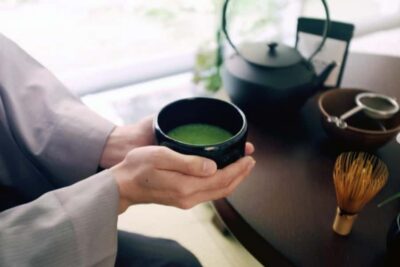
Tea Ceremony Workshop in Tokyo by the Experienced Instrucor
Read our review →

Make Traditional Nerikiri Sweets & Matcha experience in Shibuya
Read our review →Browse the lists this tour appears in