
Reviewed · JAPANESE COOKING CLASSES
Tokyo Sushi Making Experience & Japanese Cooking Class
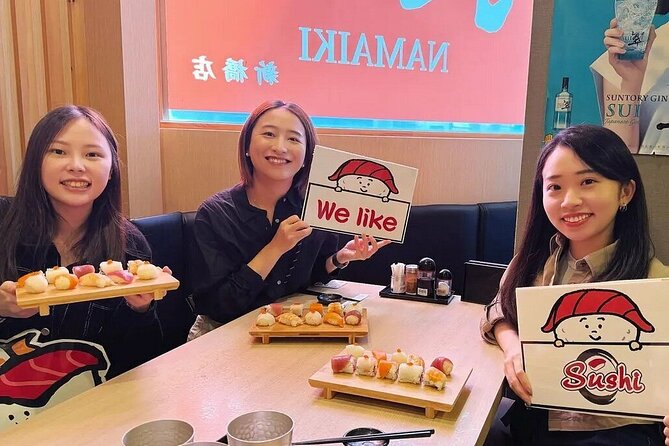
Sushi here is not just lunch. In a compact 90-minute class, you learn the customs behind each bite, shape several kinds of sushi, and eat what you make. The setting is friendly and practical, with instruction in English or Chinese and room for up to 15 people.
I like the small maximum group size, which gives you a better chance to get help with sticky rice, neat rolls, and tricky shapes. I also like the mix of maki, temari, and nigiri, since you learn more than one style instead of simply rolling the same sushi again and again.
The main thing to consider is the short running time. You get a fun introduction rather than a full Japanese cooking course, and drinks such as sake or shochu cost extra. The meeting point is in Shinbashi, so you will need to plan your route to 2-chome Shinbashi in Minato City before the class begins.
In This Review
- Key points to know before booking
- What happens when you arrive in Shinbashi
- A short lesson in sushi culture and etiquette
- Making maki sushi with tuna, salmon, and other fillings
- Shaping temari sushi into small edible forms
- Learning nigiri, the simplest-looking style
- Eating your own sushi at the end
- Optional sake, shochu, juice, and other drinks
- Photos and the practical value of the lesson
- Is $59.46 a fair price?
- Who will enjoy this class most
- Timing, cancellation, and weather notes
- Should you book the Tokyo sushi class?
- FAQ
- Where does the sushi-making class take place?
- How long does the experience last?
- Does the activity begin and end at the same location?
- What languages are available?
- What kinds of sushi can I learn to make?
- What ingredients are used?
- Can children join the class?
- Are drinks included in the price?
- What is the cancellation policy?
Key points to know before booking
- Three sushi styles in 90 minutes: Learn maki sushi, temari sushi, and nigiri, depending on the class format.
- Fresh ingredients: The menu can include tuna, salmon, squid, and flying fish roe.
- English or Chinese instruction: Guides speak English, Traditional Chinese, or Simplified Chinese.
- Small group format: The class accepts no more than 15 people, with hands-on help available.
- Family-friendly age range: Children from age 4 can take part.
- Optional Japanese drinks: Add sake, shochu, juice, or another drink, with alcoholic drinks sold separately.
What happens when you arrive in Shinbashi
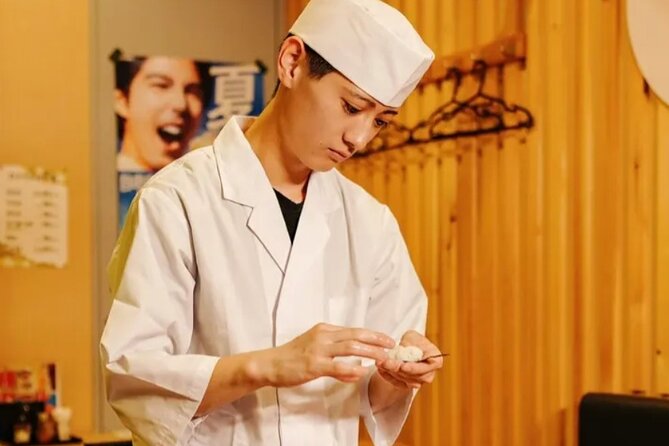
Your meeting point is at S-PLAZA Yayoi II, 2-chome Shinbashi, Minato City, Tokyo 105-0004. The activity starts and ends at this same location, which keeps the logistics simple. It is near public transportation, but the address is worth saving on your phone because the building name and street details can be easy to skim past in Tokyo’s dense city blocks.
Bring your mobile ticket and arrive with enough time to find the building. You do not need to bring cooking equipment or ingredients. That matters on a busy Tokyo day, since you can go straight from sightseeing to the class without carrying a knife, apron, or shopping bag.
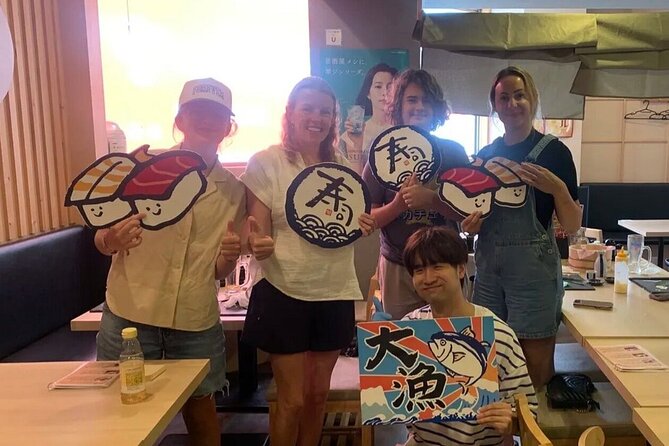
The classroom serves up to 15 people. That is not a private lesson, but it is small enough to feel manageable. You will work alongside other people and eat together, which gives the class a social feel without the size of a large food demonstration.
The staff can help in English, Traditional Chinese, or Simplified Chinese. If you are nervous about learning a new food skill in another country, this language support is one of the strongest practical reasons to book.
More sushi mornings and classes:
- Sushi Making Tokyo Roll and Authentic Japanese Sushi Class
★ 5.0 · 3,971 reviews - Tokyo: Roll and Authentic Sushi Making Class in Asakusa
★ 4.9 · 1,957 reviews - Make Sushi and Create Unforgettable Memories in Tokyo
★ 5.0 · 1,413 reviews
A short lesson in sushi culture and etiquette
The class begins with an introduction to sushi history and culture. This part gives you context for what you are about to make, including the care involved in shaping and serving sushi.
You also hear about sushi etiquette. That can include the way each piece is handled and eaten, though the exact teaching sequence may vary. I like this part because it turns the meal into more than a quick craft project. You leave with a better sense of why sushi is presented in different forms and how the pieces are meant to be enjoyed.
Do not expect a long lecture. The full activity lasts about an hour and a half, so the cultural introduction is designed to lead quickly into the hands-on work. That balance suits most visitors who want useful background but do not want to spend an entire afternoon in a classroom.
Making maki sushi with tuna, salmon, and other fillings
Maki sushi is the familiar rolled style. You work with seasoned rice and fillings, then shape the ingredients into a roll that can be cut into individual pieces.
The class may use tuna, salmon, squid, and other seafood. Flying fish roe is also included among the possible ingredients. The exact selection may vary, but you can expect fresh ingredients rather than a purely decorative lesson.
Maki looks easy until you try to keep the rice even and the roll tight. That is where the instructor’s help matters. You are not just watching someone prepare sushi behind a counter. You are handling the ingredients and learning a method you can try again at home.
For children, maki is likely the most approachable style because the process is easy to see. The minimum age is 4, and the class is suitable for a family that wants a shared activity. Younger children may need close help from an accompanying adult, especially when working with sticky rice and seafood.
Shaping temari sushi into small edible forms
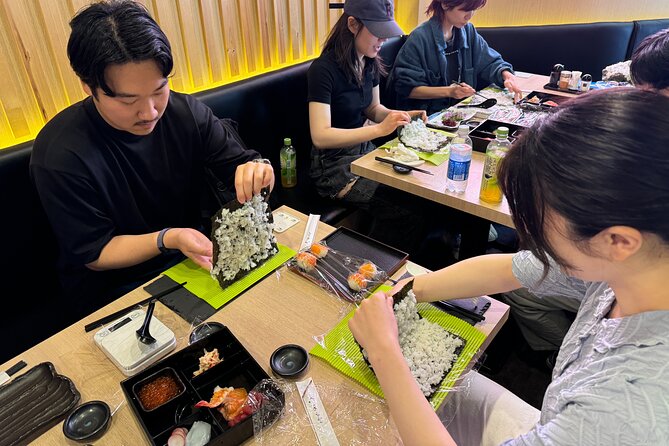
Temari sushi is formed into small rounded pieces. Its shape gives you a second lesson in sushi presentation and texture, and it feels different from rolling maki.
This is a good place to slow down and pay attention to how the rice and topping fit together. The goal is not simply to pile ingredients onto rice. You learn how small changes in pressure and shape affect the final result.
The class description pairs temari with ingredients such as tuna, salmon, and squid. You may also work with colorful flying fish roe. These toppings make the finished food attractive, which is useful if you want a commemorative photo of your plate.
Because the class includes several sushi types, you get a wider taste of the craft than you would from a lesson focused only on rolls. The tradeoff is that each technique receives a short introduction rather than a long practice session.
More cooking classes in Tokyo:
- Ramen & Gyoza Cooking Class in Tokyo with Local Supermarket Visit
★ 5.0 · 823 reviews - Tokyo: Easy Ramen Cooking Experience in Kabukicho, Shinjuku
★ 4.6 · 321 reviews - Ramen and Sushi Cooking Class with Sake Pairing Set in Tokyo
★ 5.0 · 291 reviews - Tokyo: Wagyu and 7 Japanese Dishes Cooking Class
★ 4.9 · 273 reviews
Learning nigiri, the simplest-looking style
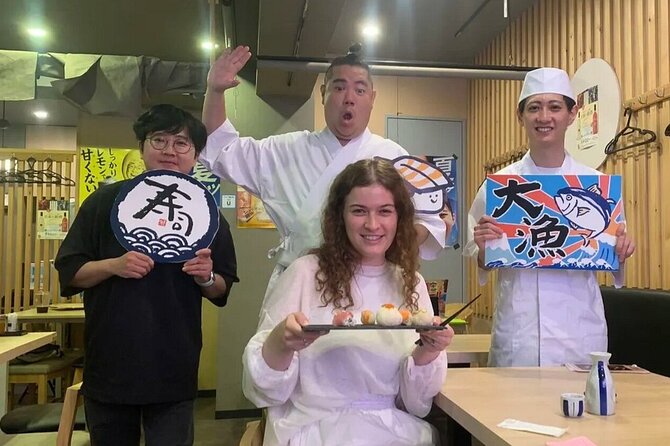
Some class formats include nigiri sushi, while others focus on maki and temari. Nigiri is the hand-shaped style with a topping placed over a small portion of rice.
It looks simple, but the shape and proportions matter. The instructor can show you how to form the rice without crushing it and how to place the fish neatly. This is the style most closely linked with the classic sushi-counter experience, so it adds useful context if you plan to eat at a sushi restaurant during your time in Tokyo.
Check the exact class option when booking if nigiri is the style you most want to learn. The available format may be maki plus temari or maki plus nigiri. That small detail can shape your choice.
Eating your own sushi at the end
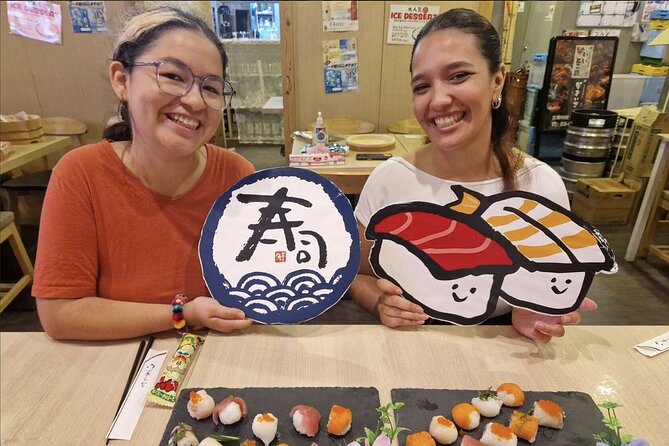
After the preparation, you eat the sushi you have made. The included food is described as maki sushi and temari sushi, with fillings such as tuna, salmon, and squid. If your selected format includes nigiri, you will also have that style to sample.
This final meal is part of the value. You are not paying only to watch a cooking show or take home a recipe. You practice the technique, then see how the finished pieces taste and hold together.
The shared table also gives the class a relaxed social side. A family can compare shapes and fillings, while solo visitors can talk with people from other countries. The experience is built around making and eating, so it does not require you to be an expert cook or a serious sushi fan.
Still, set your expectations correctly. The food portion is a class snack and meal rather than a large restaurant feast. If you have a big appetite, plan another meal later.
Optional sake, shochu, juice, and other drinks
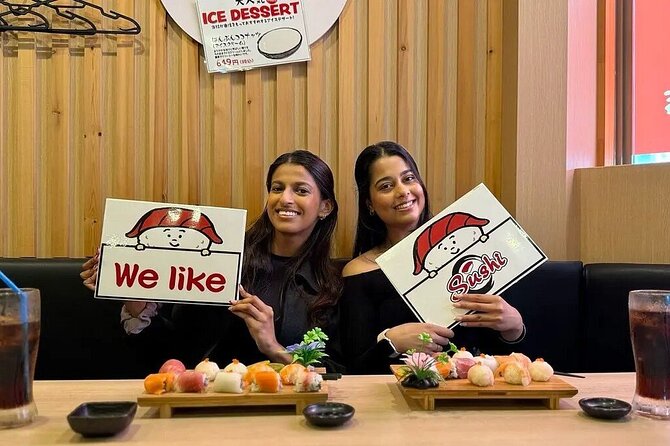
You can add sake or shochu for a more distinctly Japanese drink pairing. Juice and other drinks are also available, but they are not included in the base price. Bottled water is not included either.
Alcohol is limited by Japanese law to people aged 20 and older. You will need valid identification that proves your age. Bring your passport or another accepted form of identification if you plan to order an alcoholic drink, since a photo on your phone may not meet the requirement.
The optional drink is best treated as a small extra, not a reason to choose the class. It can make the meal feel more festive, but the central value comes from the instruction, ingredients, and chance to make the sushi yourself.
Families should simply skip the alcohol and order juice or another nonalcoholic drink. Children from age 4 can participate, so the class can work well for a mixed-age group.
Photos and the practical value of the lesson
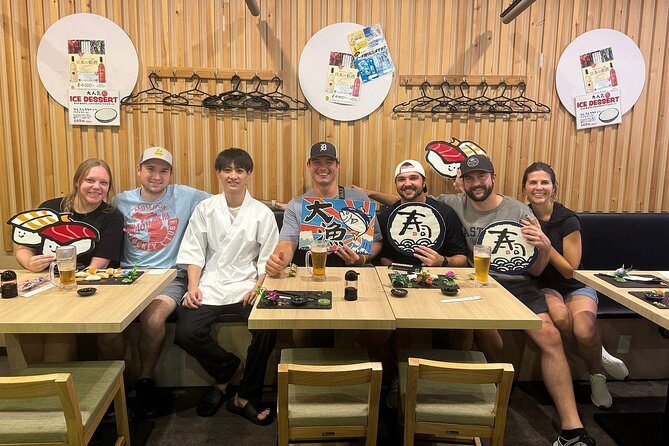
The staff can help take commemorative photos during the activity. That is a useful touch because your finished sushi gives you something visual to remember, especially when the shapes are uneven in the charming way first attempts often are.
The photo element should not be confused with a formal professional photo service. It is part of the classroom help, and the staff can assist with taking pictures while also helping you make sushi.
The stronger long-term benefit is the skill. You learn basic methods for making sushi at home, using techniques that can be repeated with ingredients available outside Japan. You may not reproduce restaurant-level precision after one class, but you will understand the broad process far better than if you had only watched a chef.
I find this type of lesson especially useful early in a Japan trip. Afterward, you will recognize the difference between several common sushi forms and have a better idea of the work behind a neat plate.
Is $59.46 a fair price?
At $59.46 per person, the class sits in the moderate range for a short Tokyo food activity. The price includes instruction, sushi-making ingredients, the meal you prepare, and access to staff who can guide you in English or Chinese.
You are also paying for convenience. You arrive without equipment, receive the ingredients, get practical help, and finish back at the same meeting point. For a first visit to Tokyo, that is easier than trying to arrange a cooking lesson on your own.
The value is strongest if you want three things at once: a cultural introduction, a hands-on activity, and a meal. If you only want to eat excellent sushi, a sushi restaurant may offer better food for the same amount. If you want to make sushi but do not need background or photos, a longer local cooking course might give you more practice.
The class is often booked about 54 days ahead on average. That does not guarantee every date will sell out, but it is a useful sign to book early if your Tokyo schedule is fixed. A maximum of 15 people keeps the session from becoming unwieldy, though the class will not have the quiet feel of a private lesson.
Who will enjoy this class most
This experience fits families, couples, solo visitors, and small groups looking for a short indoor activity. The age minimum of 4 makes it one of the more accessible food classes for families with young children.
It is also a good pick for anyone who wants instruction in English or Chinese. You do not need prior cooking experience, and you do not need to bring supplies.
You may want a different type of activity if you are seeking a full Japanese meal, advanced knife skills, or a long lesson with many dishes. This class has a clear focus: learn a few sushi forms, hear some cultural background, make the food, and eat it within about 90 minutes.
People with seafood allergies should confirm ingredient details before booking. The included foods can contain tuna, salmon, squid, and flying fish roe, and no alternative menu is specified.
Timing, cancellation, and weather notes
The activity lasts about one hour and 30 minutes and ends where it begins. Since the class is in Tokyo, leave room for finding the Shinbashi address and arriving before the start time.
You can cancel free of charge up to 24 hours before the start time for a full refund. Changes or cancellations made less than 24 hours before the activity are not accepted for a refund.
The experience requires suitable weather and a minimum number of participants. If poor weather or low enrollment causes cancellation, you can choose another date or experience, or receive a full refund. Confirmation is normally issued at booking, but reservations made within two days of the activity may receive confirmation within 48 hours, subject to availability.
Should you book the Tokyo sushi class?
Book this class if you want a short, social, hands-on introduction to sushi rather than a formal chef-training course. The English and Chinese instruction, family-friendly age policy, fresh seafood, several sushi styles, and small maximum group make it an easy addition to a Tokyo itinerary.
I would especially choose it for a family with children, a first-time visitor who wants cultural context, or anyone who likes to bring home a practical food skill. The main caution is the limited time and extra cost for drinks. If those points fit your plans, $59.46 buys more than a meal: it gives you a story to tell, photos to keep, and enough technique to try sushi-making again at home.
FAQ
Where does the sushi-making class take place?
The meeting point is S-PLAZA Yayoi II, 2-chome Shinbashi, Minato City, Tokyo 105-0004, Japan.
How long does the experience last?
The activity lasts approximately one hour and 30 minutes.
Does the activity begin and end at the same location?
Yes. The class ends back at the meeting point in Shinbashi.
What languages are available?
Instruction is available in English, Traditional Chinese, and Simplified Chinese.
What kinds of sushi can I learn to make?
You can learn to make maki sushi and temari sushi. Some formats include nigiri sushi instead of temari, so check the option you select when booking.
What ingredients are used?
Ingredients may include tuna, salmon, squid, and flying fish roe. The included food is described as maki sushi and temari sushi, with the exact selection subject to the class format.
Can children join the class?
Yes. Children aged 4 and older are eligible to participate.
Are drinks included in the price?
No. Bottled water is not included, and juice, sake, shochu, and other drinks must be ordered separately.
What is the cancellation policy?
You can cancel at least 24 hours before the start time for a full refund. Cancellations or changes made less than 24 hours before the start time are not refunded. If the class is canceled because of poor weather or an insufficient number of participants, you can choose another date or experience, or receive a full refund.
More Workshops in Tokyo
- Tokyo Shinjuku Chopsticks Making Class
★ 5.0 · 1,763 reviews - Tokyo: Sushi Making Class in a Happi Coat near a Famous Spot
★ 4.9 · 1,377 reviews - Chopstick Making Workshop in Ginza
★ 4.8 · 1,366 reviews - Tokyo Sushi Making Class in Tsukiji with Professional Chef
★ 5.0 · 1,177 reviews
New on our Tokyo list
- From Tokyo: Mount Fuji & Hakone Full Day Private Tour★ 4.9 · 25 reviews
- Tokyo Spectacular View Day-Cruise in 90 Minutes★ 5.0 · 25 reviews
- Real Tokyo Runner Club : Daikoku Car Meet Night Tour with JDM Car★ 5.0 · 25 reviews
- 2.5 Hour-Guided Cycle Tour in the Central Tokyo★ 5.0 · 25 reviews
- Ramen Making from Scratch +Akihabara Tour –Cooking Class★ 5.0 · 25 reviews
- [Self-Drive] Tokyo & Daikoku Custom Car Driving Tour★ 4.9 · 25 reviews
- Tokyo: 2-Hour Night Bike Tour of the City’s Hidden Gems★ 4.9 · 25 reviews
- Buddha, Bamboo & Zen – Bespoke Kamakura Private Walking Tours★ 5.0 · 25 reviews
Japanese Cooking Classes, compared.
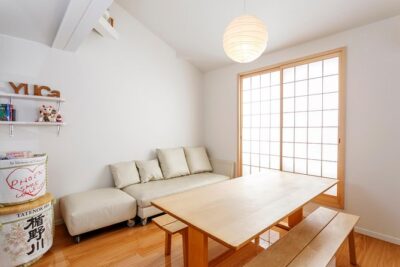
Ramen & Gyoza Cooking Class in Tokyo with Local Supermarket Visit
Read our review →
Easy Ramen Cooking Experience in Kabukicho, Shinjuku
Read our review →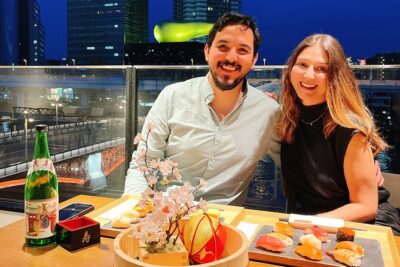
Ramen and Sushi Cooking Class with Sake Pairing Set in Tokyo
Read our review →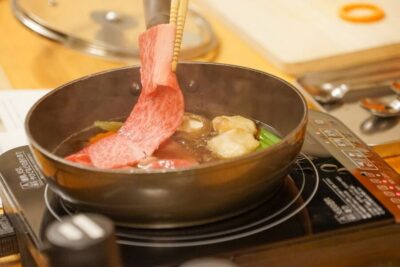
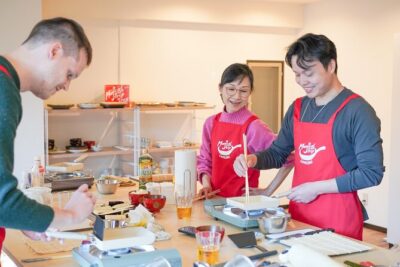
Tokyo Washoku 4-hour Cooking Class: From Market to Table
Read our review →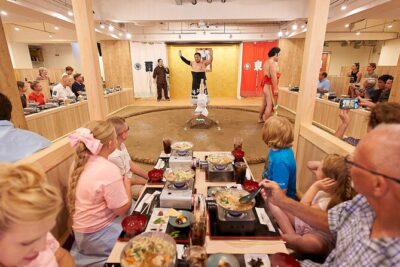
TokyoSumoShow, ChickenHotPot, and Mochi-Pounding by Pro Wrestlers
Read our review →
Professional Ramen & Gyoza with Ramen Chef in a restaurant!
Read our review →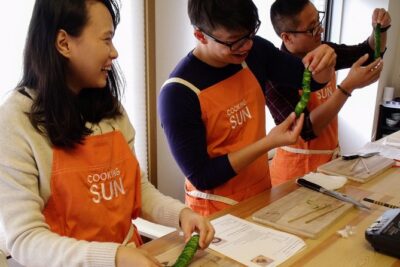
Small-Group Wagyu Beef and 7 Japanese Dishes Tokyo Cooking Class
Read our review →Browse the lists this tour appears in