
Reviewed · JAPANESE COOKING CLASSES
Beauty Vegan Dessert Cooking Class + Sake Kasu Hand Mask Trial!
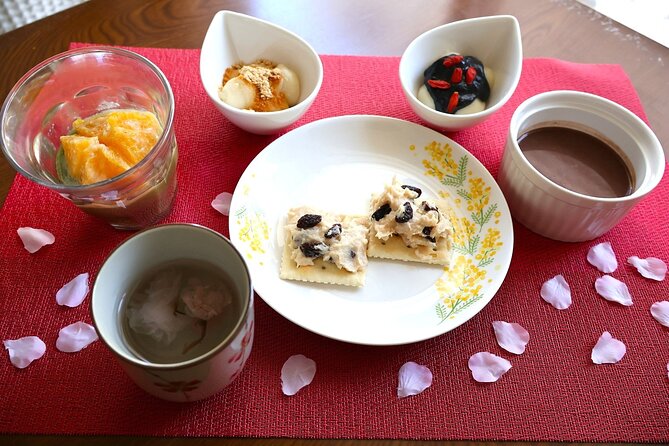
Japanese fermentation is the star here, not a side note. In a small class near Akasaka-Mitsuke Station, you’ll turn amazake and sake kasu into vegan desserts, hear how these ingredients connect to Japanese food and beauty, then finish with a sake kasu hand mask and sakura tea.
I like the small maximum of six people, which should give you room to ask questions, and I like the two-hour format. It fits neatly into a Tokyo afternoon and works well when you want something more hands-on than sightseeing.
The main caution is sake kasu. It contains about 8 percent alcohol, and the hand mask may irritate sensitive skin or open cuts. Tell the host in advance if you need the banana substitute or have food allergies.
In This Review
- Key points to know before booking
- Why this class is different from a standard cooking lesson
- Arriving at Akasaka-Mitsuke for the 2 pm start
- Starting with Japanese fermentation
- Making vegan desserts with amazake and sake kasu
- The sake kasu hand mask and sakura tea
- What the $64.09 price really buys you
- Pairing it with the fermented food lunch class
- Who will get the most from this experience
- Practical booking details and cancellation terms
- Should you book the amazake dessert class?
- FAQ
- Where does the cooking class meet?
- What time does the class start?
- How long does the experience last?
- Where does the class end?
- Is the food vegan?
- What is amazake?
- Does sake kasu contain alcohol?
- Can participants avoid sake kasu?
- Is the hand mask safe for everyone?
- What is included in the price?
- Can I cancel for a full refund?
Key points to know before booking
- Fermented dessert focus: Use amazake and sake kasu in vegan sweets rather than only tasting them.
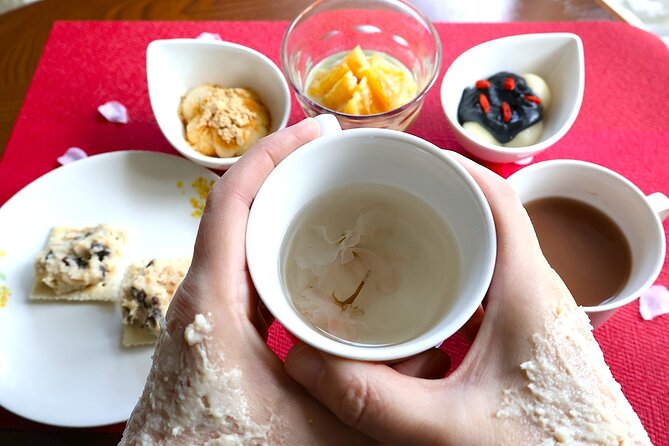
- Beauty-themed finish: Try a sake kasu hand mask and drink sakura tea with the desserts.
- Compact Tokyo setting: Meet at Akasaka-Mitsuke Station, with the venue described as about 10 minutes from Shibuya Station.
- Small class size: The activity accepts no more than six people, a useful detail for hands-on instruction.
- Useful take-home material: You receive a recipe handout and presentation notes, not just a meal.
- Important alcohol note: Sake kasu contains around 8 percent alcohol, but banana can be used for participants under 20 or anyone avoiding alcohol.
Why this class is different from a standard cooking lesson
Many Japanese cooking classes focus on sushi, ramen, tempura, or wagashi. This one takes a narrower path: fermented foods used in desserts and personal care.
That makes it a good choice if you have already seen the usual Tokyo food demonstrations and want a subject with more cultural depth. The class explains fermentation as part of Japanese food traditions, then connects it with health and beauty. You are not simply following a recipe. You are learning why ingredients such as rice koji, amazake, and sake kasu matter.
Amazake is described here as a traditional fermented rice paste or drink that tastes sweet without added sugar. Sake kasu is the nutrient-rich lees left after sake is pressed. It still contains alcohol, so it is not the same as an alcohol-free flavoring.
The class also presents these foods as useful for gut health and glowing skin. Treat those claims as part of the theme rather than a medical promise. The real value is more practical: you get to taste unfamiliar ingredients, see how they work in sweets, and leave with a recipe handout that may help you recreate the idea later.
More sake and whisky sessions:
- Ramen and Sushi Cooking Class with Sake Pairing Set in Tokyo
★ 5.0 · 291 reviews - Sake Tasting Masterclass in Shinjuku (8+ Varieties with a Pro)
★ 5.0 · 271 reviews - Sake Omakase in Tokyo: Guided Tasting by Certified Sommeliers
★ 5.0 · 239 reviews
Arriving at Akasaka-Mitsuke for the 2 pm start
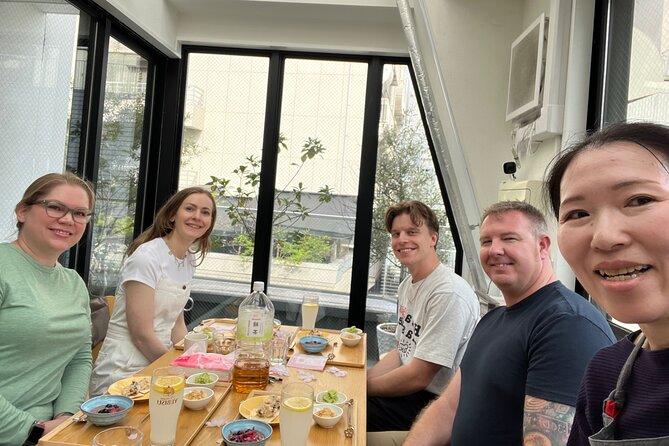
The meeting point is Akasaka-Mitsuke Station at 3-chōme-1-6 Akasaka, Minato City, Tokyo 107-0052. The activity begins at 2 pm and ends back at the meeting point.
The location is convenient for an afternoon plan in central Tokyo. The venue is near public transportation and is described as roughly 10 minutes from Shibuya Station. You will not need to build the class around a long trip across the city, though you should still allow enough time to locate the station exit and meeting point.
The indoor setting is helpful in Tokyo rain or summer heat. There is one odd point to note: the booking terms say the activity requires good weather and may be canceled in poor conditions. If that happens, you are offered another date or a full refund. That policy may matter during a storm, so check the schedule before setting other firm plans around the class.
Because the group is capped at six, the experience should feel closer to a small workshop than a large demonstration. That matters in cooking classes. You can usually see what is happening more clearly, and it is easier to ask about ingredients or technique.
Starting with Japanese fermentation
The class opens with a lecture on fermented foods, Japanese culture, health, and beauty. This teaching section is central to the experience, so it is not the best match for very young children who may struggle with the material. Children aged six and under may not find the lecture suitable.
You will learn about amazake and sake kasu before using them. The distinction between the two is worth paying attention to. Amazake brings sweetness from fermented rice, while sake kasu is a byproduct of sake production with a stronger fermented character and some alcohol.
The class also introduces rice koji, the mold culture used to ferment rice and create several traditional Japanese foods. You may leave with a better sense of how fermentation fits into daily food culture rather than thinking of it as a specialty reserved for restaurants.
The lecture handout includes recipes and presentation material. That is a useful inclusion for a short class because the process may move quickly. You can focus on the lesson without trying to write down every measurement.
Making vegan desserts with amazake and sake kasu
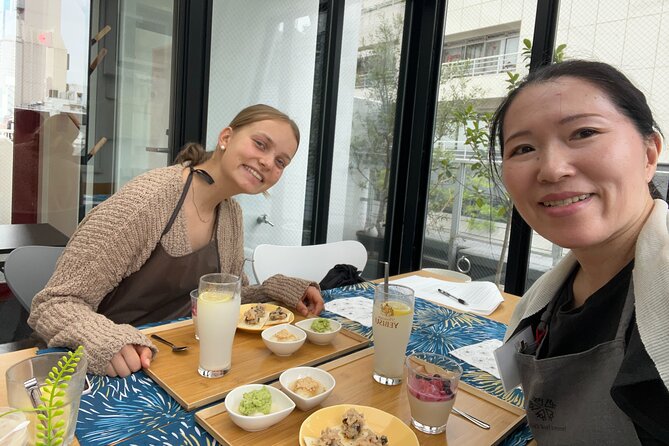
The cooking portion uses vegan ingredients throughout. The exact menu changes by season, so you should not book this expecting one fixed dessert list.
That seasonal approach is sensible for an ingredient-led class, but it also means you cannot count on a particular sweet. The supplied information describes snacks and desserts made together, along with Japanese tea or coffee. The main point is to learn how fermented ingredients can be used in sweet food, not to produce a large meal.
Amazake is especially interesting in desserts because its sweetness comes from fermentation rather than ordinary added sugar. The class lets you see how that flavor behaves in a finished dish. Sake kasu adds another layer, but its alcohol content makes it an ingredient you should discuss with the host before the class if you do not drink.
All food is vegan, which makes the class useful for plant-based visitors who often have to check every Japanese cooking activity carefully. Still, vegan does not automatically mean allergy-free. Send your allergen restrictions in advance so the host can advise you about the ingredients.
This is also a good place to set expectations. You will make and eat small sweets, not prepare a full Japanese lunch. The class suits a light afternoon treat, especially if you plan to have dinner later.
More cooking classes in Tokyo:
- Ramen & Gyoza Cooking Class in Tokyo with Local Supermarket Visit
★ 5.0 · 823 reviews - Tokyo: Easy Ramen Cooking Experience in Kabukicho, Shinjuku
★ 4.6 · 321 reviews - Tokyo: Wagyu and 7 Japanese Dishes Cooking Class
★ 4.9 · 273 reviews - Tokyo Washoku 4-hour Cooking Class: From Market to Table
★ 5.0 · 253 reviews
The sake kasu hand mask and sakura tea
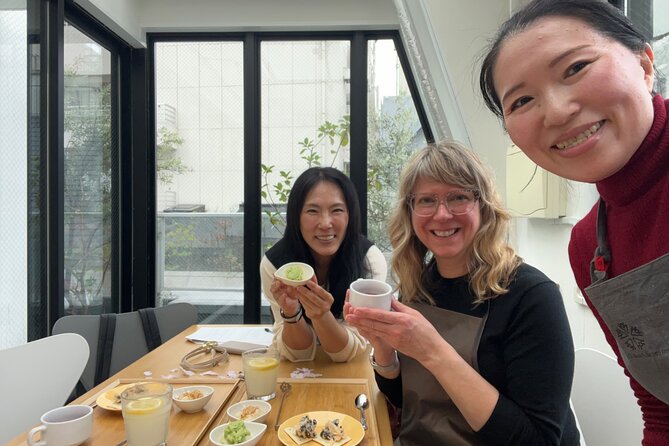
The beauty element is more than a name in the title. You get to try a hand mask made with sake kasu, then enjoy a Japanese beauty afternoon tea with sakura tea.
The hand treatment gives the class a sensory change after the cooking. You have been tasting fermented ingredients, and now you see how sake kasu is used in a cosmetic setting. It is a memorable way to connect food culture with the class’s focus on skin and beauty.
There is an important safety point here. Sake kasu may not suit everyone’s skin, just as certain foods do not suit everyone’s body. It can cause irritation for people with sensitive skin, and you cannot take part in the hand mask if you have cuts or wounds on your hands. The provider does not accept responsibility for problems that result from the trial, so mention skin concerns before booking.
The tea service rounds out the lesson without making it feel like a formal restaurant meal. Sakura tea gives the afternoon a distinctly Japanese touch, while coffee and other Japanese teas are also included. The exact drink selection can vary, so do not treat one specific beverage as guaranteed beyond the stated tea offering.
What the $64.09 price really buys you
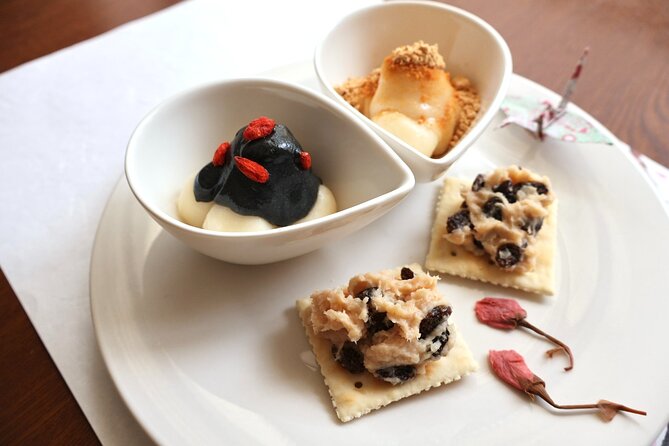
At $64.09 per person, this is not the cheapest way to eat a dessert in Tokyo. It is a reasonable price for a two-hour small-group workshop that includes instruction, ingredients, an apron, desserts, tea or coffee, a recipe handout, and the hand mask trial.
The value improves if you care about learning something you can use at home. The handout gives the class a life beyond the afternoon, and the focus on amazake makes it more distinctive than a basic sweets lesson. The class is also a practical way to understand ingredients that can be difficult to identify when you see them in Japanese shops.
The price is less compelling if you only want a quick tasting or a large quantity of food. This is a teaching experience with small desserts, not a buffet. You are paying for the instructor’s explanation, the guided preparation, and access to a specialist topic.
The class is commonly booked about nine days ahead on average. That is not a rule, but it is a good reason to reserve before your Tokyo schedule fills up, especially since the group maximum is six.
Pairing it with the fermented food lunch class
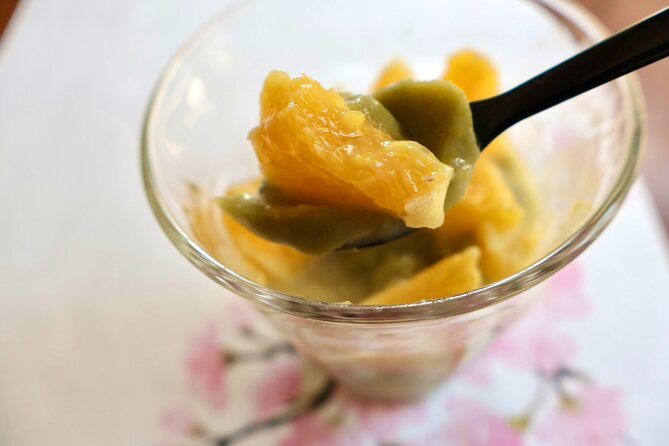
Coji Life Cooking also offers a fermented food lunch class at 11 am. If you take both classes on the same day, you receive a special gift: rice koji amazake, the same type used in the dessert class.
This pairing makes sense for visitors who want a full day built around fermentation. The lunch class can provide the savory side, while the afternoon session shows how amazake and sake kasu work in desserts. Together, the two classes should give you a broader picture of the ingredients.
The drawback is time. You would be committing much of the day to one subject, and you may prefer to use those hours for museums, neighborhoods, or shopping. I would choose both only if fermentation is a real interest, not simply because the gift sounds appealing.
The gift is also useful in a practical way. Rice koji amazake can be hard to find outside Japan, and having the ingredient after the lesson may encourage you to keep experimenting at home.
Who will get the most from this experience
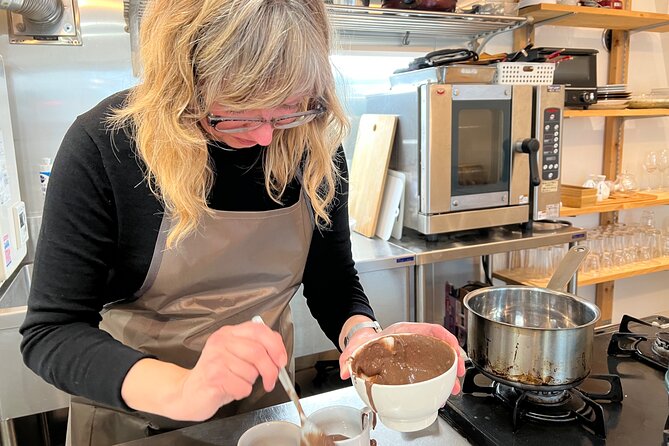
I would recommend the class to plant-based visitors, food-minded couples, solo visitors who enjoy small workshops, and anyone curious about Japanese ingredients beyond soy sauce and miso.
It also suits a return visit to Tokyo. If you have already covered the major food tours, this offers a more focused look at fermentation and its connection to beauty. The short length leaves room for another afternoon activity.
You should think twice if you dislike lectures, have a strong sensitivity to fermented flavors, or want a substantial meal. The cooking is paired with explanation, so the educational part is not optional.
Families should read the age note carefully. The activity may not suit children aged six and under because of the lecture. The small group could be pleasant for older children, but the information provided does not promise a separate child-friendly format.
Anyone under 20, anyone who does not drink, or anyone who simply prefers to avoid alcohol should request the banana option in advance. Do not wait until the class begins, since the host asks you to provide that information ahead of time.
Practical booking details and cancellation terms
You receive confirmation at booking in most cases. If you reserve within three days of the activity, confirmation may arrive within 48 hours and remains subject to availability.
Transportation to the venue is not included. You make your own way to Akasaka-Mitsuke Station, and the class returns there at the end. The mobile ticket is convenient, but I would still save the meeting address and start time where you can access them without relying on a weak signal.
Free cancellation is available up to 24 hours before the 2 pm start time for a full refund. Changes made within 24 hours are not accepted, and late cancellations are not refunded. The same local-time cutoff applies if you are booking from another time zone.
The provider may cancel if the minimum number of participants is not reached. In that case, you are offered another date or experience, or a full refund. Poor weather can also lead to a new date or refund under the stated terms.
Should you book the amazake dessert class?
Book it if you want a small, unusual food lesson rather than another standard Tokyo cooking activity. The strongest reasons are the specialist focus on fermented desserts, the vegan menu, the useful recipe handout, and the chance to try a sake kasu hand mask in the same two-hour visit.
I would also book it if your schedule is tight. A 2 pm start, central location, and two-hour duration make it easy to fit around other plans. The perfect 5 rating from three published ratings is encouraging, and the repeated praise centers on the same things that make the class appealing: a kind teacher, tasty food, and clear learning about amazake and sake lees.
Skip it if you want a full meal, dislike educational talks, or have concerns about alcohol or skin sensitivity that cannot be handled with the banana substitute and by avoiding the mask. For everyone else, the $64.09 fee buys a focused introduction to a less familiar side of Japanese food culture, with enough practical material to continue the experiment after you leave Tokyo.
FAQ
Where does the cooking class meet?
The meeting point is Akasaka-Mitsuke Station at 3-chōme-1-6 Akasaka, Minato City, Tokyo 107-0052, Japan.
What time does the class start?
The class starts at 2 pm.
How long does the experience last?
The activity lasts approximately two hours.
Where does the class end?
The activity ends back at the meeting point.
Is the food vegan?
Yes. All dishes made during the class are vegan.
What is amazake?
Amazake is a traditional fermented rice paste or sweet fermented drink. The class uses it as a naturally sweet ingredient in desserts.
Does sake kasu contain alcohol?
Yes. Sake kasu contains around 8 percent alcohol.
Can participants avoid sake kasu?
Yes. Participants under 20 and people who do not drink alcohol can request a banana option. You should provide that information in advance.
Is the hand mask safe for everyone?
No. Sake kasu may irritate sensitive skin, and the hand mask is not available to anyone with cuts or wounds on their hands.
What is included in the price?
The price includes an apron, the snacks and desserts you make, coffee or tea, a Japanese tea option, a lecture handout with recipes and presentation material, and the sake kasu hand mask trial.
Can I cancel for a full refund?
Yes. You can cancel at least 24 hours before the local start time for a full refund. Cancellations or changes made less than 24 hours before the start are not accepted or refunded.
More Vegan & Vegetarian in Tokyo
- Vegan Friendly Sushi & Okonomiyaki Shibuya Night Foodie Tour
★ 5.0 · 124 reviews - Ramen & Dumpling Cooking in Tokyo with Chef/Vegan possible
★ 5.0 · 107 reviews - Vegan/Vegetarian Ramen and Gyoza by Bentoya cooking
★ 5.0 · 59 reviews - Ramen Making from Scratch with Tokyo Mom(Vegan Option Available)
★ 5.0 · 39 reviews
More Dessert Tours in Tokyo
- Matcha Making Class in Tokyo with Authentic Japanese Sweets Set
★ 5.0 · 744 reviews - Tokyo: Matcha Making Experience with Mochi Sweets in Asakusa
★ 4.9 · 388 reviews - Make Traditional Nerikiri Sweets & Matcha experience in Shibuya
★ 5.0 · 130 reviews - Private Mochi Sweets Making class near Shibuya area
★ 5.0 · 93 reviews
New on our Tokyo list
- Sumi-e Experience in a relaxing green tea shop in Tokyo★ 5.0 · 3 reviews
- Tokyo : Kamikaze Street Drift Ride★ 5.0 · 3 reviews
- Private Zen Meditation in English in Shinjuku, Tokyo★ 5.0 · 3 reviews
- Onsen Spa in Tokyo and Asakusa Bar Hopping with Local Guide★ 5.0 · 3 reviews
- Easy for everyone! Now you can play handmade mini shamisen and show off to everyone! Musical instruments, sweets and live music★ 5.0 · 3 reviews
- Tokyo: Private Tsukiji Street Food & Sake with Local Guide★ 5.0 · 3 reviews
- Mt Fuji Exploration Tour with Free Japanese Kusa Mochi from Tokyo★ 4.5 · 3 reviews
- Tokyo Tsukiji Fish Market Walking and Exploring Hidden Gems Tour★ 5.0 · 3 reviews
Japanese Cooking Classes, compared.
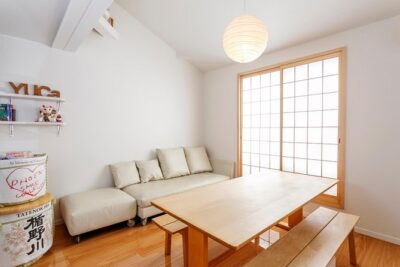
Ramen & Gyoza Cooking Class in Tokyo with Local Supermarket Visit
Read our review →
Easy Ramen Cooking Experience in Kabukicho, Shinjuku
Read our review →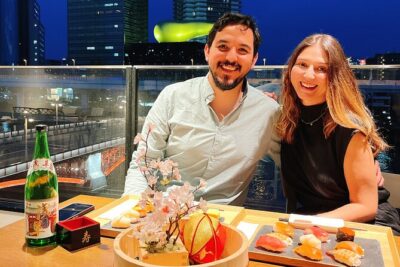
Ramen and Sushi Cooking Class with Sake Pairing Set in Tokyo
Read our review →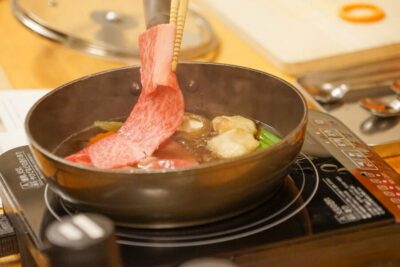
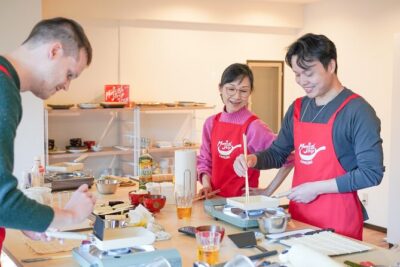
Tokyo Washoku 4-hour Cooking Class: From Market to Table
Read our review →
TokyoSumoShow, ChickenHotPot, and Mochi-Pounding by Pro Wrestlers
Read our review →
Professional Ramen & Gyoza with Ramen Chef in a restaurant!
Read our review →
Small-Group Wagyu Beef and 7 Japanese Dishes Tokyo Cooking Class
Read our review →Browse the lists this tour appears in