
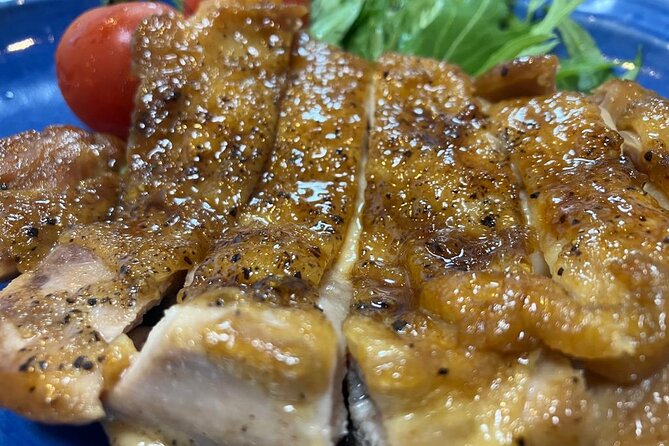
Reviewed · JAPANESE COOKING CLASSES
Japanese Home Cooking Class & Walk in Todoroki Temple Tokyo
The best part of this Tokyo experience is the change of pace. You meet Tomoko at Todoroki Station, walk beside a quiet ravine and temple, then cook in her home instead of sitting in a classroom built for tourists. The setting feels personal, and the small maximum of four people gives you room to ask questions and handle the food yourself.
I like two things right away: you can request a main dish before the class, and Tomoko has adjusted menus for vegetarian, pescatarian, vegan, and allergy needs. I also like that the lesson ends with a proper meal, side dishes, dessert, hot drinks, and alcoholic beverages. The main caution is timing: the experience is advertised at about 2 hours 30 minutes, while the cooking portion is also described as two to three hours, so plan some flexibility.
In This Review
- Key points
- From Todoroki Station to a quieter side of Tokyo
- Todoroki Fudoson, a brief temple visit
- Todoroki Valley and the five-minute pause for nature
- A small home kitchen with Tomoko
- Choosing your Japanese main dish
- What you actually cook and what Tomoko prepares
- Why the recipes add real value
- The value of $110.99
- Who will get the most from this class
- Timing, tickets, and practical planning
- The drawbacks to consider before booking
- Should you book Casa de Tomokita?
- FAQ
- Where does the Japanese cooking class meet?
- Where does the activity finish?
- How long does the experience last?
- What days and times is the class available?
- How many people can join?
- Can I request a special menu?
- What is included in the price?
Key points
- A peaceful start in Todoroki: Visit Todoroki Fudoson and Todoroki Valley before cooking.
- Tomoko’s home kitchen: Learn in a small group capped at four people.
- Choose your main dish: Options can include ramen, gyoza, okonomiyaki, sushi rolls, curry rice, takoyaki, and oyakodon.
- Good for dietary requests: Menus have been adapted for vegetarian, pescatarian, vegan, and allergy needs when arranged ahead.
- A full meal, not just a lesson: Expect side dishes, dessert, bottled water, hot drinks, and alcoholic drinks.
- Recipes to take home: Written recipes help you repeat the dishes after your Japan trip.
From Todoroki Station to a quieter side of Tokyo
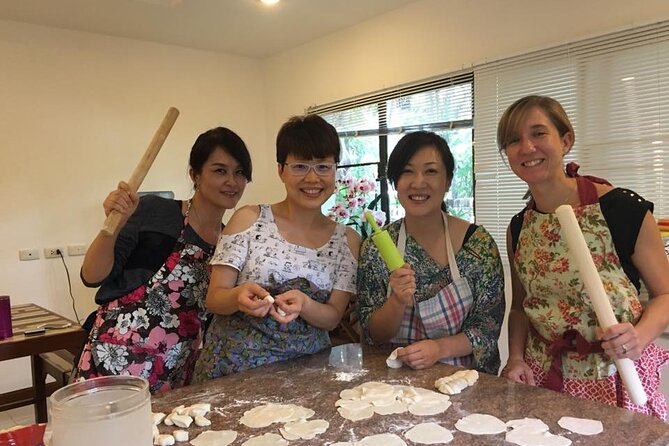
This class begins at Todoroki Station in Setagaya City, a useful detail for anyone tired of Tokyo’s giant rail hubs. The meeting point is listed at 3 Chome-1 Todoroki, and the activity finishes back at the same meeting point.
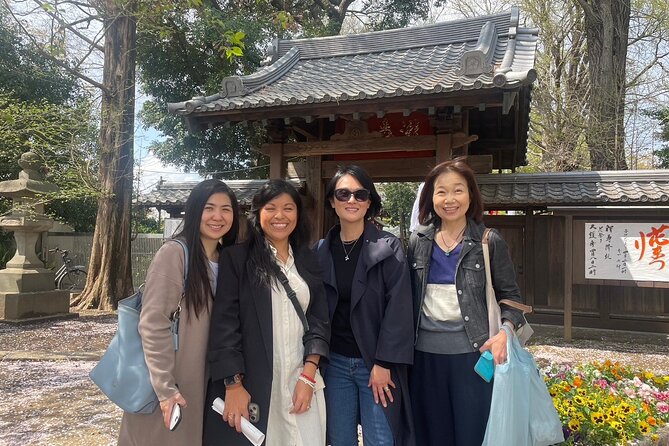
Tomoko meets you at the station and leads the short walk toward the temple and valley. This is more than a transfer to the cooking venue. It gives you a look at a calmer residential part of Tokyo, with a little nature before lunch and a home meal afterward.
The experience runs Monday through Friday from 11 a.m. to 2 p.m. That schedule makes it a natural fit for a weekday lunch, but it will not suit a weekend plan. The class is often reserved well ahead, with bookings averaging about 44 days in advance, so I would not leave it until the final days of your trip.
More cooking classes in Tokyo:
- Ramen & Gyoza Cooking Class in Tokyo with Local Supermarket Visit
★ 5.0 · 823 reviews - Tokyo: Easy Ramen Cooking Experience in Kabukicho, Shinjuku
★ 4.6 · 321 reviews - Ramen and Sushi Cooking Class with Sake Pairing Set in Tokyo
★ 5.0 · 291 reviews
Todoroki Fudoson, a brief temple visit
The first stop is Todoroki Fudoson, a local temple beside the valley. The listed visit lasts about 10 minutes and admission is free.
That short stop works best as an introduction rather than a full temple tour. You have time to look around, take in the setting, and get a feel for the neighborhood. If you want a long visit focused on Buddhist art, temple buildings, or religious history, this class does not provide that. The temple is one part of a larger food and neighborhood experience.
Still, I like the order of the morning. You begin outdoors, then move into the kitchen. The combination gives the class more character than a cooking lesson held in a commercial studio.
Todoroki Valley and the five-minute pause for nature
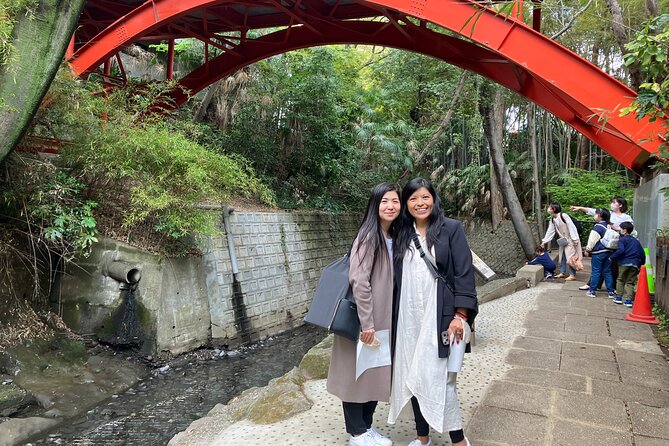
Next comes Todoroki Valley, a well-known green corridor in Tokyo. The scheduled viewing stop is short, about five minutes, though the walk from the station and onward to the home forms a larger part of the route.
Keep your expectations sensible. This is not a dedicated walking tour of the valley, and you will not spend hours following every path. Instead, you get a brief, peaceful break from central Tokyo streets before the food begins. That contrast is one of the strongest reasons to choose this class.
The home is about a five-minute walk from the valley. This makes the route simple, but wear comfortable shoes because the experience includes walking before and after the meal. Tomoko has also taken some groups to the local grocery store and sake shop, though those extra stops should not be treated as guaranteed parts of every booking.
A small home kitchen with Tomoko
The cooking takes place at Casa de Tomokita, Tomoko’s home. The group limit is four people, which matters here. In a large cooking class, you may spend much of the time watching someone else chop, fold, or stir. With four or fewer, you have a better chance to work directly with the ingredients and receive corrections as you go.
Tomoko’s teaching style is practical. She explains not only what to do, but why a step matters. That is useful for dishes such as okonomiyaki, where texture and cooking order affect the result, or gyoza, where folding and pan-frying can seem awkward the first time.
English recipes and instructions are available, and English communication has worked well for international participants. Tomoko also speaks Spanish. Limited Japanese is not presented as a barrier, though you should still tell her about food needs and dish preferences before the class.
The tone is home-based rather than formal. You are cooking and eating at her dining table, and the food is prepared from home-style recipes. If you prefer a polished demonstration with a chef in a professional kitchen, this may feel too informal. If you want a friendly look at everyday Japanese cooking, the setting is a strong match.
More temples and shrines near Tokyo:
- Tokyo: Meiji Shrine, Asakusa, Skytree Bus Tour and Cruise
★ 4.7 · 1,986 reviews - Tokyo: Asakusa Walking Tour with Sensoji Temple Visit
★ 4.8 · 1,583 reviews - Nikko: Kegon Falls, Lake Chuzenji & Toshogu Temple
★ 4.6 · 1,577 reviews - Tokyo: Kamakura & Enoshima Day Trip including Temple Tickets
★ 4.5 · 1,375 reviews
Choosing your Japanese main dish
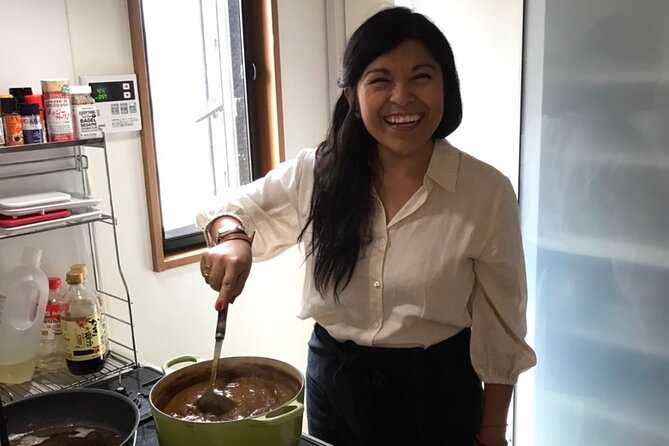
You choose your main course in advance so ingredients can be prepared. Possible choices include:
- Ramen
- Gyoza
- Okonomiyaki
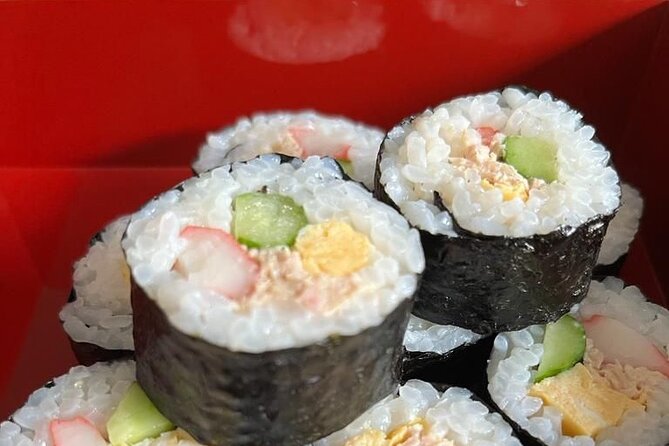
- Sushi rolls
- Curry rice
- Yakisoba
- Takoyaki
- Oyakodon
The exact menu depends on what you request and what Tomoko arranges. Some classes have combined dishes, such as ramen with gyoza or okonomiyaki with yakisoba. Other meals have included gyoza and fried rice, curry rice, kakiage tempura, soy milk soup, and several side dishes.
This advance choice is one of the experience’s most useful features. You are not simply handed a fixed menu that may repeat dishes you have already eaten. You can focus on something you want to make at home, or ask for a dish you have struggled to understand in restaurants.
The reviews supplied for this experience show several examples of tailored cooking. A pescatarian menu was arranged, as were vegan and non-vegan ramen portions. Vegetarian food was prepared even on short notice in one case, though I would not rely on a last-minute request. Allergies were also accommodated when discussed ahead of time.
Ask specifically about your needs when booking. The available information supports several successful adjustments, but it does not promise that every ingredient or request can be handled on every date.
What you actually cook and what Tomoko prepares
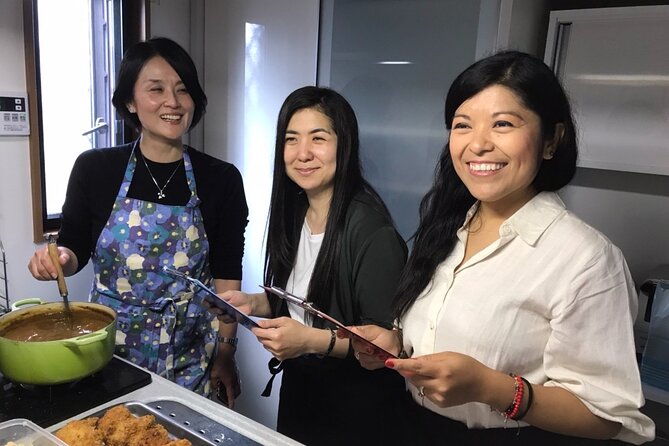
This is a hands-on lesson, but it is not a situation where you prepare every single item from start to finish. Tomoko may prepare some parts in advance so the group can finish within the available time. That is sensible, especially when the meal includes several side dishes and dessert.
You may fold gyoza, mix and cook okonomiyaki, prepare ramen components, work on sushi rolls, or help with other selected dishes. Tomoko gives clear instructions and keeps the meal moving. Some people will want maximum kitchen time, while others will enjoy a balance of cooking, conversation, and eating.
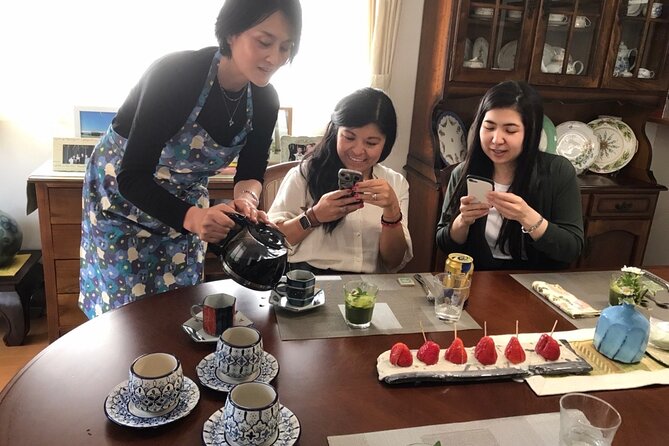
The menu can include far more than the selected main. Side dishes, salads, yakisoba, soup, and dessert have all appeared in the meal format. One class included matcha ice cream with fruit and seasonal toppings. Another included mochi and matcha ice cream. Homemade plum wine has also been served, along with wine in some classes.
You should arrive hungry. The point is not only to learn one recipe, but to sit down to a generous Japanese-style lunch. Bottled water and hot drinks are included, as are alcoholic beverages. The information does not specify a separate drinks menu, so do not book this solely for a particular wine, beer, or plum wine.
Why the recipes add real value
A cooking class earns its price when you can use what you learned later. Tomoko provides recipes in English, including recipes for some of the side dishes and dressings. That gives you something concrete to take home, rather than a pleasant memory that is hard to repeat.
The teaching also covers small choices that cookbooks often skip. Tomoko explains how and why ingredients are handled in certain ways, which can make a difference when you try the dish in a different kitchen. One participant found the okonomiyaki instructions clear enough to recreate the dish after eating it in Japan.
Tomoko has also helped people find Japanese pantry ingredients at a grocery store after class or sent them home with hard-to-find staples. These extras are not listed as a standard inclusion, so treat them as possible personal help rather than a promised part of the schedule.
If you are a beginner, the class should feel approachable. If you already cook, you can use the small group to ask more precise questions about broths, sauces, frying, folding, or substitutions. The class is designed for all skill levels, but advanced cooks should expect home-style instruction rather than professional culinary training.
The value of $110.99
At $110.99 per person, this is not a cheap lunch. The price makes more sense when you count what is included: a temple and valley walk, a private-home setting, hands-on instruction, ingredients, the cooked meal, side dishes, dessert, bottled water, hot drinks, alcoholic beverages, and recipes.
The group limit also changes the calculation. A four-person maximum means you are paying for more direct contact with the host than you would receive in a large studio class. Solo visitors can book too, and the small setting may be more comfortable than joining a large group of strangers.
You are also buying time with a local host who can answer questions about Japanese food and daily life. That personal exchange is hard to price, but it is central to the experience. On the other hand, if your only goal is to eat ramen or okonomiyaki, a restaurant will cost much less and require less time.
I see the best value for people who want both a meal and a skill they can carry home. The price is harder to justify for someone who does not cook, dislikes small home settings, or wants a full guided tour of Todoroki Valley.
Who will get the most from this class
This experience suits beginners, solo visitors, couples, families, honeymooners, and small groups of friends. It also works well for people who want a gentler day away from Tokyo’s busiest districts.
Families should note that the setting is personal and food-centered, not a fast-moving attraction. That can be a plus for children who like making things, though the supplied information does not list a minimum age or child-specific activities.
Solo visitors have a clear advantage here. The four-person limit makes it easier to talk with Tomoko and the other participants, and the activity provides a natural structure for someone traveling alone. You will not simply sit at a counter and watch a demonstration.
This class is also a good choice for anyone with dietary restrictions, provided you contact Tomoko before the visit. The record of menu changes for pescatarian, vegetarian, vegan, and allergy needs is encouraging, but advance planning remains important.
Timing, tickets, and practical planning
The experience uses a mobile ticket, and confirmation is provided when you book. It is near public transportation, with Todoroki Station as both the meeting point and return point.
The timing needs a little attention. The overall duration is listed as approximately 2 hours 30 minutes. The route includes a 10-minute temple stop, a five-minute valley viewing stop, and a cooking session described as about two hours in one place and three hours in another. I would avoid scheduling a tight connection or another fixed activity immediately afterward.
The weekday hours are 11 a.m. to 2 p.m., Monday through Friday. Since the activity ends back at the starting point, you can plan your next stop from Todoroki Station without arranging a separate ride from the home.
Free cancellation is available when you cancel at least 24 hours before the local start time. Changes or cancellations inside that window are not accepted for a refund.
The drawbacks to consider before booking
The short valley visit may disappoint you if you expect a serious nature walk. The temple and ravine are pleasant additions, but the cooking class is the main event.
The menu is flexible, which is helpful, but it also means the exact meal is not fixed in the basic description. Ask what Tomoko can prepare on your date, especially if you have allergies, avoid meat, or want a particular dish.
The home setting will not suit everyone. You may prefer a formal cooking school with individual workstations, a printed timetable, and less conversation. Here, the pace can include shared eating and personal discussion, and the host may do some preparation to keep the meal on track.
Finally, the weekday-only schedule limits flexibility. Book this as a planned part of your Tokyo days, not as a spare activity you can easily fit in on a Saturday.
Should you book Casa de Tomokita?
Book this class if you want to learn dishes you can repeat at home, eat a generous lunch, and see a quieter corner of Tokyo with a warm host. It is especially strong for solo visitors, couples, small families, and anyone who needs a menu adjusted to dietary preferences.
Skip it if you want a long temple tour, a full Todoroki Valley hike, or the lowest-cost way to eat Japanese food. For everyone else, the mix of neighborhood walking, personalized cooking, and a shared home meal gives this experience a clear purpose. Plan ahead, arrive hungry, and allow more time than the shortest duration suggests.
FAQ
Where does the Japanese cooking class meet?
The meeting point is Todoroki Station at 3 Chome-1 Todoroki, Setagaya City, Tokyo 158-0082, Japan.
Where does the activity finish?
The activity ends back at the Todoroki Station meeting point.
How long does the experience last?
The overall activity is listed as approximately 2 hours 30 minutes. The cooking portion is described as about two hours in one itinerary detail and as a three-hour cooking class in another, so allow extra flexibility.
What days and times is the class available?
It is available Monday through Friday from 11 a.m. to 2 p.m., for the listed operating period from May 1, 2023, through February 4, 2027.
How many people can join?
The activity has a maximum of four travelers.
Can I request a special menu?
Yes. Menus have been adjusted for vegetarian, pescatarian, vegan, and allergy needs. You should discuss these requirements before the class.
What is included in the price?
The price includes the food, bottled water, hot drinks, alcoholic beverages, and the hands-on cooking class. Recipes are also provided for the dishes prepared.
More Walking Tours in Tokyo
- Tokyo Tsukiji Fish Market Food and Culture Walking Tour
★ 5.0 · 3,184 reviews - Tokyo: Imperial Palace and Shogun Historical Walking Tour
★ 5.0 · 2,251 reviews - Tokyo: Shinjuku Local Bar and Izakaya Guided Walking Tour
★ 4.9 · 1,794 reviews - Tokyo: Tsukiji Fish Market Food and Walking tour
★ 5.0 · 1,724 reviews
More Workshops in Tokyo
- Sushi Making Tokyo Roll and Authentic Japanese Sushi Class
★ 5.0 · 3,971 reviews - Tokyo: Roll and Authentic Sushi Making Class in Asakusa
★ 4.9 · 1,957 reviews - Tokyo Shinjuku Chopsticks Making Class
★ 5.0 · 1,763 reviews - Tokyo: Sushi Making Class in a Happi Coat near a Famous Spot
★ 4.9 · 1,377 reviews
New on our Tokyo list
- From Tokyo: Mount Fuji & Hakone Full Day Private Tour★ 4.9 · 25 reviews
- Tokyo Spectacular View Day-Cruise in 90 Minutes★ 5.0 · 25 reviews
- Real Tokyo Runner Club : Daikoku Car Meet Night Tour with JDM Car★ 5.0 · 25 reviews
- 2.5 Hour-Guided Cycle Tour in the Central Tokyo★ 5.0 · 25 reviews
- Ramen Making from Scratch +Akihabara Tour –Cooking Class★ 5.0 · 25 reviews
- [Self-Drive] Tokyo & Daikoku Custom Car Driving Tour★ 4.9 · 25 reviews
- Tokyo: 2-Hour Night Bike Tour of the City’s Hidden Gems★ 4.9 · 25 reviews
- Samurai themed Entertainment show in Shinjuku★ 4.5 · 25 reviews
Japanese Cooking Classes, compared.
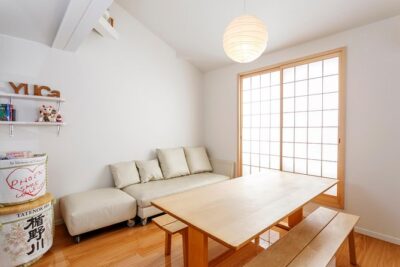
Ramen & Gyoza Cooking Class in Tokyo with Local Supermarket Visit
Read our review →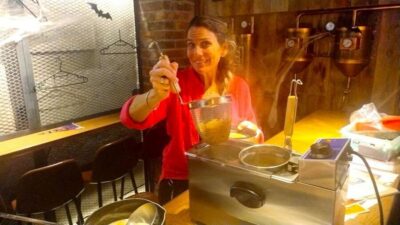
Easy Ramen Cooking Experience in Kabukicho, Shinjuku
Read our review →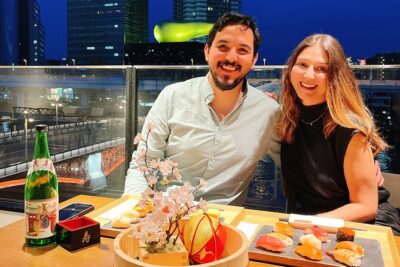
Ramen and Sushi Cooking Class with Sake Pairing Set in Tokyo
Read our review →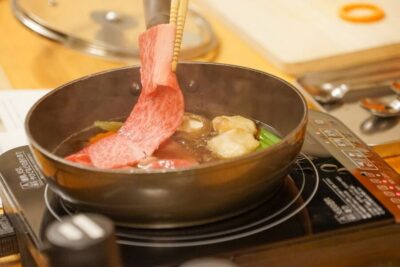
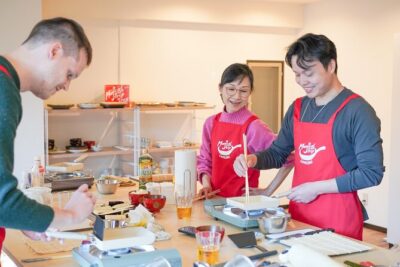
Tokyo Washoku 4-hour Cooking Class: From Market to Table
Read our review →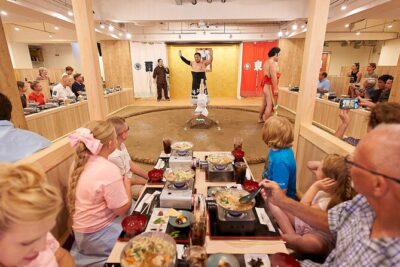
TokyoSumoShow, ChickenHotPot, and Mochi-Pounding by Pro Wrestlers
Read our review →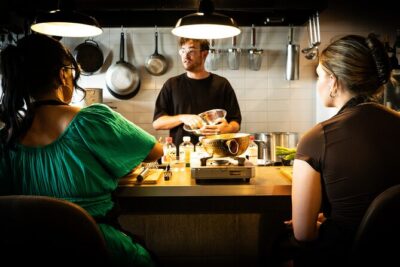
Professional Ramen & Gyoza with Ramen Chef in a restaurant!
Read our review →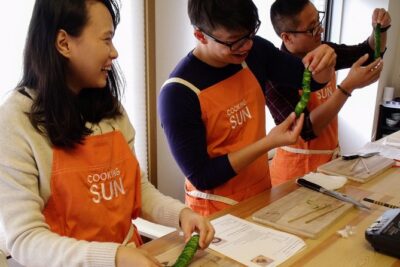
Small-Group Wagyu Beef and 7 Japanese Dishes Tokyo Cooking Class
Read our review →Browse the lists this tour appears in