
Reviewed · JAPANESE COOKING CLASSES
Tokyo: Ramen, Gyoza and Veggie Side Dish Class Near Yanaka
The best part of this Tokyo cooking class is its focus on food you can actually make again at home. Near Yanaka, Yuki guides you through ramen broth, chashu pork, gyoza filling and folding, and a seasonal vegetable dish before you sit down to eat.
I like the small, private format, which gives you more room to ask questions and work with the ingredients. I also like the practical menu: ramen and gyoza are familiar Japanese favorites, but the class explains the home-cooking methods behind them. The main catch is that the noodles and gyoza wrappers are store-bought, and the class is not suitable for a gluten-free diet.
In This Review
- Key points to know before booking
- A practical introduction to Japanese home cooking
- Arriving near Nishi Nippori at 10:00 a.m.
- The 10:15 introduction to Japanese home cooking
- Building ramen broth and preparing the toppings
- Folding and frying Japanese gyoza
- Seasonal vegetables and Japanese table setting
- What the two-and-a-half-hour schedule feels like
- Vegetarian needs and other food restrictions
- Is $110.56 a fair price?
- Who should book the Yuzu Washoku Studio class?
- Booking, cancellation, and final advice
- FAQ
- Where does the ramen and gyoza class meet?
- What time does the class begin?
- How long does the experience last?
- How far is the studio from a train station?
- What food will I prepare?
- Are the ramen noodles and gyoza wrappers made from scratch?
- Can the class accommodate vegetarians?
- Is the class suitable for someone on a gluten-free diet?
- What is included in the price?
Key points to know before booking
- Yuki leads a private, hands-on class for your own group, rather than a large shared session.
- The ramen soup and dashi broth are made from scratch, while the noodles and gyoza wrappers are pre-made.
- You prepare gyoza filling and folding, then pan-fry the dumplings until the bottoms turn crisp and golden.
- Vegetarian adaptations are available, and past menus have included vegan ramen, vegetable gyoza, and sesame-dressed vegetables.
- The class runs about two and a half hours, beginning at 10:00 a.m. near JR Nishi Nippori Station.
- The $110.56 price includes lunch, green tea, water, an apron, and towels, but not transportation.
A practical introduction to Japanese home cooking
This is not a restaurant demonstration where you watch someone else do the work. You prepare the meal yourself, with Yuki guiding you through each stage. That makes the class useful long after your Tokyo visit, since the recipes rely on methods and ingredients that are intended to be repeated in a home kitchen.
The food also gives you a good look at everyday Japanese cooking. Ramen often gets treated as a quick bowl from a neighborhood shop, but here you learn how broth, toppings, and table setting fit together. Gyoza adds a different kind of task, with hand-mixed filling, careful folding, and a hot pan that gives the dumplings their crisp base.
Yuki’s teaching style is a major part of the experience. Her classes are described as engaging, friendly, and full of laughter. One particularly useful detail is her flexibility with dietary needs: a couple who did not eat meat received modified dishes, including vegan ramen, vegetable dumplings, and sesame-dressed vegetables.
That said, you should book this for home-style cooking, not for a formal noodle-making workshop. The class does not make egg noodles or gyoza wrappers from flour. You do learn to prepare the dashi broth and ramen soup from the beginning, which is the more useful lesson for many home cooks, but anyone expecting a full dough-making session should know the difference.
More old-Tokyo backstreet walks:
- The Old Quarter of Tokyo – Yanaka Walking Tour
★ 4.5 · 590 reviews - Yanaka Walking Tour: Historic and Traditional District of Tokyo
★ 5.0 · 530 reviews - Tokyo: Old Quarter Yanaka Walking Tour
★ 4.8 · 406 reviews
Arriving near Nishi Nippori at 10:00 a.m.
The meeting point is at 1-chōme-58-4 Nishinippori in Arakawa City, near the Yanaka area. The studio is about a 10-minute walk from JR Nishi Nippori Station and is close to public transportation, so you can reach it without arranging a hotel transfer.
I would allow enough time to find the exact address, especially if you are still getting used to Tokyo’s numbered streets and station exits. The class begins at 10:00 a.m., and the activity both starts and ends at the studio.
The location works well as part of a morning around Yanaka. You will not be touring the neighborhood as part of the class, but the opening talk includes a short guide to Tokyo along with an introduction to Japanese home cooking. That gives you a little local context before you start chopping and folding.
The experience is listed as a private activity for your group only. That matters if you are traveling as a couple, family, or small party and want to cook at your own pace. It also makes the class a good fit for solo visitors who prefer direct instruction instead of trying to keep up with a large group.
The 10:15 introduction to Japanese home cooking
After meeting at 10:00, the class begins with a short lecture from about 10:15 to 10:30. This section covers Japanese home cooking and includes a Tokyo guide.
It is brief, but it sets up the meal well. You get some context for the dishes before handling the ingredients, and you can ask Yuki about the food as the cooking begins. The class is not built around a long cultural talk, so most of your time goes toward practical work.
Yuki’s strength is her warm, personal teaching. Her approach has helped make the class feel less like a strict lesson and more like cooking with an encouraging host. If you enjoy asking questions, laughing through small mistakes, and learning by doing, this part should feel natural.
Aprons and towels are provided, which is a small but useful touch. You can focus on the food instead of worrying about splashes on your clothes or bringing your own kitchen supplies.
Building ramen broth and preparing the toppings
The ramen section is the heart of the class. You learn how to make dashi broth and ramen soup from simple ingredients and techniques that can be repeated at home.
This is valuable because the soup is what gives ramen its identity. Instead of simply boiling noodles and adding a packet, you learn how the broth is built and how the toppings finish the bowl. The class also covers chashu pork, a traditional ramen topping that adds flavor and substance.
The menu is described as home-style ramen, so the aim is not a restaurant kitchen performance. You are learning an approachable version that fits the cooking methods of an ordinary home. That makes the class more practical for someone who wants to recreate the meal after returning home.
You should also keep the noodle detail in mind. The noodles are not made from scratch, so the lesson concentrates on broth, soup, toppings, and assembly. For me, that is a sensible trade-off in a two-and-a-half-hour class, but it will not satisfy someone specifically looking to master fresh noodle dough.
More ramen stops:
- Eat and Drink Like a Local: Tokyo Ueno Food Tour-Taverns&Ramen
★ 5.0 · 957 reviews - Ramen & Gyoza Cooking Class in Tokyo with Local Supermarket Visit
★ 5.0 · 823 reviews - Tokyo: Ramen Tasting Tour with 6 Mini Bowls of Ramen
★ 4.9 · 432 reviews - Tokyo: Easy Ramen Cooking Experience in Kabukicho, Shinjuku
★ 4.6 · 321 reviews
Folding and frying Japanese gyoza
The gyoza lesson gives the class a more tactile rhythm. You prepare a handmade filling, place it in the wrappers, and learn how to fold the dumplings.
Folding is one of those cooking skills that looks easy until you try it. Yuki’s guidance matters here, since small changes in filling quantity and wrapper placement affect how neatly the dumplings close. You get repeated practice rather than simply watching a single example.
The final step is pan-frying. The goal is a crispy, golden bottom with a juicy filling inside. This contrast is what makes gyoza so satisfying, and it also gives you a clear result to judge when the dumplings come out of the pan.
The wrappers are supplied rather than made from scratch. Again, that keeps the class focused on the filling, folding, and cooking technique. If you want a lesson that teaches every element from flour to finished dumpling, this is not that class. If you want to learn a reliable gyoza method for your own kitchen, it covers the most useful steps.
Seasonal vegetables and Japanese table setting
The meal includes a seasonal vegetable side dish, with the vegetables changing during the year. The exact dish is not fixed, so you should expect the side to depend on what is in season.
Past adaptations have included green beans and sesame-dressed vegetables. This adds a lighter element to a meal that already includes ramen and dumplings, and it shows how a Japanese home meal can balance a main dish with a simple vegetable preparation.
You also learn the basics of Japanese table setting. This may sound minor beside ramen and gyoza, but it helps explain how the separate parts of the meal are arranged and served. It is a useful detail if you enjoy learning about daily customs along with recipes.
The class ends with lunch at the studio. You eat the ramen, gyoza, and seasonal side dish you prepared, with green tea and water. That shared meal gives you time to enjoy the results instead of rushing straight from the stove back into Tokyo’s streets.
What the two-and-a-half-hour schedule feels like
The listed timing runs from 10:00 a.m. until about 12:30 p.m. The first 15 minutes are for meeting and settling in, followed by the short lecture. The remaining two hours are devoted to cooking and tasting.
That is a good length for this menu. There are enough separate tasks to keep you busy, but the class does not take up an entire day of sightseeing. You can plan it as a morning activity and still have much of the afternoon for Yanaka, Ueno, or another part of Tokyo.
The schedule may feel active rather than leisurely. You are making broth, preparing toppings, folding dumplings, frying them, and assembling lunch. If you prefer a slow demonstration with lots of free time, choose a less hands-on food experience. If you like practical work, the pace should be satisfying.
The timing also makes breakfast worth considering. Since you will eat a full ramen and gyoza lunch around noon, a very large breakfast may leave you too full to enjoy what you prepare.
Vegetarian needs and other food restrictions
The menu can be adapted for vegetarians. This is not just a theoretical option: Yuki has adjusted the dishes for people who do not eat meat, including vegan ramen and vegetable gyoza.
You should state your dietary needs when booking and confirm them before the class. The available information says the menu is not suitable for a gluten-free diet, so you should not book this experience if avoiding gluten is essential.
The seasonal vegetable dish will change throughout the year. That adds variety, but it also means you cannot select a particular vegetable dish in advance from the information provided.
For everyone else, the standard meal includes home-style ramen, gyoza, a seasonal vegetable side dish, green tea, and water. Aprons and towels are included. Hotel pickup and drop-off are not included, so you make your own way to the studio.
Is $110.56 a fair price?
At $110.56 per person, this is not a bargain lunch. You are paying for more than the cost of ramen and dumplings, though. The price includes about two and a half hours of personal instruction, the ingredients, the meal, green tea, water, and use of an apron and towels.
The private format improves the value if you are traveling with a partner or family. You are not paying simply to watch a large class from the back of a room. You get direct guidance from Yuki, hands-on practice, and recipes you can use later.
The value is also stronger if you care about learning technique. A restaurant meal may cost far less, but it will not teach you how to make dashi, season ramen soup, prepare chashu, fold gyoza, or achieve a crisp dumpling base.
For a solo visitor, the price is harder to judge. The private setting offers personal attention, but you may find it more expensive than a shared cooking class. I would choose this one if you want a calm, tailored lesson and consider the recipes a lasting souvenir.
The experience is often booked well ahead, with an average booking time of 39 days in advance. If the date matters to your plans, booking early is sensible.
Who should book the Yuzu Washoku Studio class?
I would recommend this class to couples, families, solo visitors who enjoy cooking, and anyone who wants a Japanese food experience with a useful result. It is especially good for people who like to take skills home rather than collect only photographs and restaurant recommendations.
It also suits mixed-interest groups. One person can enjoy Japanese food culture, another can focus on cooking technique, and everyone can share the meal at the end. The private setting should make it easier for children or beginners to take part, though the supplied information does not give a minimum age.
You may want to skip it if you are gluten-free, if you want to make noodles and wrappers from scratch, or if you prefer a quick food tasting with no preparation. The class takes time and attention, and you are expected to participate.
Yuki’s experience with vegetarian adjustments makes the class a stronger option for meat-free diners than the standard menu alone suggests. Still, tell the studio about your needs before arrival rather than assuming every ingredient can be changed.
Booking, cancellation, and final advice
You receive confirmation at booking, and the experience offers free cancellation up to 24 hours before the start time for a full refund. Changes or cancellations inside that 24-hour window are not accepted for a refund.
The activity may be canceled if the minimum number of participants is not met or if poor weather affects the operation. In those cases, you are offered another date or experience, or a full refund.
I would book this class if you want to understand the everyday cooking behind two of Japan’s best-known dishes. The strongest reasons are Yuki’s friendly instruction, the private hands-on format, the useful broth and gyoza techniques, and the chance to eat a complete meal you helped prepare.
I would not book it for a full noodle-making course or for gluten-free cooking. For everyone else, the price is reasonable when you value instruction as much as lunch, and the near-Yanaka location makes it an easy morning addition to a Tokyo visit.
FAQ
Where does the ramen and gyoza class meet?
The class meets at YUZU WASHOKU STUDIO at 1-chōme-58-4 Nishinippori, Arakawa City, Tokyo 116-0013, Japan.
What time does the class begin?
The activity starts at 10:00 a.m.
How long does the experience last?
The class lasts approximately two hours and 30 minutes. The cooking and tasting portion runs until about 12:30 p.m.
How far is the studio from a train station?
The studio is about 10 minutes from JR Nishi Nippori Station and is near public transportation.
What food will I prepare?
You will prepare home-style ramen, gyoza, and a seasonal vegetable side dish. Green tea and water are also included.
Are the ramen noodles and gyoza wrappers made from scratch?
No. The class uses prepared ramen noodles and gyoza wrappers. You will make the dashi broth and ramen soup from scratch and prepare the gyoza filling and folds.
Can the class accommodate vegetarians?
Yes. The menu can be adapted for vegetarians, and vegan ramen, vegetable gyoza, and sesame-dressed vegetables have been prepared for meat-free diners.
Is the class suitable for someone on a gluten-free diet?
No. The experience is not suitable for a gluten-free diet.
What is included in the price?
The price includes the ramen and gyoza lunch, seasonal vegetable side dish, green tea, water, an apron, and towels. Hotel pickup and drop-off are not included.
More Workshops in Tokyo
- Sushi Making Tokyo Roll and Authentic Japanese Sushi Class
★ 5.0 · 3,971 reviews - Tokyo: Roll and Authentic Sushi Making Class in Asakusa
★ 4.9 · 1,957 reviews - Tokyo Shinjuku Chopsticks Making Class
★ 5.0 · 1,763 reviews - Tokyo: Sushi Making Class in a Happi Coat near a Famous Spot
★ 4.9 · 1,377 reviews
More Cooking Classes in Tokyo
- Ramen and Sushi Cooking Class with Sake Pairing Set in Tokyo
★ 5.0 · 291 reviews - Tokyo: Wagyu and 7 Japanese Dishes Cooking Class
★ 4.9 · 273 reviews - Tokyo Washoku 4-hour Cooking Class: From Market to Table
★ 5.0 · 253 reviews - TokyoSumoShow, ChickenHotPot, and Mochi-Pounding by Pro Wrestlers
★ 5.0 · 226 reviews
New on our Tokyo list
- Sumi-e Experience in a relaxing green tea shop in Tokyo★ 5.0 · 3 reviews
- Tokyo : Kamikaze Street Drift Ride★ 5.0 · 3 reviews
- Private Zen Meditation in English in Shinjuku, Tokyo★ 5.0 · 3 reviews
- Onsen Spa in Tokyo and Asakusa Bar Hopping with Local Guide★ 5.0 · 3 reviews
- Easy for everyone! Now you can play handmade mini shamisen and show off to everyone! Musical instruments, sweets and live music★ 5.0 · 3 reviews
- Tokyo: Private Tsukiji Street Food & Sake with Local Guide★ 5.0 · 3 reviews
- Mt Fuji Exploration Tour with Free Japanese Kusa Mochi from Tokyo★ 4.5 · 3 reviews
- Tokyo Tsukiji Fish Market Walking and Exploring Hidden Gems Tour★ 5.0 · 3 reviews
Japanese Cooking Classes, compared.
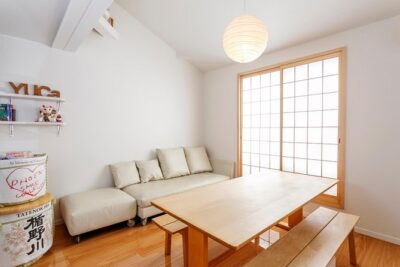
Ramen & Gyoza Cooking Class in Tokyo with Local Supermarket Visit
Read our review →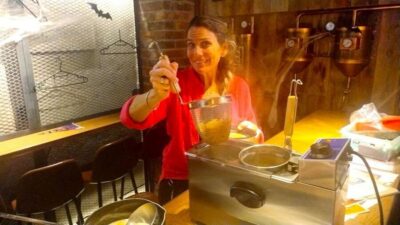
Easy Ramen Cooking Experience in Kabukicho, Shinjuku
Read our review →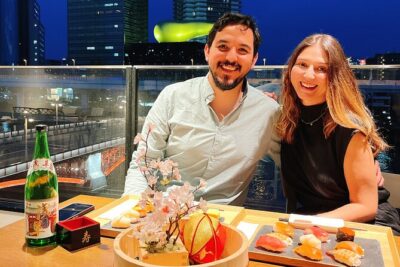
Ramen and Sushi Cooking Class with Sake Pairing Set in Tokyo
Read our review →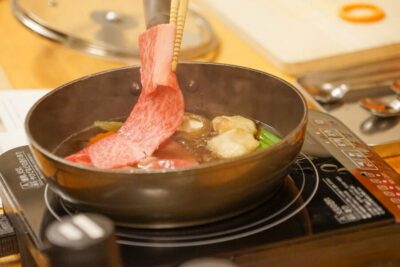
Tokyo Washoku 4-hour Cooking Class: From Market to Table
Read our review →
TokyoSumoShow, ChickenHotPot, and Mochi-Pounding by Pro Wrestlers
Read our review →
Professional Ramen & Gyoza with Ramen Chef in a restaurant!
Read our review →
Small-Group Wagyu Beef and 7 Japanese Dishes Tokyo Cooking Class
Read our review →Browse the lists this tour appears in